Draft strategic policy guidance for electricity networks growth
The UK government has published draft strategic policy guidance for electricity networks, putting “growth” at the centre of the mission while folding in social and environmental considerations for infrastructure development.
Harrison Lockwood, Lead Columnist on Systemic Justice & Climate Action·updated July 08, 2026
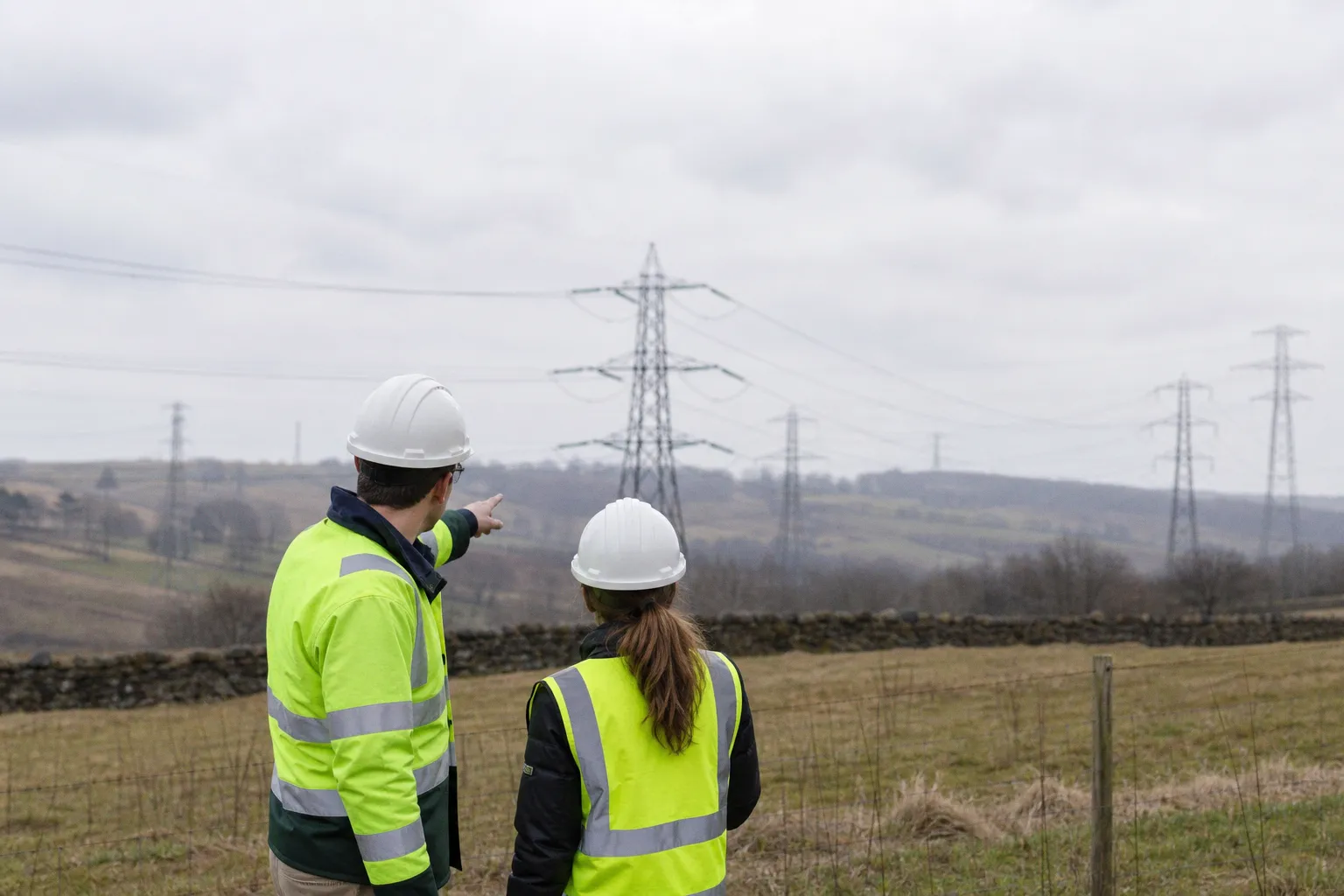
The grid is where climate promises hit material conditions
The guidance comes through GOV.UK and addresses electricity networks, the infrastructure layer that every serious climate transition must pass through. Heat, transport, storage, industry — none of it scales without wires, connections, planning and regulatory pressure. The state can announce targets all day; if the network framework rewards caution, underbuilds capacity, or treats social and environmental obligations as decorative, the transition stalls.
The draft frames growth as a mission. That phrasing matters because growth, in British policy language, often arrives as a solvent: it can dissolve public-interest constraints unless those constraints are nailed into the machinery. Here, the government also points to social and environmental considerations. That gives campaigners, local authorities, energy users and climate groups a concrete place to apply pressure: not on the rhetoric, but on the rules that shape what the electricity regulator must consider.
This is the arena where austerity-by-infrastructure often hides. If network expansion gets treated as a narrow investment pipeline, costs and disruption land unevenly while benefits flow upward. If social and environmental duties carry real weight, the buildout can at least be judged against public outcomes rather than just delivery speed.
Ofgem’s role is being re-scripted, not abolished
The legal architecture matters here. The source text sets out that Section 3B of the Electricity Act 1989 allows the Secretary of State to issue guidance on how the Gas and Electricity Markets Authority contributes to social or environmental policies. The Authority must “have regard” to that guidance when carrying out its functions.
The Energy Act 2013 created the Strategy and Policy Statement as the main route for government to communicate strategic priorities for energy policy in Great Britain. That mechanism was intended to replace earlier social and environmental guidance, although the power to issue that guidance remains. In plain language: ministers still have levers, and they are choosing to pull one now.
The document also sits alongside a wider institutional shift. The government says further reform of the Authority’s legislative framework will be set out in the Energy Independence Bill and will come into force if and when that bill receives Royal Assent. It also refers to a recent Ofgem review that recommended streamlining the Authority’s duties into a clearer strategic framework, including two additional principal objectives on an equal footing: facilitating net zero and promoting economic growth.
That pairing is where the fight lives. “Net zero” and “economic growth” can reinforce each other in a planned transition. They can also collide when growth means protecting incumbent returns, accelerating extraction elsewhere, or pushing infrastructure through communities without democratic leverage. Guidance does not settle that contradiction. It exposes it.
What to watch now: wording, duties, and who pays
For readers tracking climate policy, the practical task is not to applaud the publication. It is to interrogate the hierarchy inside it. Does social and environmental guidance merely ask the regulator to notice harms, or does it force decisions to change? Does growth mean faster network development for electrification, storage and resilience, or does it become another broad mandate that industry actors can bend toward their own balance sheets?
The battery and storage economy is already becoming central to how electricity systems manage demand, mobility and distributed power; the wider shift is visible in the growth of the secondary battery market. But storage does not remove the politics from the grid. It makes the politics sharper: who gets connection priority, who carries network costs, who benefits from flexibility, and who gets told to wait.
The government has put draft guidance into the field. Now the scrutiny has to move from slogans to enforceable consequences. “Have regard” is not the same as “must deliver.” If ministers want electricity networks to carry a climate transition rather than ration it, the final framework must make social and environmental outcomes harder to ignore than investor comfort. That is the minimum standard. Anything less is managed scarcity dressed up as strategy.