US drives rise in global emissions as utilities turn back to coal, report shows
Global emissions were supposed to be falling. They're not — and Reuters reports the United States is now the engine driving them back up.
Harrison Lockwood, Lead Columnist on Systemic Justice & Climate Action·updated July 07, 2026
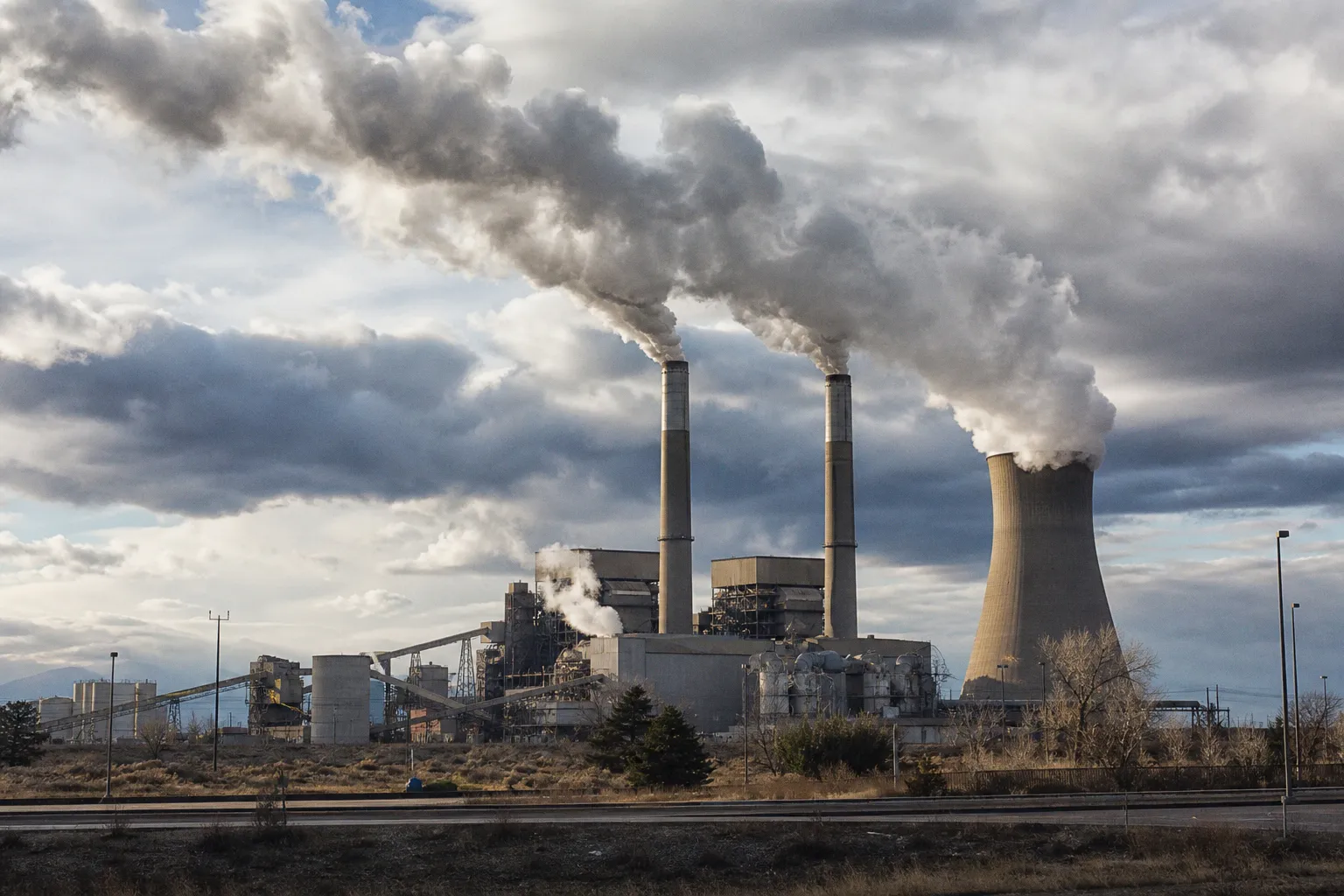
The Extraction Machine Grinds Forward
The headline tells us what we already suspected: US utilities are turning back to coal, and this pivot is the primary driver behind rising global emissions. Reuters frames it as a report — a data point — but we should understand it as a structural indictment. This isn't some market anomaly or unexpected hiccup. The energy system was never built to decelerate extraction; it was built to monetize it. Every coal unit brought back online represents a deliberate choice by utilities and their investors to prioritize short-term returns over atmospheric survival. The complicity isn't hidden. It's quarterly earnings.
We don't have the granular data from this specific report — the full breakdown by utility, by region, by megawatt — but the framing is unmistakable. The US, the single largest historical emitter on the planet, is accelerating in the wrong direction while telling the rest of the world to cut back.
What the Other Headlines Reveal
Consider the surrounding noise. While Reuters reports America driving the coal resurgence, BP is positioning itself as essential to "global energy" amid "shifting oil markets." The language is deliberate — corporations don't just participate in markets, they narrate them. BP's framing obscures what's actually happening: the same fossil fuel majors that pledged net-zero are adjusting their portfolios to maximize extraction while the window remains open. Meanwhile, industry events in Canada showcase companies like Acme Multitech securing "global business leads" at energy trade shows — the supply chain for fossil fuel infrastructure isn't contracting. It's networking. The material conditions of extraction haven't changed. The PR has.
The Structural Failure We Keep Naming
Here's what we keep refusing to learn: you cannot regulate extraction industries while simultaneously guaranteeing their profitability. The US grid was designed around centralized fossil fuel generation. The political economy of utility regulation — rate-of-return structures, state-level energy commissions stacked with industry insiders, federal subsidies buried in tax codes — ensures coal remains profitable long after it should have been decommissioned. Turning back to coal isn't a regression. It's the system doing what it was built to do. Every climate bill, every Paris pledge, every corporate sustainability report collides with this material reality: the infrastructure of extraction is still the infrastructure of power. Literally.
We should be watching three things. First, which utilities are making this pivot and whether their shareholders are connected to coal-producing regions or companies. Second, whether the Inflation Reduction Act's clean energy provisions are being systematically undermined by state-level policy captured by fossil fuel interests. Third, the emissions data itself — because if the US is now driving global increases, every other country's cuts are being negated by American extraction. This isn't a both-sides story. One country's energy policy choices are loading the atmosphere with carbon while telling everyone else to sacrifice.
The material conditions demand we name the structure: fossil fuel utilities aren't "turning back" to coal by accident. They're choosing it. And the system — regulatory, financial, political — is built to let them.