Climate Action Plan for the Mediterranean launched
Forty-three countries have launched work on the Mediterranean’s first-ever regional Climate Action Plan — not a glossy declaration, but a test of whether governments can coordinate against warming…
Harrison Lockwood, Lead Columnist on Systemic Justice & Climate Action·updated July 05, 2026
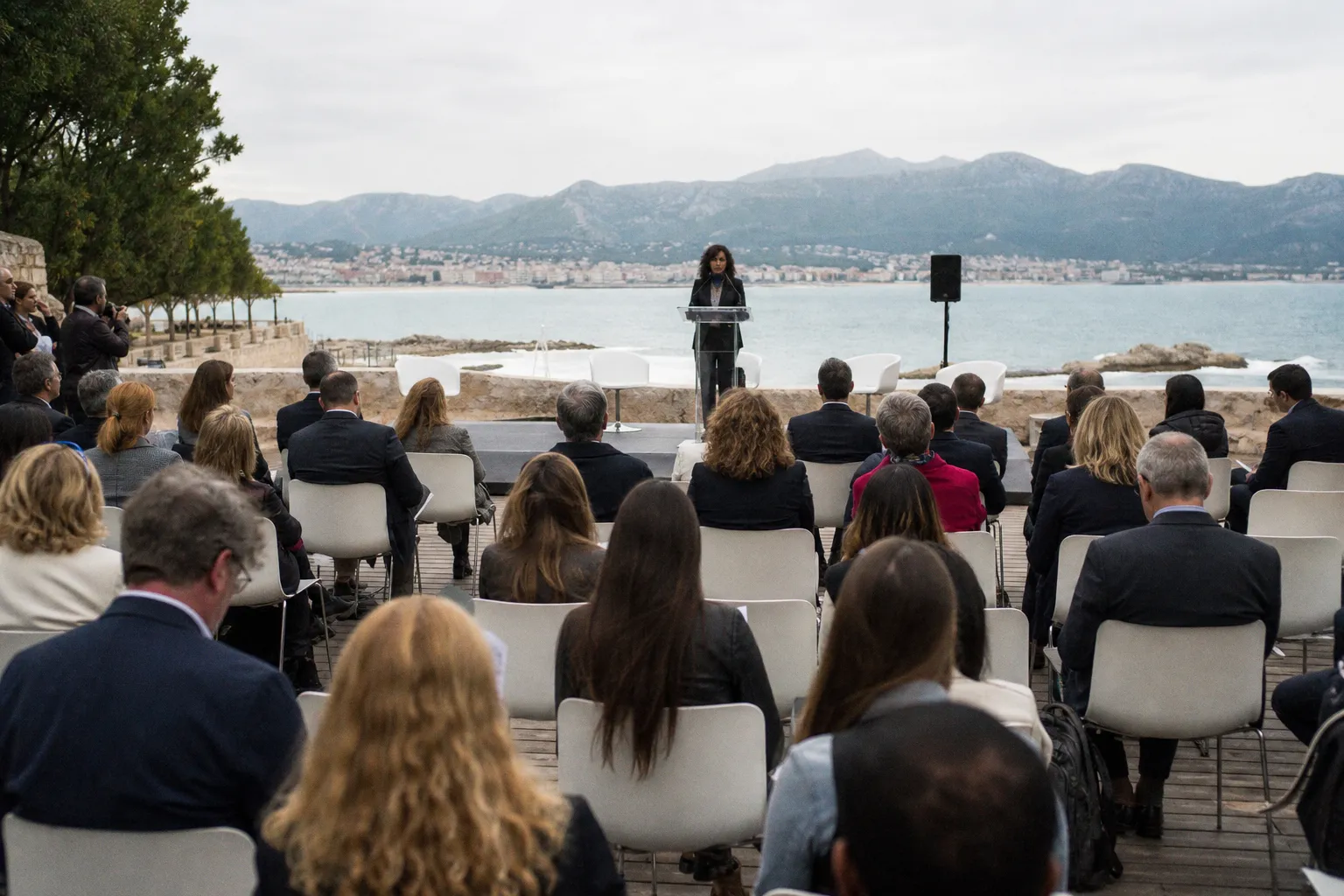
Forty-three countries have launched work on the Mediterranean’s first-ever regional Climate Action Plan — not a glossy declaration, but a test of whether governments can coordinate against warming, drought and rising seas at the scale the crisis actually operates. The Union for the Mediterranean announced the initiative during its 3rd Mediterranean Green Week, held from 30 June to 3 July 2026. The stakes are blunt: the Mediterranean is warming 20% faster than the global average, and fragmented national policy will not hold back heat, water stress, fire risk or sea-level rise.
The plan starts where national climate politics usually fail
The new Climate Action Plan is being developed under the Union for the Mediterranean, an intergovernmental body that brings together EU member states with Southern and Eastern Mediterranean countries. That matters because the climate pressures named in the announcement do not respect the tidy borders politicians hide behind: reduced rainfall, longer droughts, rising temperatures, rising sea levels and more intense wildfires.
The source says the plan is intended to coordinate regional responses to warming, droughts and sea-level rise. It will link national climate strategies with cross-border projects, help align climate finance around shared priorities, and create new opportunities for cooperation on common challenges.
That language should be read carefully. “Align climate finance” can mean directing money toward resilience and adaptation where material risk is highest. It can also become another bureaucratic corridor where states announce ambition while communities wait for water systems, fire preparedness, coastal protection and livelihood security. The difference will not be rhetorical. It will be budgetary.
Political commitments now face the material test
UfM environment and climate ministers adopted a declaration in 2021 committing to enhanced climate ambition, adaptation and resilience, mobilisation of climate finance, sustainable management of natural resources, and a just transition. The new plan is supposed to turn those commitments into practical cooperation.
That is the hinge. We have had decades of climate language polished into institutional comfort. “Ambition” costs almost nothing. “Resilience” can be used to describe anything from serious public investment to telling people to survive austerity with better messaging. A “just transition” means little unless it protects workers, rural communities, coastal populations and those already absorbing the first and worst impacts of climate breakdown.
The announcement also came as a historic heatwave gripped Europe. That timing is not incidental. Heat is no longer a future scenario in the Mediterranean; it is an operating condition. Ecosystems and economies already under strain now face rising temperatures, less rainfall, longer droughts and intensified wildfire risk. In that context, a regional plan is not a luxury. It is the minimum rational response to a shared emergency.
What we should watch now
The plan is still under development throughout 2026, so the useful question is not whether governments have launched something. They have. The useful question is what they build into it.
First: follow the finance. If the plan claims shared priorities, it should show how climate finance will be aligned and where it will go. Adaptation cannot remain a press-release category while water stress, coastal exposure and wildfire risk intensify.
Second: look for cross-border projects with enforceable substance. The Mediterranean’s risks are regional, but policy power still sits inside states. If the plan merely aggregates national strategies, it will not match the physics of the crisis. If it creates practical cooperation across borders, it may begin to close that gap.
Third: test the justice language against material outcomes. A just transition in this region has to mean more than decarbonisation targets. It has to confront livelihoods, strained ecosystems, natural-resource management and the unequal capacity of communities to absorb climate shocks.
No Mediterranean country can address these challenges alone — that much is now official language. The harder truth is that coordination without redistribution, finance without accountability, and resilience without public investment will leave people exposed while institutions congratulate themselves for meeting. The plan’s launch is significant. Its worth will be measured by whether it shifts power and resources before the next heatwave, drought or fire season makes the accounting brutally clear.