EV Batteries Are Defying Expectations After Hundreds of Thousands of Miles
The Wall Street Journal reports that EV batteries are “defying expectations” after hundreds of thousands of miles.
Harrison Lockwood, Lead Columnist on Systemic Justice & Climate Action·updated July 05, 2026
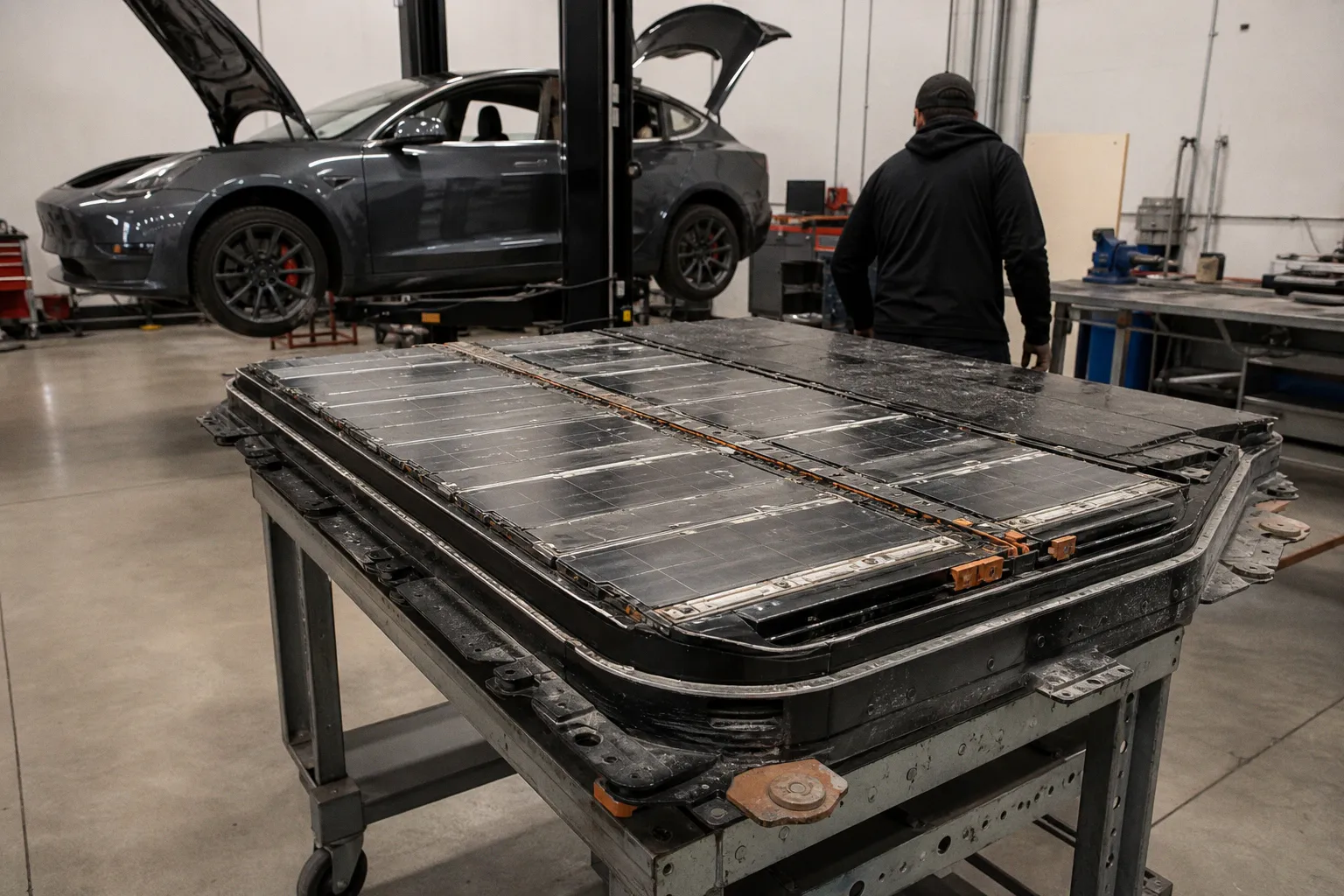
The battery panic is losing some leverage
For years, the battery has carried more than the car. It has carried the talking points of fossil-fuel incumbency, the caution of legacy automakers, and the anxieties of buyers asked to trust a new drivetrain inside an old, unequal market.
The WSJ item does not give us enough detail here to make sweeping claims about every model, chemistry, climate, charging habit, or owner experience. We should not pretend it does. But the core reported fact matters: EV batteries are showing durability after hundreds of thousands of miles. That cuts directly against the most convenient caricature — that an electric car becomes a financial cliff once the odometer stops looking new.
This does not make EVs a climate cure-all. Cars still require roads, extraction, finance, insurance, electricity, and an industrial system that rarely distributes costs fairly. But durability changes the material argument. A battery that lasts deep into a vehicle’s life weakens the case for treating EVs as disposable tech gadgets and strengthens the case for policy built around longevity, repair, reuse, and public accountability.
What buyers should actually ask now
The practical lesson is not “buy anything with a plug and relax.” That is the kind of market cheerleading that turns climate policy into a showroom brochure.
The better question is sharper: what proof does the seller provide about battery condition, warranty coverage, and service history? If batteries are lasting longer than many expected, then used EVs deserve more serious attention — but only with documentation, not vibes. Buyers should ask how the battery has been assessed, what protections remain, and whether the vehicle’s history supports the price being charged.
That matters because durability can become either a public benefit or another private extraction point. If longer-lasting batteries make used EVs more viable, working households should see the advantage in lower lifetime costs and broader access. If dealers, lenders, and manufacturers capture the value through opaque pricing and restrictive service systems, the climate transition simply reproduces the old auto economy with a cleaner drivetrain.
A battery that survives hundreds of thousands of miles should not become an excuse for higher markups. It should become leverage for stronger consumer rights, better secondhand markets, and less tolerance for planned obsolescence dressed up as innovation.
The climate stakes are bigger than the odometer
The most important part of this story is not that a machine lasted. Machines should last. The scandal is that so much of modern consumer capitalism trained people to expect expensive things to fail early, then sold that failure back to them as progress.
Longer-lasting EV batteries challenge that model. They make the anti-EV fear campaign less credible, but they also put pressure on the pro-EV establishment. If these packs can endure serious mileage, then regulators and manufacturers should treat longevity as a baseline, not a luxury feature. The climate transition cannot run on disposable hardware, hidden repair barriers, and a financing system that punishes everyone outside the top income brackets.
We should watch what industry does next. They may use durability to sell more vehicles without addressing extraction, transit, grid equity, or repair access. They may also bury useful battery-health information behind proprietary systems. Neither path serves the public.
The useful reading is narrower and stronger: one of the central objections to EV ownership appears weaker than its loudest advocates claimed. Now the fight moves to structure — warranties, transparency, used-market access, repair rights, and policies that make cleaner transportation materially available rather than symbolically advertised.