Historic Heat Wave Disrupts US Holidays and World Cup Matches
A heat wave is now being reported as disruptive enough to interfere with US holidays and World Cup matches.
Harrison Lockwood, Lead Columnist on Systemic Justice & Climate Action·updated July 04, 2026
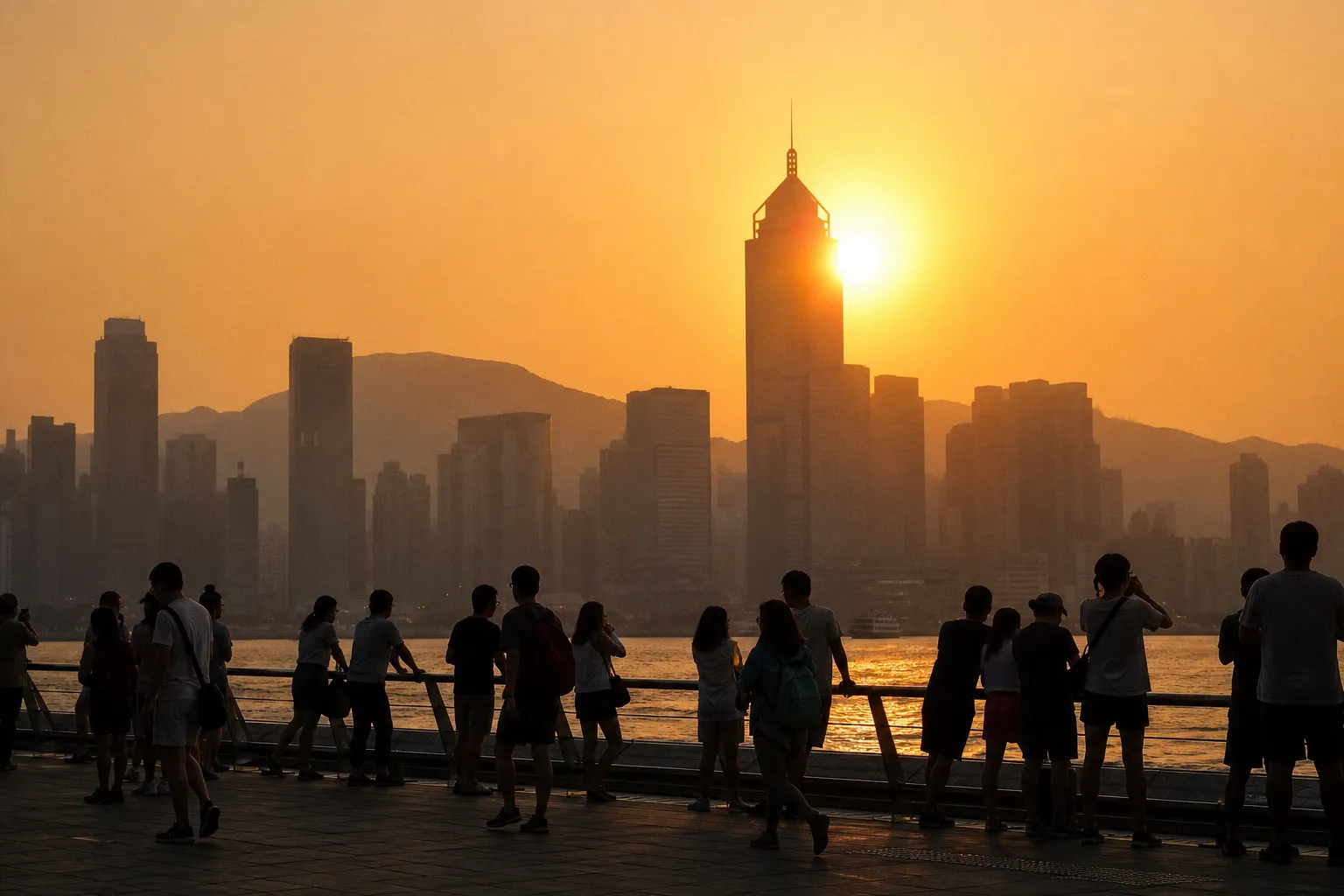
Heat is becoming an infrastructure test, not a lifestyle inconvenience
The reported disruption to US holidays and World Cup matches should not be treated as a quirky summer story. Holidays and major sporting events concentrate people, transport demand, staffing pressure, policing, medical readiness, and commercial expectations in one place. Heat presses on all of that at once.
The available source material does not provide confirmed venue details, match locations, casualty figures, or official schedules. So we should not invent them. But the core fact is enough to read the politics clearly: when extreme heat starts interrupting marquee public life, the fiction of “normal operations” begins to crack.
For years, institutions have sold adaptation as a matter of individual adjustment: drink water, wear sunscreen, plan ahead. Fine. Do those things. But that frame is deliberately too small. A holiday crowd cannot personally retrofit a city. A stadium worker cannot personally redesign labor protections. A traveler cannot personally stabilize transport systems strained by heat, fuel disruption, and demand spikes.
The burden sits where it always sat: with public authorities, event organizers, transport operators, and the companies that profit from mass mobility while externalizing climate risk onto workers and the public.
The transport warning is already flashing
Another report in the same cluster points to fuel shortages triggering transport disruptions, road travel challenges, tourism concerns, and economic pressure across Russia, Ukraine, Europe, global energy markets, and international travel. The wording is broad, and the source material does not let us verify local specifics. But the structural point is hard to miss: travel systems are brittle.
Heat disruption and fuel disruption are not identical. They do, however, expose the same dependency chain. Modern tourism and sport rely on cheap movement, dense scheduling, and the assumption that infrastructure will absorb shocks quietly. That assumption looks worse every year.
When a heat wave can disrupt holidays and football matches, and fuel pressure can ripple through road travel and tourism, the practical question for readers is not “Will my trip be pleasant?” It is: who has built redundancy, who has a real safety plan, and who is simply hoping the weather and energy markets behave?
Before attending large events in hot conditions, people should check official event updates, transport notices, and heat-related advisories from the relevant public bodies or organizers. That is not paranoia. It is basic self-defense in a system that still treats climate volatility as an exception rather than a planning condition.
Electrification helps, but it does not absolve power
One transport data point in the cluster cuts in a different direction: battery-electric vehicles made up 30% of new cars registered in June 2026, according to Transport + Energy. That matters. Electrification can reduce dependence on volatile fuel systems and cut emissions from road transport.
But we should be precise. A registration share is not a climate plan. It does not tell us who can afford the vehicles, whether charging access is equitable, or whether public transport is improving. It does not solve heat exposure for workers. It does not protect crowds at outdoor events. It does not replace the need for serious adaptation funding.
This is where corporate and political spin usually enters: point to one cleaner technology metric, then pretend the material conditions have been handled. They have not. A society can register more electric cars and still leave people stranded in overheated transit systems, unsafe workplaces, and poorly planned public events.
The immediate lesson is not complicated. Treat extreme heat as a public-safety and infrastructure issue. Demand clear contingency plans from event organizers. Watch whether cities and transport agencies publish usable updates rather than vague reassurance. And reject the lazy idea that disruption is just the cost of summer.
It is the cost of delay, extraction, and planning systems built for a climate that no longer exists.