U.S. District Court strikes down two Trump Administration executive orders on elections
A federal court has permanently blocked two Trump Administration executive orders that tried to drag state election systems under presidential control — including mail-in ballot procedures. According to Delaware’s Attorney General, the U.S.
Harrison Lockwood, Lead Columnist on Systemic Justice & Climate Action·updated July 03, 2026
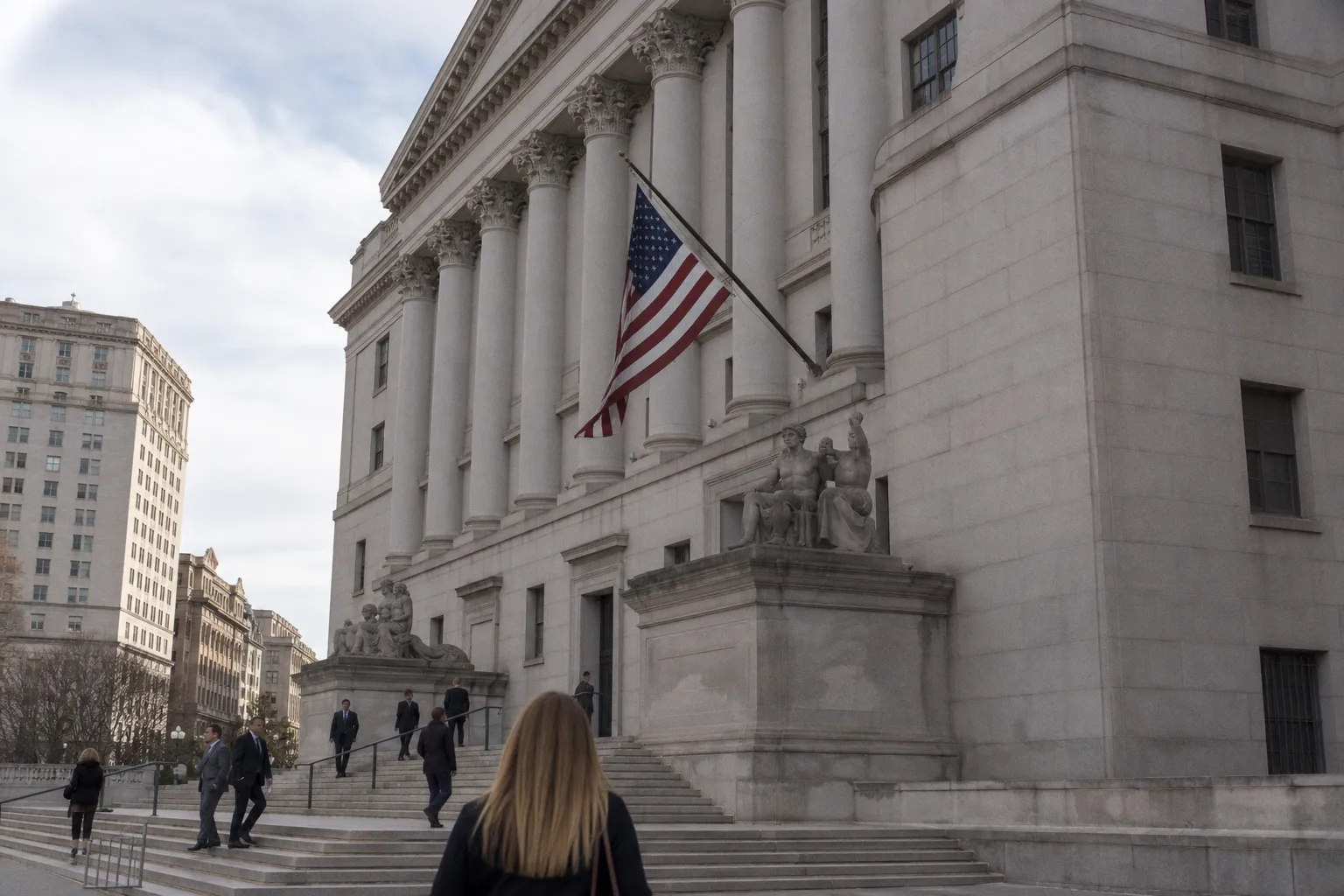
The machinery they tried to seize
The first order, Executive Order 14248, was issued in March 2025. Delaware’s account says it attempted to force state election officials into imposing documentary proof-of-citizenship requirements for voter registration, rejecting certain mail ballots cast by Election Day but received shortly afterward, and risking streams of federal funding for states that refused to comply.
That is the classic architecture of coercion: take a state function, attach federal punishment, then call it “election integrity.” The court did not accept that frame. It granted summary judgment and blocked key provisions from taking effect, after the states had already won a preliminary injunction and defeated the administration’s motion to dismiss.
The second order, Executive Order 14399, went further. It attempted to create a national list of eligible voters and directed the U.S. Postal Service to transmit mail ballots only to voters on that list. Delaware officials say the court struck down sections of that order as “unlawful, null, and void” and issued a permanent injunction.
Mail voting was the pressure point
The Postal Service piece should not be treated as a bureaucratic footnote. Delaware’s release says Postmaster General David Steiner confirmed to U.S. senators that, under a proposed Postal Service rule based on the executive order, if states refused to turn over absentee ballot lists, USPS would not mail their absentee ballots.
That is not neutral administration. That is a choke point.
The court’s order now prohibits USPS from refusing to transmit mail-in or absentee ballots from voters registered in Delaware and other plaintiff states. The federal government is also barred from investigating or prosecuting state and local officials for refusing to comply with the blocked provisions in connection with the November 3, 2026, federal election or any earlier federal election.
For voters, the immediate practical lesson is simple: do not assume the infrastructure of democracy protects itself. Check your state election office’s current rules for voter registration, absentee voting, and ballot return deadlines. If you vote by mail, track your ballot where that option exists. If your local election office needs poll workers or nonpartisan observers, that is material work — not symbolic resistance.
The coalition matters because power concedes nothing politely
Delaware Attorney General Kathy Jennings framed the ruling as a defense of state authority over elections. The lawsuit over Executive Order 14399 included attorneys general from Arizona, California, Colorado, Connecticut, Illinois, Maine, Maryland, Massachusetts, Michigan, Minnesota, Nevada, New Jersey, New Mexico, New York, North Carolina, Oregon, Pennsylvania, Rhode Island, Vermont, Virginia, Washington, Wisconsin, and the District of Columbia.
That coalition is important. Not because attorneys general are inherently heroic, but because organized institutional resistance can still block executive overreach when it moves fast enough and refuses to launder illegality as “reform.”
We should be clear about the stakes. Climate policy, labor rights, racial justice, reproductive freedom — none of them survive long if election administration becomes a weapon of presidential extraction. The court has blocked these two orders. It has not removed the underlying incentive for those in power to suppress, delay, or condition the vote when the electorate threatens their agenda. That is what we watch next.