How SFI is helping a small farm improve profitability and resilience – Farming
Defra has put forward a small but revealing case study: Edward Earnshaw, a third-generation farmer in Gloucestershire, says Sustainable Farming Incentive actions are helping his family farm…
Harrison Lockwood, Lead Columnist on Systemic Justice & Climate Action·updated July 02, 2026
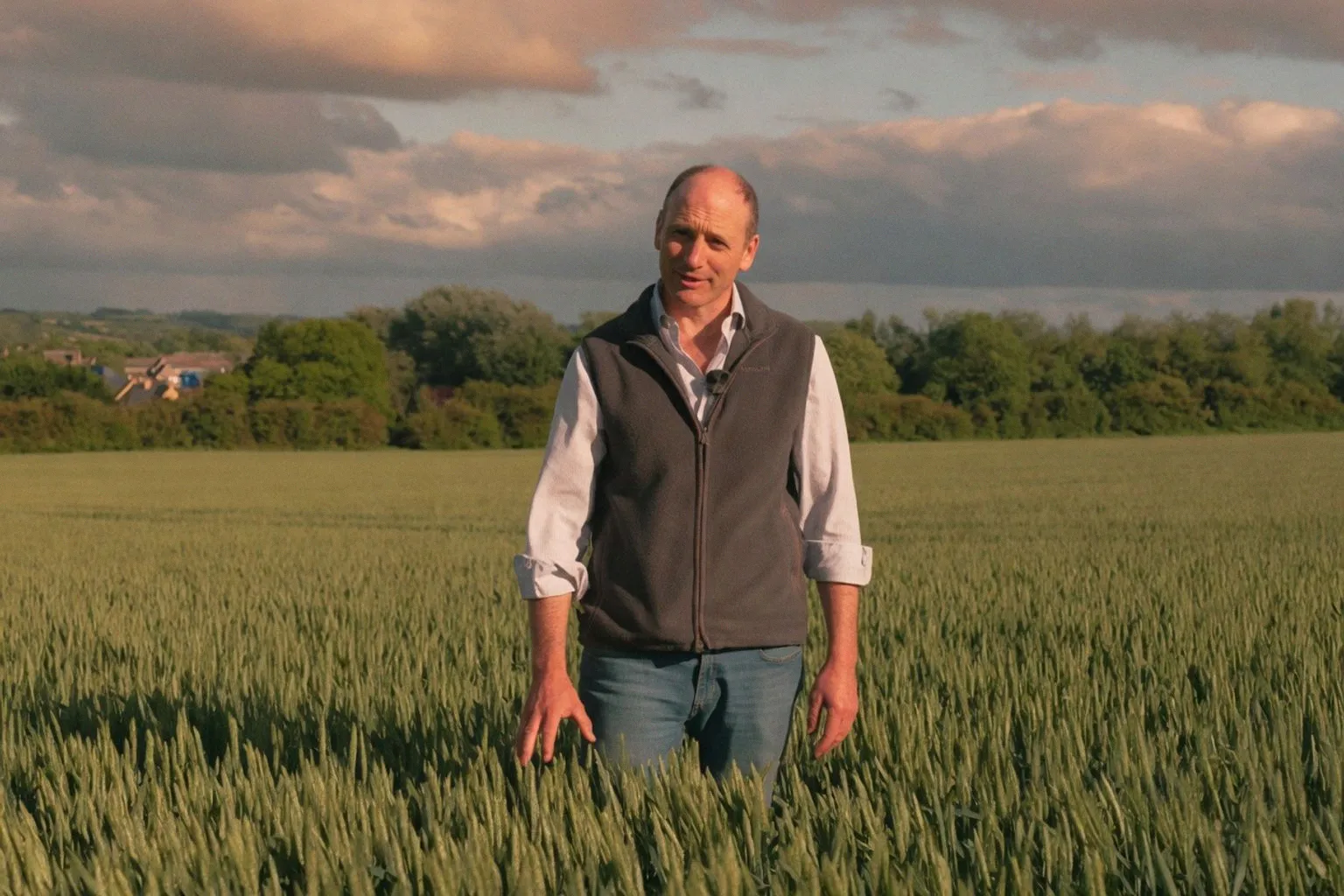
Defra has put forward a small but revealing case study: Edward Earnshaw, a third-generation farmer in Gloucestershire, says Sustainable Farming Incentive actions are helping his family farm streamline management, cut input costs, and improve profitability while delivering environmental benefits. That matters because the argument over farm transition too often gets trapped between two bad choices: extraction dressed up as “efficiency,” or climate policy designed without material regard for the people working the land. Here, the useful question is narrower and harder: does public money reduce dependency on costly inputs while improving soil, resilience, and farm viability?
The policy signal inside one small farm
The GOV.UK Farming Blog frames the Earnshaw case through the Sustainable Farming Incentive, one of England’s farming support routes. Defra’s Farming and Countryside Team says its blog is meant to explain farming policy, funding opportunities, and changes that could affect farm businesses, including SFI, Capital Grants, and other schemes.
Strip away the departmental polish and the core issue is still important: if a small family farm can use SFI actions to simplify management and lower input costs, that points toward a different form of agricultural support — one based less on maximising throughput and more on changing the conditions under which farmers make decisions.
That is not a minor distinction. Input costs are a lever. When farms rely heavily on purchased inputs, suppliers gain power, margins tighten, and “choice” becomes a polite fiction. A scheme that helps reduce those costs can shift some leverage back toward the farm gate. The environmental benefits matter too, but they should not be treated as a decorative add-on. Soil health, resilience, and profitability are not separate boxes on a grant form; they are the same material fight seen from different angles.
What farmers should actually check
The practical takeaway is not “copy this farm.” Defra’s own material points farmers back to detailed GOV.UK guidance and application information, which is exactly where the scrutiny belongs. Before treating SFI as an answer, farmers need to check which actions fit their land, labour, management capacity, and cash-flow reality.
The case study says SFI actions helped a small family farm streamline management, cut input costs, and boost profitability. Those are the claims worth testing on any holding: will the action reduce a real cost, or add paperwork without changing the underlying economics? Does it complement existing Countryside Stewardship arrangements or other support routes? Does it improve environmental outcomes in a way the farm can maintain, rather than perform for one funding cycle?
This is where policy either becomes useful or collapses into theatre. Public funding should not ask farmers to absorb climate risk while supermarkets, processors, landlords, lenders, and input firms keep extracting value up the chain. If SFI is to mean anything beyond another administrative layer, it has to help alter those pressures at farm level.
The wider climate context is moving fast
The Gloucestershire example lands in a broader global pattern. Climate Home News reports on Indigenous women in Guatemala building climate resilience with old and new farming methods. Farmers Review Africa reports that Ethiopia is exploring carbon markets to drive sustainable agriculture and climate resilience. Morning Ag Clips reports a gift accelerating sustainable agriculture research at North Dakota State University.
Those are very different stories, and the available snippets do not justify pretending they form one neat global trend. But they do show the same pressure appearing across geographies: agriculture is being asked to become more resilient, more sustainable, and more profitable under worsening climate stress.
The danger is that policymakers and markets will use “resilience” as a soft word for abandonment: telling farmers and rural communities to adapt while leaving the structures of extraction intact. The better test is blunt. Does the funding reduce costs? Does it improve soil and environmental conditions? Does it make small farms less vulnerable to volatile inputs and policy churn? Does it give working farmers more room to make long-term decisions?
That is what makes this Defra case study worth watching. Not because one farm settles the argument, but because it gives farmers a concrete point of comparison. The next step is not applause. It is verification: read the scheme guidance, run the numbers, test the fit, and keep asking who gains power when the farm changes how it works.