Renewable energy widens cost lead over fossil fuels in 2025 as global savings hit $480 billion
More than 90% of utility-scale renewable capacity added in 2025 produced power cheaper than the lowest-cost new fossil fuel alternative, according to IRENA figures reported by Economy Middle East. That is not a lifestyle preference.
Harrison Lockwood, Lead Columnist on Systemic Justice & Climate Action·updated July 03, 2026
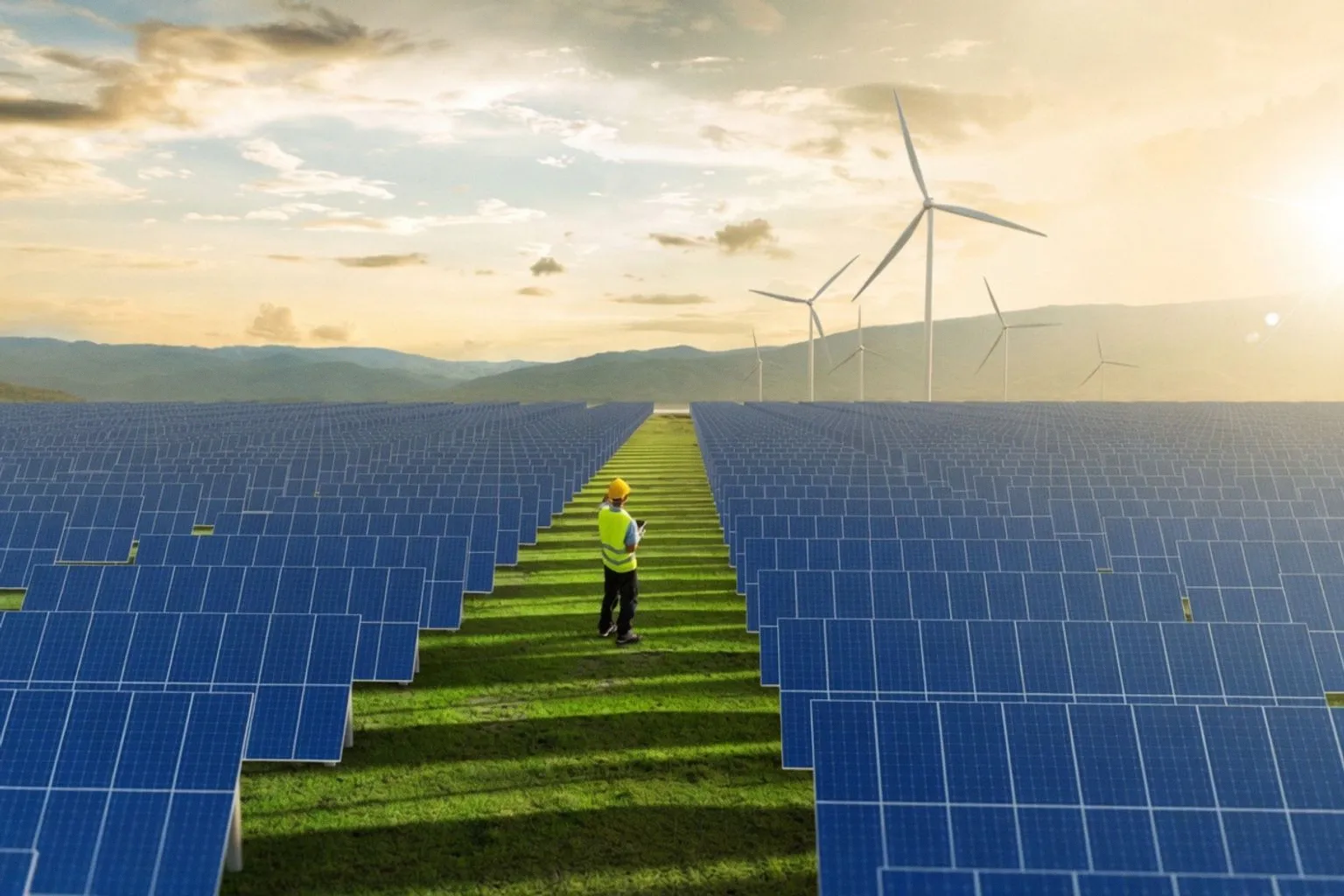
The headline number is blunt: renewable installations avoided about $480 billion in fossil fuel costs in 2025. For climate politics, this matters because the old delay tactic — “clean energy is morally nice but economically naïve” — has lost contact with the ground.
The cost argument has shifted under their feet
IRENA’s reported numbers show how far the economics have moved. Solar PV generation costs held at $44 per megawatt hour in 2025. Onshore wind fell 4% to $33/MWh. Offshore wind declined 3% to $78/MWh.
Gas moved in the other direction. Economy Middle East reports that IRENA found new gas-fired generation costs kept rising as gas turbine shortages nearly doubled capital costs for new combined-cycle plants in the United States. In higher-priced gas markets including Italy, Germany, and Japan, electricity generation costs approached $100/MWh.
This is the part policymakers like to blur: fossil fuels do not merely pollute. They expose households, industry, and public budgets to commodity shocks that no press release can discipline. Renewables do not eliminate every grid problem, but they cut the leverage of fuel suppliers over the rest of society. That is the strategic fact.
“Energy security” now cuts against fossil dependence
IRENA’s director-general Francesco La Camera framed the falling cost of renewables as an “economic dividend,” arguing that every additional megawatt strengthens protection against fuel-price volatility and shields consumers, businesses, and public finances from higher costs. Strip away the institutional language and the point is simple: fuel you do not have to buy cannot be weaponized against you.
The source also notes that geopolitical tensions, supply-chain disruptions, and volatile commodity markets have made affordability and resilience central to energy planning. Continuing uncertainty around the Middle East is expected, in IRENA’s view, to keep gas prices elevated through the year, reinforcing the financial advantage of renewables.
There is a hard lesson here for climate movements and labor movements alike. The fight is not between “green ideals” and “real economics.” The extraction economy has sold itself as realism while quietly socializing risk: price spikes for the public, profits and trading opportunities for the firms positioned around scarcity.
What to watch now: institutions, grids, and the old gas lobby
Nigeria’s admission into the International Energy Agency as an Association country is part of the same geopolitical terrain. Arise News reports that the IEA Family now accounts for more than 80% of global energy demand, up from 40% when the programme launched in 2015. Nigeria’s government described the move as a way to deepen engagement on energy security, investment, gas development, electricity access, and sustainable energy solutions.
That mix deserves scrutiny. “Energy access” can mean public investment in durable, lower-cost systems. It can also become a polite wrapper for locking countries into gas infrastructure under the banner of development. The numbers above make that harder to defend. If new renewables are cheaper than new fossil alternatives in most cases, then the political question is not whether the transition is affordable. It is who benefits from delaying it.
Meanwhile, a separate report says Eni and Mercuria have launched a global energy trading venture. With only the headline available, we should not overstate it. But it is a useful reminder: as states talk about resilience, major energy actors keep organizing around trade, volatility, and market position.
For readers, the practical test is local and immediate. When a utility, minister, or regulator proposes new fossil capacity, ask for the full cost comparison against renewables, the exposure to fuel-price volatility, and who carries the risk when prices jump. The evidence now points in one direction: fossil dependence is not caution. It is a costly form of political obedience.