European Commission adopts revised sustainability reporting standards
On 3 July 2026, the European Commission adopted revised European sustainability reporting standards — a technical phrase for a political fight over who gets to see corporate exposure to climate, biodiversity, and human-rights risk.
Harrison Lockwood, Lead Columnist on Systemic Justice & Climate Action·updated July 06, 2026
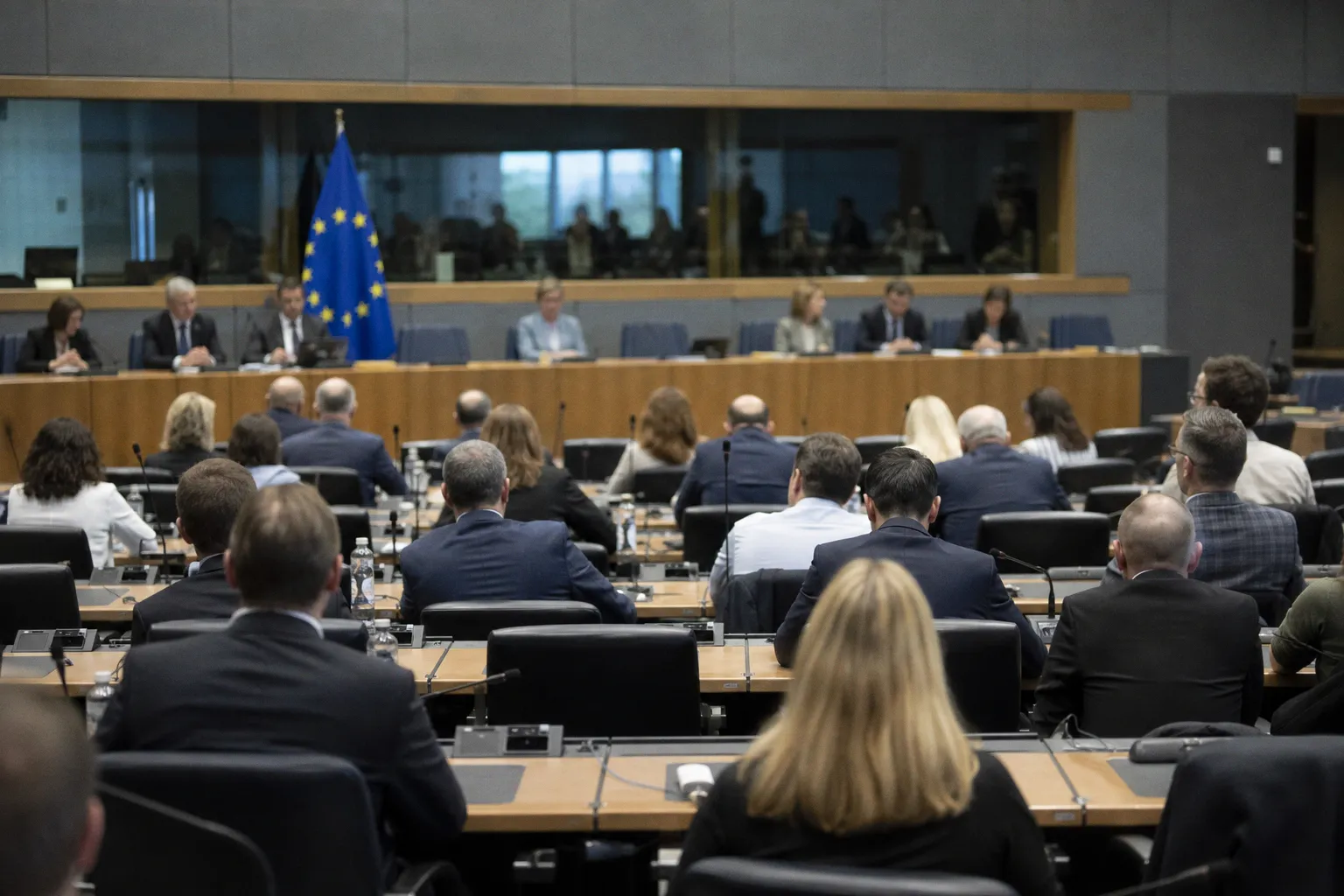
The Commission trims the machinery
The revised European Sustainability Reporting Standards, or ESRS, cover environmental, social, and governance issues, including climate change, biodiversity, and human rights. Their stated purpose is to give investors and other stakeholders information on two fronts: the sustainability-related risks companies face, and the impact companies have on people and the environment.
The Commission says the new standards are shorter and clearer, with new flexibilities and streamlined processes. The sharpest material change is in the datapoints: mandatory datapoints fall by over 60%, while total datapoints drop by more than 70%. Brussels expects those changes to lower reporting costs by over 30% per company.
That is not a neutral administrative footnote. Datapoints are where broad commitments either become traceable or disappear into prose. Fewer fields can mean less duplication and less box-ticking. They can also mean fewer places where corporate conduct has to meet evidence. The difference will matter when investors, workers, communities, and campaigners try to compare what companies say against what they do.
Smaller companies get a voluntary lane — and a cap
The package also includes a voluntary reporting standard for smaller companies outside the scope of the Corporate Sustainability Reporting Directive. The Commission frames it as a single, proportionate reference point for companies that still face sustainability-information requests from large financial institutions and bigger firms.
There is a second mechanism here that deserves attention: the value chain cap. Companies covered by the CSRD will not be able to demand more information from companies in their value chains than the voluntary standard covers.
That cap could protect smaller suppliers from being turned into unpaid compliance departments for larger corporate clients. But it also creates a ceiling on what information flows upward through supply chains. For anyone tracking outsourced harm — emissions shifted down the chain, biodiversity damage buried in procurement, human-rights risk laundered through contractors — the question is not whether the form is simpler. The question is whether the ceiling blocks scrutiny where leverage actually sits.
What to watch now
The revised ESRS and the voluntary standard now go to the European Parliament and the Council for scrutiny. They will apply after a two-month scrutiny period, unless that period is extended by a further two months.
For readers concerned with climate justice and corporate accountability, the practical task is plain: watch whether the simplification package becomes a tool for clarity or a shield against evidence. The Commission says it is maintaining high-quality disclosures while cutting burden. That claim will be tested in implementation — in what companies still have to report, what they can omit, and how much power large firms retain over information in their value chains.
The politics of sustainability reporting rarely looks dramatic. No marches, no barricades, no clean villain in a hard hat. But this is one of the places where power writes itself into procedure. If climate and human-rights risks become easier to price but harder to interrogate, the system has not been simplified for the public. It has been simplified for extraction.