2026 SDG 7 Energy Report Analysis: Addressing the 655 Million Electricity Deficit and Sub-Saharan Africa’s
Six hundred and fifty-five million people. That is the human count still locked out of electricity in 2026, according to the latest Tracking SDG 7 progress report — a figure so large it dissolves into abstraction.
Harrison Lockwood, Lead Columnist on Systemic Justice & Climate Action·updated June 26, 2026
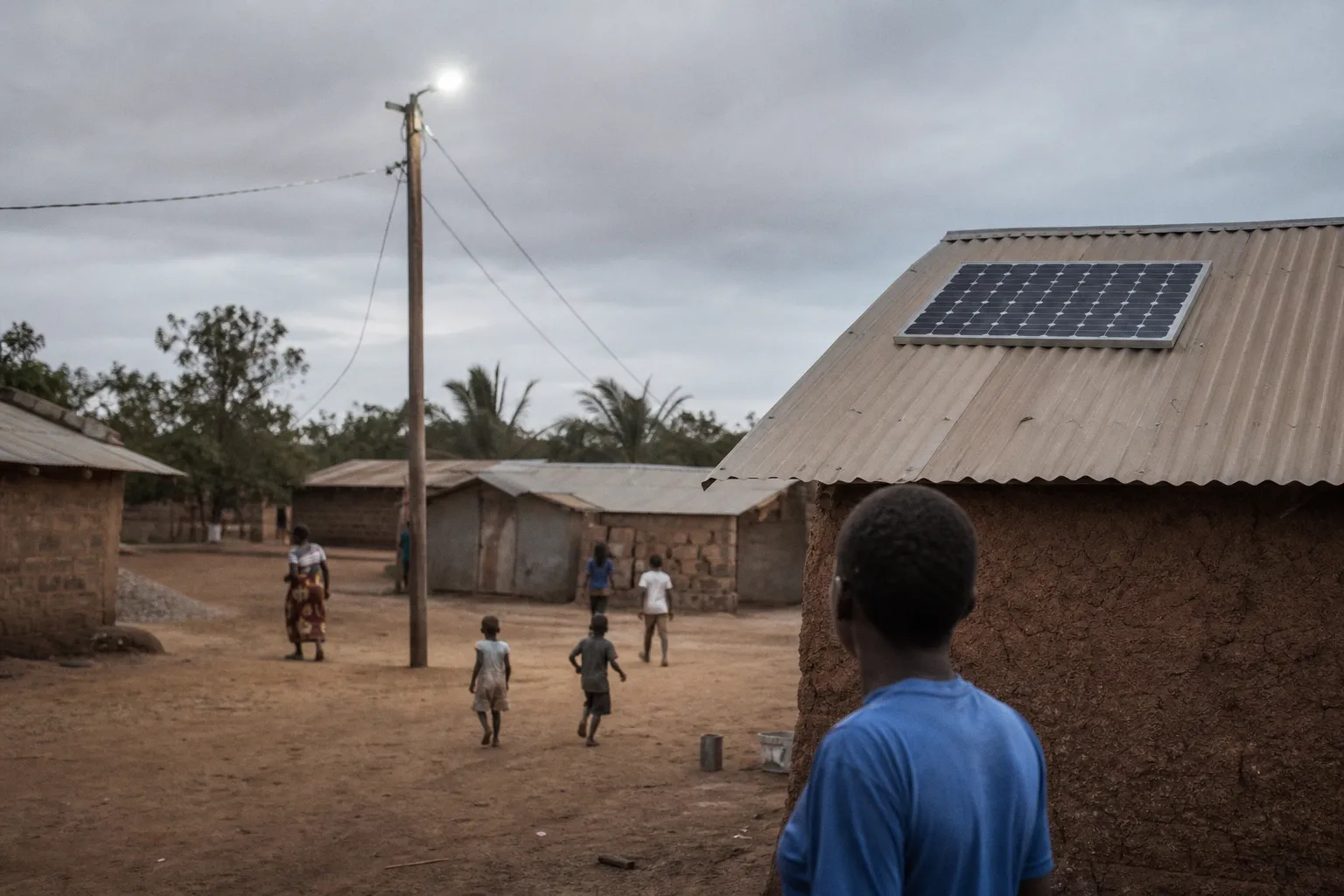
The Clean Cooking Graveyard
Two billion people breathe toxic air inside their own homes because the global energy apparatus never bothered to build for them. Rural access to clean cooking sits at 56%; urban, at 89%. Without serious intervention, 1.8 billion will still burn polluting fuels by 2030, and roughly three million will die early each year from household air pollution — a toll that would constitute an emergency if it were extracting returns for investors rather than suffocating the rural poor. Dr. Fatih Birol of the IEA names it correctly: clean cooking and electricity are the two non-negotiables. Everything else sold as "energy transition" is garnish.
Follow the Money — Or Its Absence
The structural diagnosis is sitting in the balance sheets. International public finance for clean energy in developing countries crept up to $24.6 billion in 2024 — modest in absolute terms, insulting against the scale of need. Financial flows to least developed countries collapsed to $3.7 billion. Meanwhile, low-income nations run on 33.6 watts of renewable capacity per person, while high-income economies command 1,224 watts. Renewables globally now cross 30% of electricity use, and installed capacity hit a record 544 watts per person — progress that flows almost entirely past the communities most exposed to energy poverty. Energy efficiency inched forward to 3.76 megajoules per dollar, still far short of the trajectory required.
What the Deadline Actually Means
The 2030 target is not a technical problem. It is a political and financial one. The report calls for targeted subsidies, creative financing, and least-cost electrification — diplomatic language for: stop pretending market mechanisms alone will wire rural clinics or fund clean stoves for households earning a few dollars a day. Until rich governments and multilateral lenders reverse the funding collapse to LDCs and treat clean cooking as the public health emergency it already is, SDG 7 will join the long list of UN pledges engineered to expire on schedule. The structural choice is whether energy access is a human right or an extractive commodity. The numbers — 655 million, two billion, $3.7 billion — are the answer the international order keeps writing.