Advancing Collaboration on Sustainable Solid Waste Management in Kitakyushu
A workshop on waste management in Japan sounds like a pragmatic exchange. It is, in fact, the precise mechanism by which the costs of the climate crisis are repackaged as a development export.
Harrison Lockwood, Lead Columnist on Systemic Justice & Climate Action·updated June 21, 2026
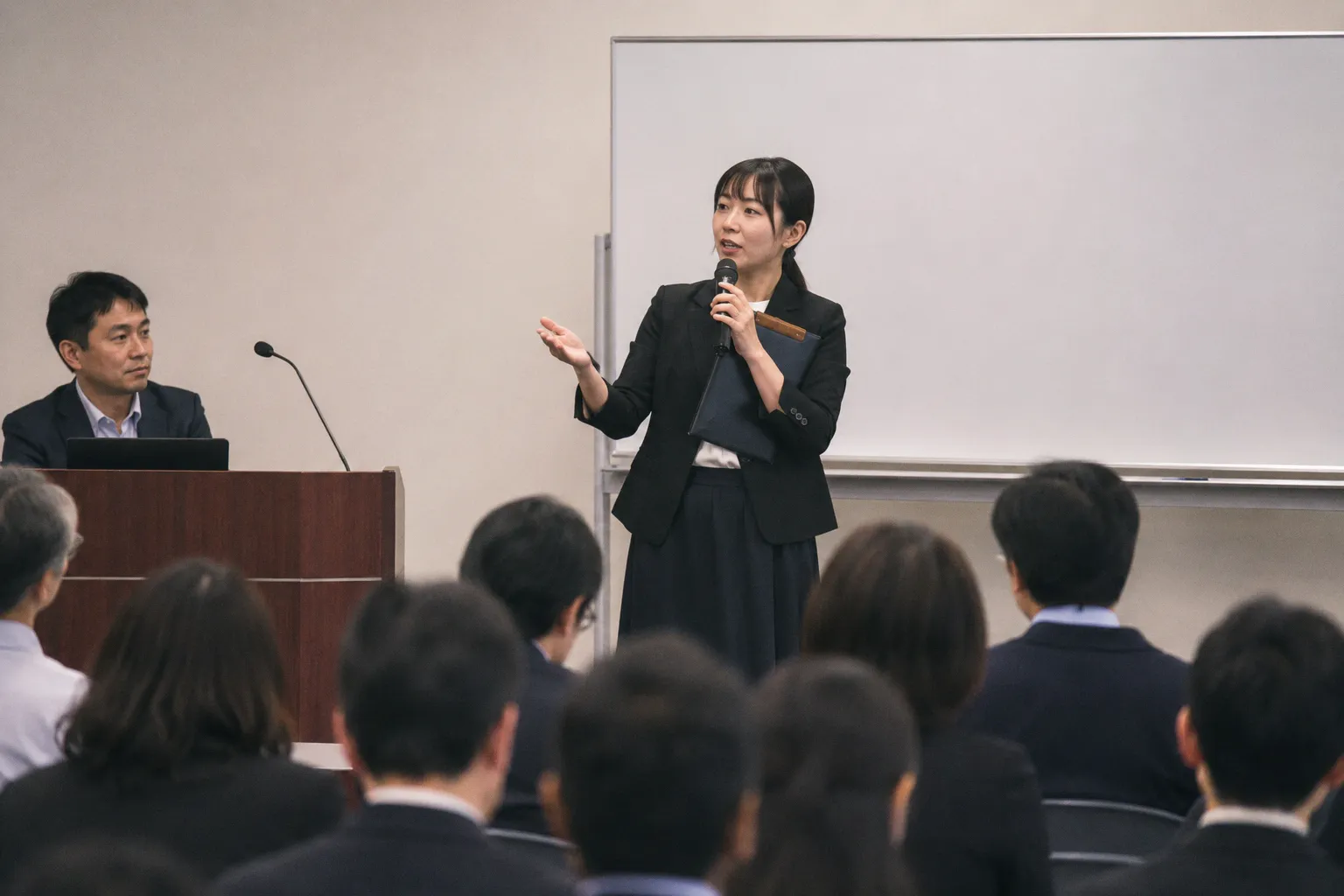
The Workshop as a Blueprint
From June 9-12, 2026, the World Bank’s Tokyo Development Learning Center joined with the Asian Development Bank and JICA in Kitakyushu. The stated aim was to train officials from across Asia and the Pacific on “sustainable” solid waste systems and circular economy approaches. The city itself was the classroom, its waste-to-energy plants and recycling centers presented as models. This is not a neutral knowledge transfer; it is a strategic exercise in exporting a specific, capital-intensive model of waste management, one that prioritizes technological and financial scalability for development partners.
Tracing the Real Objectives
Listen closely to the agenda. A senior World Bank officer delivered a session not on environmental outcomes, but on “financial sustainability and bankability.” The focus was cost recovery, long-term budget security, and “viable and scalable investments.” The material problem—growing waste—is being framed primarily as a fiscal challenge for municipalities, one requiring “robust financial analysis.” The goal is to make waste management a profitable asset class, a project pipeline for international finance. The rhetoric of “partnerships” obscures the creation of new markets for technical consultants and waste-processing technology providers.
What the Living Laboratory Doesn't Show
Kitakyushu is a “City Partnership Program” city for the World Bank, a curated showcase. Its history of environmental remediation is real, but the workshop narrative strips it of context, presenting it as a universally transferable product. This approach systematically ignores the prerequisite conditions: stable municipal governance, pre-existing tax base, and the political will to regulate polluters—conditions often absent in the “developing countries” these solutions are meant for. The workshop’s model, focused on bankability, risks exporting a system where the financial engineering outpaces the actual capacity for public service delivery, trapping municipalities in debt for complex infrastructure while leaving the roots of waste generation—hyper-consumption and linear production—untouched. The collaboration reinforces a world where waste management becomes another lever for extracting value, not a public good.