California Lowers Heat Threshold to Prevent Dangerous Utility Shutoffs
The California Public Utilities Commission just unanimously slashed the temperature threshold for banning utility disconnections from 100°F to 90°F, directly defying the investor-owned utilities that lobbied to keep it at the deadly 100-degree mark.
Harrison Lockwood, Lead Columnist on Systemic Justice & Climate Action·updated July 17, 2026
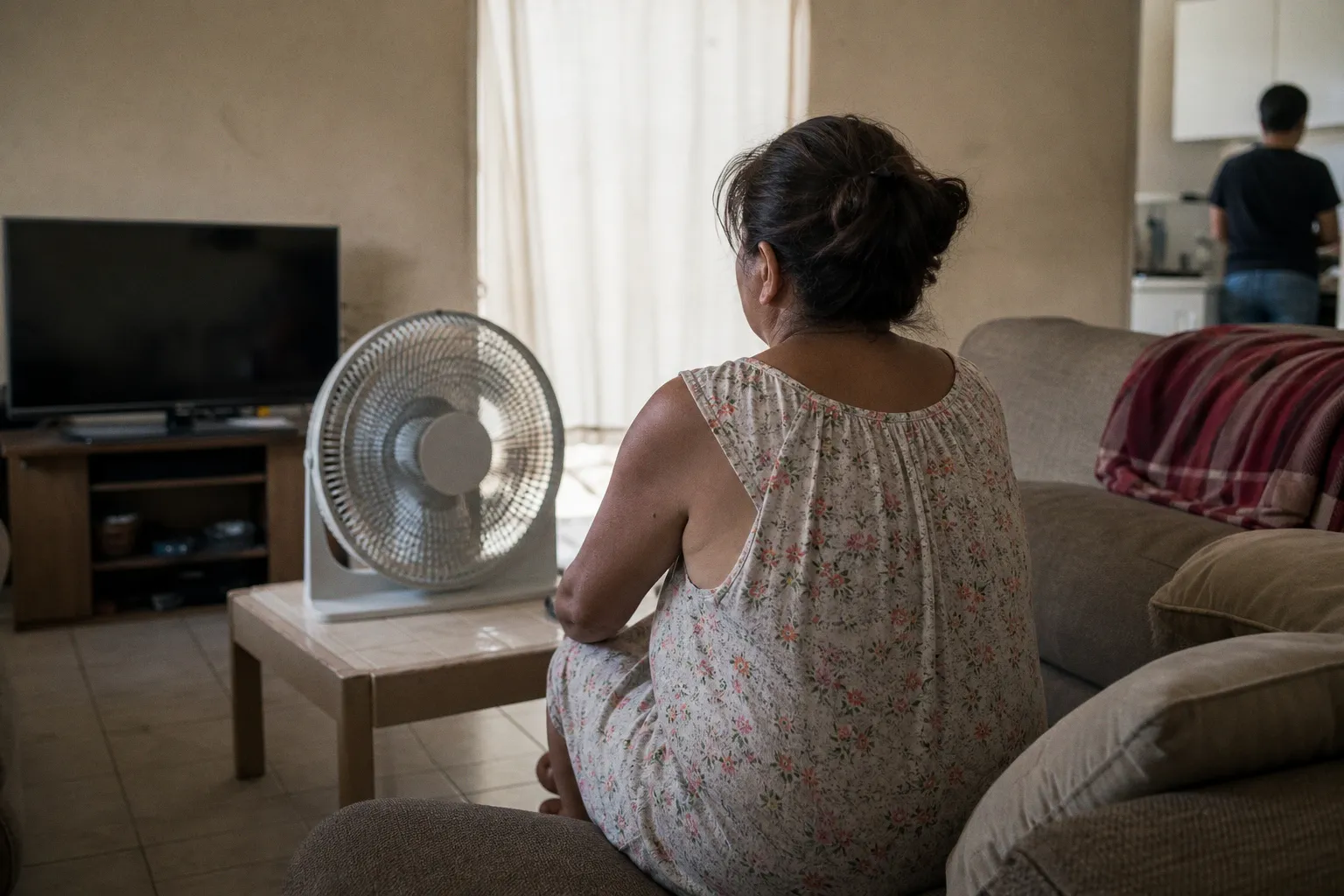
This isn't a minor tweak; it's a state-mandated acknowledgment that access to electricity is a life-or-death material condition in the climate crisis we've manufactured, and that corporate extraction cannot be allowed to sever that lifeline during the very heat waves their product helped create.
Corporate Utility Pushback and the State's Refusal
The decision exposes a raw conflict between public health and shareholder logic. Investor-owned utilities fought to maintain the status quo, proposing to keep the disconnection ban at 100 degrees. The Commission flatly rejected this, stating in its resolution that the utilities' proposal "would violate the Commission’s clear direction… and would conflict with the input of every non-IOU party." This is structural critique made policy: regulators explicitly siding against the profit motive of the entities they oversee, recognizing that a household's power is not a discretionary service to be leveraged for payment during climate emergencies.
CalHeatScore: Moving from Crude Thresholds to Targeted Protection
The more nuanced—and arguably more dangerous for utility business models—mandate is the required use of CalHeatScore before any disconnection. This first-in-the-nation tool forecasts heat severity at a hyper-local level and specifically identifies populations most susceptible: children, older adults, pregnant people, those with chronic conditions, the unhoused, and outdoor workers. By requiring utilities to cross-reference their disconnection lists with this vulnerability map, the CPUC is forcing a degree of targeted protection that crude, statewide temperature bans never achieved. It closes the gap where a family in a vulnerable census tract might have their power cut off on a 95-degree day simply because the statewide threshold hadn't been met elsewhere.
The Material Stakes in a Heating World
This policy lands as a heat dome is shattering temperature records across the Western U.S., making the "extreme heat event" less an anomaly and more a baseline. It coincides with a landmark National Academies report solidifying the scientific link between human-driven emissions and extreme weather—providing the material evidence that lawsuits against fossil fuel giants are using to establish complicity. California's move is a direct, defensive measure against the convergence of these crises: the physical reality of heating and the economic predation of utilities. It’s a model, but the fight to replicate it elsewhere will be just as fierce, exposing the same fault line between public survival and private extraction.