Russia's diesel export ban deepens global supply crunch
Russia’s diesel export ban is now being reported by Reuters as deepening a global supply crunch — another reminder that fossil-fuel security is a political fiction sold at retail prices.
Harrison Lockwood, Lead Columnist on Systemic Justice & Climate Action·updated July 15, 2026
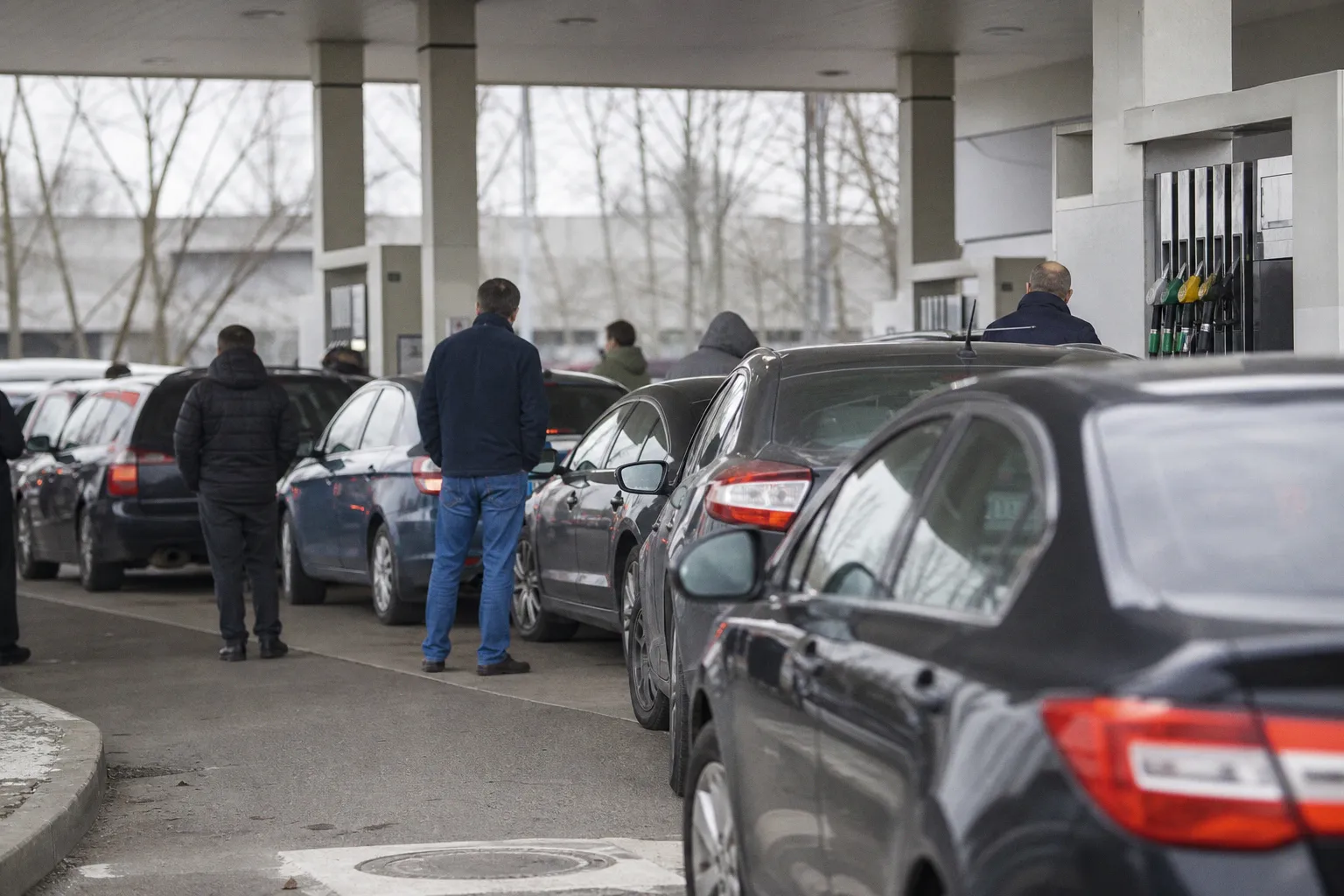
The supply shock is political, not accidental
Reuters’ framing is blunt: Russia’s diesel export ban is tightening an already strained global supply picture. We do not have, from the provided source material, the full mechanics of the ban or the volumes involved, so the honest version stops there. But even that limited fact matters.
Diesel sits inside the machinery of everyday material life: freight, industry, and energy-sensitive supply chains all price in disruption quickly. Sahi’s market note describes the broader geopolitical landscape as facing renewed uncertainty as Trump signals support for a comprehensive Russia sanctions bill. The outlet says that shift in U.S. policy is expected to tighten global energy supplies and affect international trade settlements.
Strip away the market euphemisms and the structure is familiar. States sanction. Exporters restrict. Banks reassess exposure. Insurers and freight operators price risk. Then households and workers meet the bill downstream, usually after politicians have described the process as “stability.”
That is the austerity pipeline: volatility at the top, discipline at the bottom.
Markets are already pricing risk — and passing it on
Sahi says the sanctions signal produced a 5% spike in oil prices and increased global energy volatility. It also describes a “risk-off” environment, with institutional investors likely to move toward safe-haven assets and defensive sectors while reducing exposure to high-beta energy consumers.
The outlet’s India-focused analysis is useful precisely because it shows how quickly a Russia-centered energy shock travels. Sahi says Indian aviation and paint sectors could be hit by crude input costs, while domestic energy producers may see short-term gains. It also warns that energy-sensitive indices could face a 1–2% correction, and that a sustained 5–10% rise in international crude could eventually push oil marketing companies to pass costs through, depending on subsidy policy.
None of this is climate transition. It is fossil dependency with a spreadsheet attached.
And the same logic now reaches beyond the old industrial map. Energy-intensive digital infrastructure, logistics, and compute-heavy businesses all sit inside the same price environment; even people tracking H100 cloud pricing variables are ultimately watching how power, capacity, and risk get converted into a bill. The market pretends these sectors float above material conditions. They do not.
What to watch instead of the spin
The first thing to watch is not the daily price twitch. It is policy enforcement. Sahi notes that the U.S. had been tightening oil price-cap enforcement over the past 90 days, and says the G7 updated its maritime insurance compliance framework in June 2026, slowing tanker movements from Baltic ports. If that continues, the pressure point may not be the barrel itself but the financial and insurance architecture around moving it.
Second, watch who receives protection. If governments absorb costs through subsidy policy, that can shield households — or quietly protect corporate margins. The difference matters. Climate politics cannot treat “energy security” as a neutral phrase when the same system socializes pain and privatizes upside.
Third, watch the language of inevitability. We will hear that volatility is just the cost of geopolitical realism. But this crunch is also the cost of delaying a serious transition away from extractive dependence. Every postponed investment in public energy resilience, electrified transport, and demand reduction leaves society more exposed to the next export ban, sanctions bill, or maritime insurance squeeze.
Power will call this a market adjustment. We should call it what it is: a political economy that keeps choosing leverage over stability, then invoices the public for the consequences.