Trump Imposes 20% Strait of Hormuz Toll: Market Impacts
A reported 20% “safe passage” toll in the Strait of Hormuz is not just another market headline.
Harrison Lockwood, Lead Columnist on Systemic Justice & Climate Action·updated July 14, 2026
The toll is the point, not the theatre
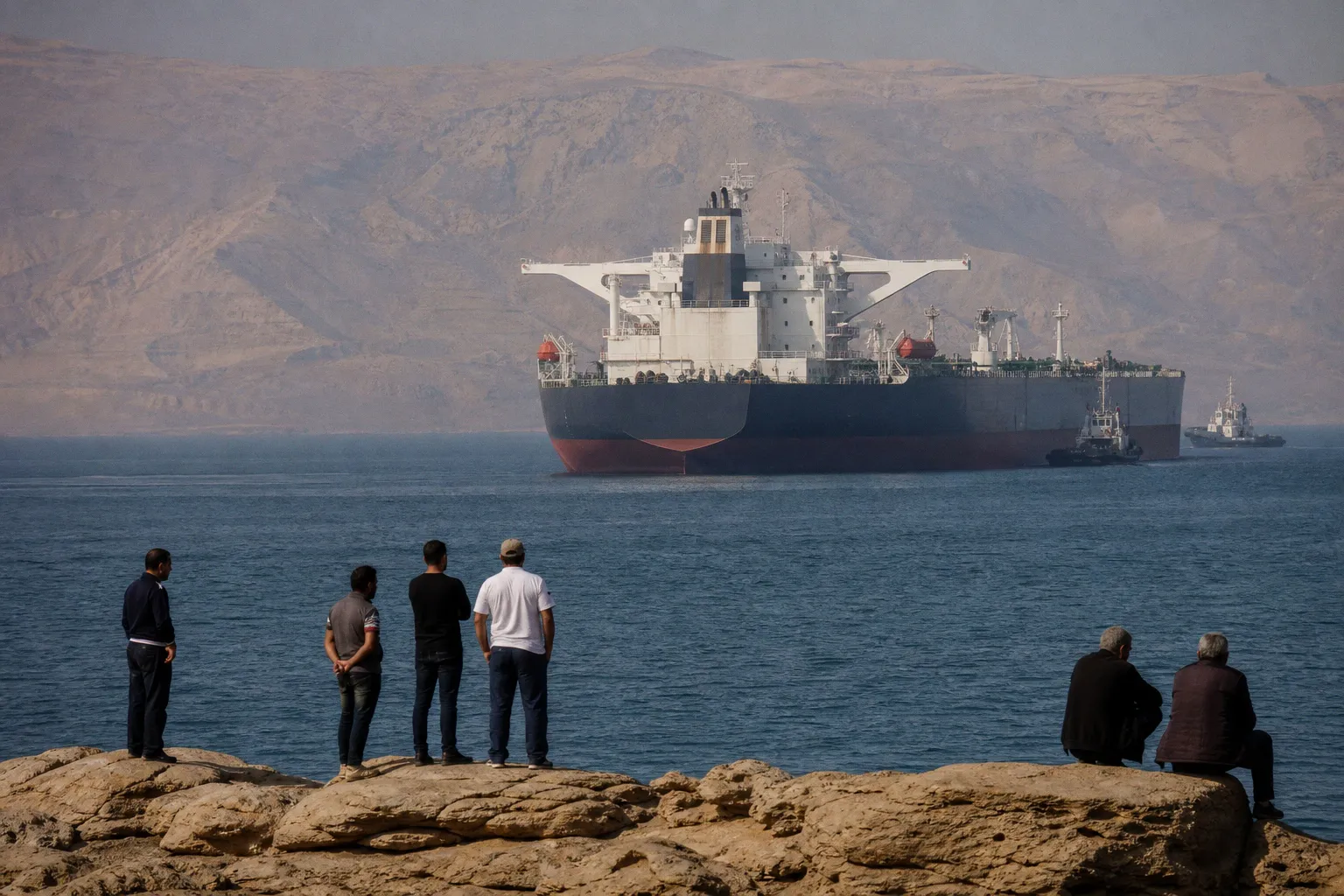
The reported measure does two things at once. It turns a strategic chokepoint into a revenue and pressure mechanism, and it forces energy markets to price political force directly into supply expectations. That matters because “energy security” is too often sold as a neutral technical phrase when it is really a map of power: who controls routes, who absorbs costs, who gets to call extraction stability.
The detail we can state is narrow: stl.news reported Trump restoring a naval blockade and imposing a 20% safe-passage toll in the Strait of Hormuz. The available snippet does not provide the legal basis, enforcement mechanism, exemptions, affected cargo categories, or response from other governments. Those are not footnotes. They are the machinery.
Without them, anyone pretending to know the full market impact is selling confidence they do not possess. But the direction of the risk is clear enough: when passage through an energy artery becomes a charged political event, traders, insurers, governments, and consumers all start recalculating exposure.
Markets already had the language ready
Seeking Alpha’s separate framing of an “Energy Playbook” for a “global supercycle” tells us something useful about the moment, even without giving us the substance of that analysis. The investor class has already been primed to treat energy volatility as a cycle to navigate, not a system to dismantle.
That distinction matters. A supercycle narrative can make price shocks feel almost natural: tides, waves, momentum. But a naval blockade and a passage toll are not weather. They are decisions. They are state power entering the price of fuel, transport, and production.
For climate politics, this is the trap. Every fossil shock gets repackaged as an argument for more drilling, more military protection, more “resilience” defined by the same institutions that built the vulnerability. The public gets austerity and higher costs; asset holders get volatility to trade; governments get another excuse to harden the infrastructure of extraction.
We should not confuse market adaptation with social protection. A hedge fund can “navigate” a supercycle. A household, a public transit agency, or a climate-vulnerable community cannot.
Cleantech rankings are not liberation, but they show the exit sign
The same source cluster points to another track: S&P Global has released its 2026 Tier 1 Cleantech Companies list, and TradingView reports that Canadian Solar made S&P Global Energy’s premier list of Tier 1 cleantech companies for 2026. That is not a revolution. Rankings do not decarbonize a grid by themselves, and corporate lists can flatten real labor, supply-chain, and land-use questions into a badge.
Still, the contrast is useful. On one side: militarized control over fossil transit. On the other: institutions trying to classify and rank companies in the clean-energy supply chain. The political question is whether public policy treats clean infrastructure as a public necessity or leaves it as another asset class waiting for favorable conditions.
This is where readers should stay unsentimental and practical. Watch for confirmation of the reported blockade and toll from official channels and major energy-market participants. Watch whether governments respond by subsidizing fossil supply routes or accelerating clean generation, storage, and demand reduction. Watch who gets protected from price spikes: households and workers, or balance sheets.
And watch the regulatory terrain. Energy shocks do not stay inside energy markets; they move through finance, compliance, insurance, and cross-border investment. Even far from Hormuz, the way jurisdictions manage market entry and oversight — as in analyses of Australia’s fintech regulation and market-entry landscape — matters because capital will chase volatility unless rules force it to serve material public needs.
The lesson is not complicated. Fossil dependence turns geography into leverage and militarization into market structure. If this reported toll becomes policy rather than noise, the climate movement should name it plainly: not an isolated disruption, but another invoice from an energy system built to make the many pay for the power of the few.