U.S. Electric Vehicle Sales are Down but E.V. Chargers are Booming
U.S. electric-vehicle sales are reportedly down, even as public charging infrastructure keeps expanding.
Harrison Lockwood, Lead Columnist on Systemic Justice & Climate Action·updated July 13, 2026
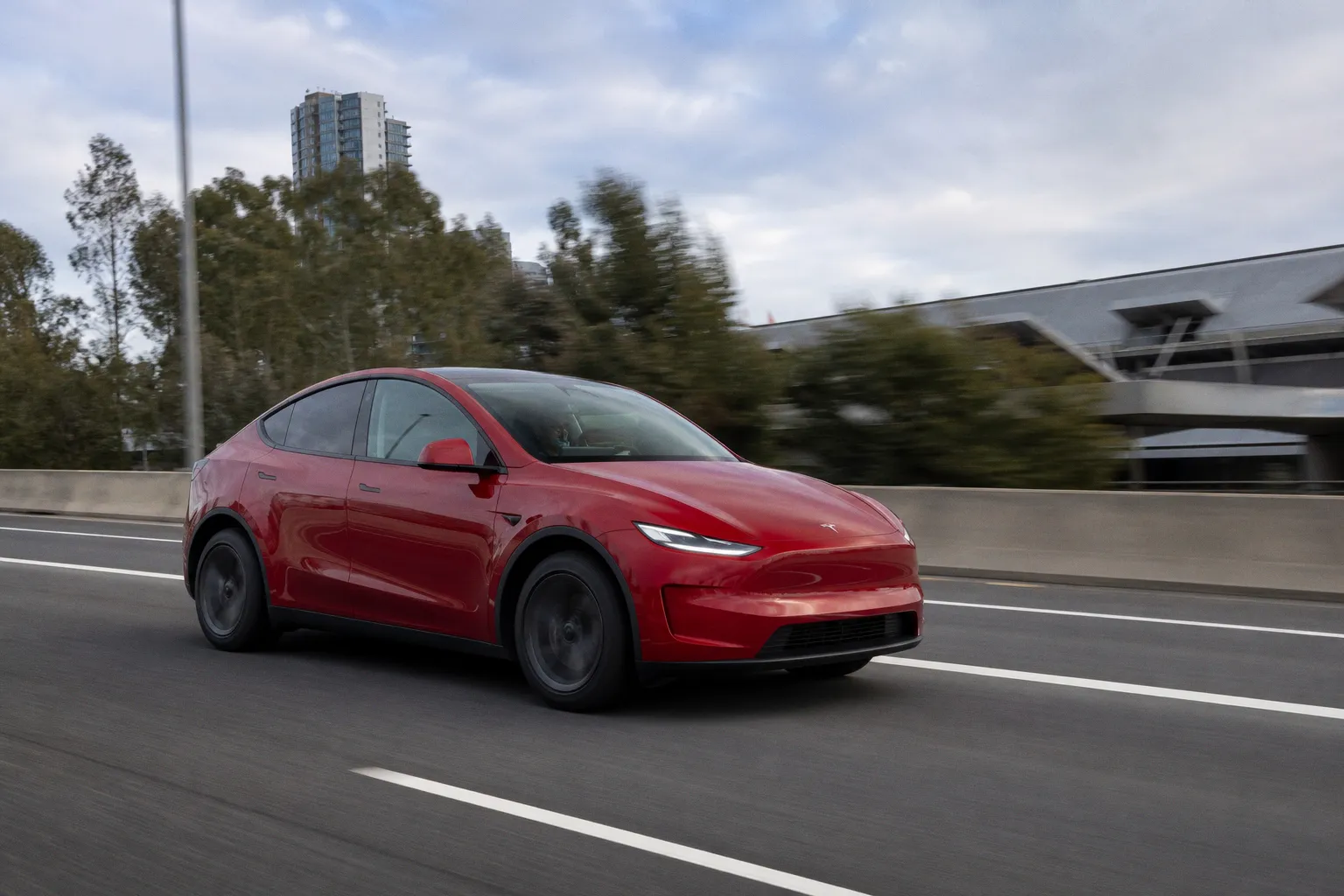
Chargers are moving faster than the sales narrative
The New York Times reports that U.S. EV sales are down while EV chargers are booming. With only the headline-level detail available, we should not pretend to know the scale of either trend. But the political meaning is already visible: infrastructure can keep advancing even when consumer adoption hits friction.
That matters for climate politics because charging networks are one of the material conditions that determine whether electrification becomes normal or remains a luxury product. A charger in the ground does not solve affordability. It does not fix dealership markups. It does not erase the uneven geography of U.S. transportation. But it does reduce one of the excuses used to slow-walk the transition.
The usual anti-EV script treats any dip in sales as proof that the whole project has failed. That is convenient for oil interests and austerity-minded politicians. It ignores the fact that infrastructure buildout is a long-game investment. Roads, fuel stations, grids, buses, ports — none of these systems appeared because “the market” politely requested them in quarterly increments. They were built through policy choices, public money, and political leverage.
California is using rebates as industrial policy
California is not waiting for that market mythology to sort itself out. Governor Gavin Newsom signed SB 168, creating a new instant zero-emission vehicle rebate program for first-time buyers. Starting later this summer, California families buying their first electric vehicle can receive $3,500 off at the dealership.
The rebate is tied to $135.5 million for the program, with an equal contribution expected from participating automakers. It sits inside a broader $600 million zero-emission vehicle investment agenda in the state’s 2026–27 budget. According to the state’s announcement, the package is funded through Cap-and-Invest revenue and smog-abatement fees.
Strip away the press-release combat and the structure is clear: California is trying to use public policy to close the affordability gap. That is the correct battlefield. EV adoption does not stall because working families suddenly developed a philosophical attachment to tailpipe pollution. It stalls when the sticker price, financing terms, charging access, and political uncertainty stack up against them.
The state also says it surpassed 2.5 million cumulative zero-emission vehicle sales in January, beyond its original goal of 1.5 million by 2025. It points to other transportation investments as well: a $1 billion rebate program for electric medium- and heavy-duty trucks launched in May, $500 million for 1,000 clean school buses announced in April 2025, and demand for zero-emission bus and truck incentives more than doubling year over year.
That is the piece too often missing from consumer-only coverage. Cars are visible, but fleets, buses, trucks, and trains shape pollution exposure at scale. If clean transportation policy stops at affluent early adopters, it becomes climate branding. If it targets school buses, freight, and affordability, it starts to look like public health policy.
Watch the cost shift
There is another signal in the background: BusinessGreen reports that a government has confirmed it will introduce a per-mile electric vehicle levy from 2028. The available snippet does not provide enough detail to assess the design, location, exemptions, or equity impact. But the policy direction is worth watching because mileage fees can either fund public infrastructure fairly or become another regressive charge dressed up as fiscal realism.
That is the core tension now. Governments want cleaner vehicles, but many also want to protect revenue streams built around combustion. Automakers want subsidies, but not always obligations. Households want lower operating costs, but cannot pay climate-transition costs upfront while wages and rents do what they do.
So the practical test is simple: who pays, who benefits, and who gets locked out?
For readers, the next move is not to cheer every charger or denounce every levy in isolation. Look at the structure. Are rebates instant, or do they require households to float money they do not have? Are automakers required to match public investment, as California’s program says participating companies will? Are funds aimed only at private cars, or also at buses, trucks, and school transportation? Are new fees offset for lower-income drivers, or are they another extraction mechanism?
EV sales may be down. Chargers may be booming. Both can be true. The transition is not failing because it is uneven; it is uneven because power keeps deciding whether climate policy should serve people first or balance sheets first.