Can Australia avoid the next round of the global energy crisis?
The mayday call from the Qatari LNG tanker Al Rekayyat — hit by a drone while trying to slip through the Strait of Hormuz in the dark with its transponders off — is not an isolated incident.
Harrison Lockwood, Lead Columnist on Systemic Justice & Climate Action·updated July 12, 2026
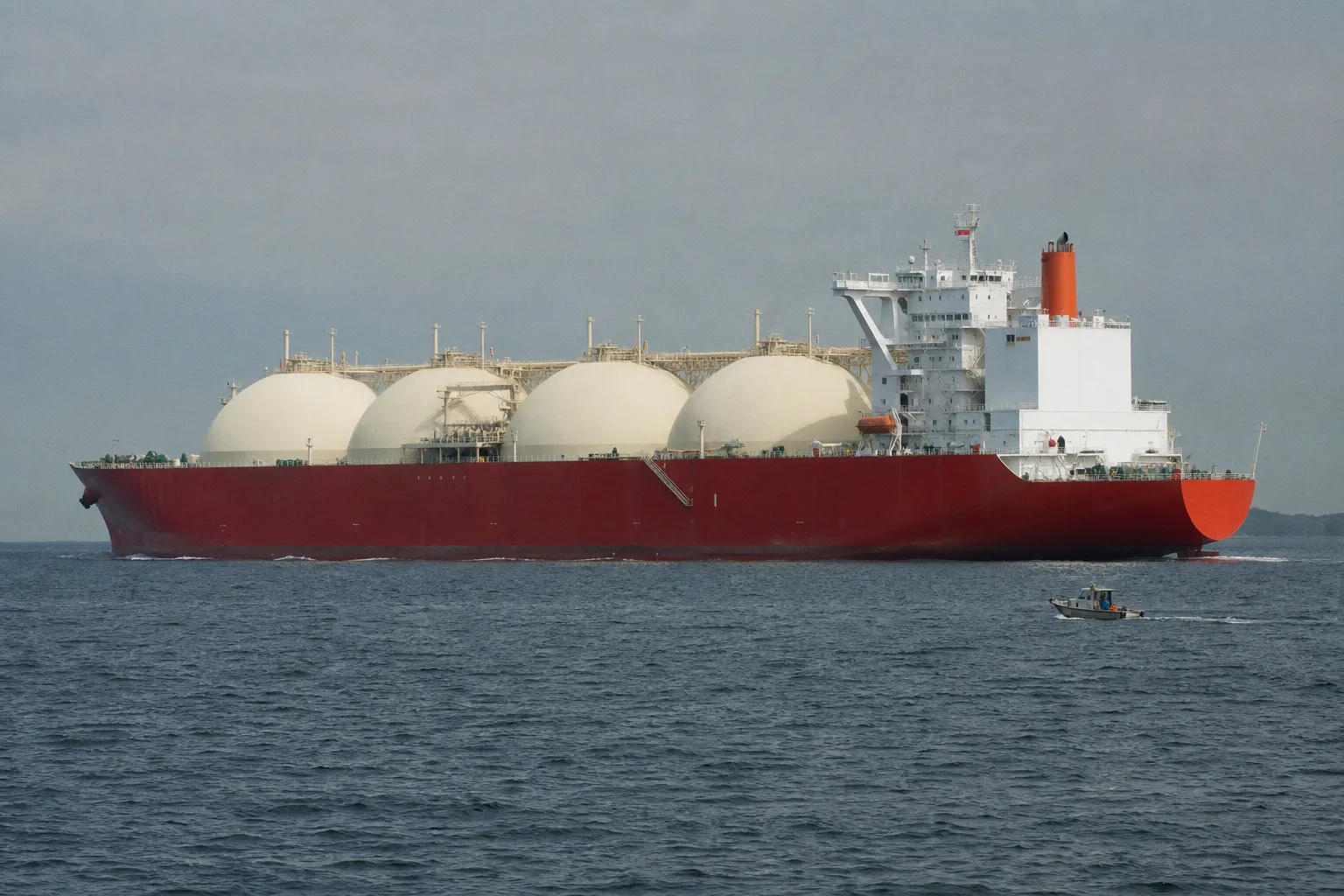
The Strait Is a Fuse, Not a Waterway
The Al Rekayyat was carrying 216,000 cubic metres of liquefied natural gas to India when it was struck, its engine room filling with smoke. There is no pipeline alternative for gas. When a tanker goes down or limps out of commission in the Strait of Hormuz, that supply is simply gone. Ships are already being diverted mid-voyage from Europe to Asia as desperate buyers outbid each other for any available cargo — a bidding war that punishes countries least able to absorb it. This is extraction logic at its purest: finite infrastructure, manufactured scarcity, and the highest bidder wins while everyone else scrambles.
Russia's Refining System Is Breaking — And the Fallout Is Global
The crisis isn't confined to the Persian Gulf. Ukraine's drone campaign has now hit over 76 Russian tankers and ships in six days, disabling an estimated 1.1 to 2.4 million barrels per day of refined product capacity. Russia has responded with full diesel and kerosene export bans, effectively pulling over a million barrels a day of refined fuel from global availability. The result: crude oil prices have actually eased from their $120 peak, but pump prices and refining margins remain stubbornly high because the refining system itself is fractured. This is what "second-order impacts" look like in material terms — higher costs for transport, agriculture, and manufacturing rippling outward from a war zone most Australians experience only as a headline.
Canberra's Windfall Is Built on Other People's Suffering
Here's what the budget optimists won't say aloud. Australia's expected LNG export boom — that $65 billion figure — is a direct product of war-driven scarcity in Asia and Europe. The federal government is not building resilience or diversifying away from fossil fuel dependency; it is leveraging a crisis for revenue. Meanwhile, those same high global prices feed back into domestic inflation, because Australia imports heavily across its broader economy. We saw this dynamic play out when Russia invaded Ukraine five years ago: east coast gas prices surged as exporters rushed to chase global spot prices. The structural incentives haven't changed. Exporters profit from crisis. Households pay for it twice — once at the utility meter and again through the cost of everything that moves by truck, ship, or rail.
The US, Japan, and South Korea are now coordinating on small modular reactor exports as a long-term play to reshape global energy dependence. Whether that materialises into real capacity or becomes another greenwashing pipeline for private capital remains to be seen. But at least the conversation is happening at the level of infrastructure and structural alternatives.
Australia, meanwhile, sits on some of the world's largest gas reserves and renewable potential, governed by a political class that treats the climate crisis as a revenue opportunity rather than an emergency. The Al Rekayyat didn't just catch fire in the Strait of Hormuz. It exposed the material conditions of a global energy system built on extraction, chokepoints, and the assumption that someone else will always absorb the cost. We know who that someone is.