France warns against weaker climate targets for cars as EV sales surge
France is drawing a line in the carbon accounting, warning its EU partners against caving to pressure to weaken the bloc's vehicle emissions targets just as the electric transition finally shows concrete momentum.
Harrison Lockwood, Lead Columnist on Systemic Justice & Climate Action·updated June 28, 2026
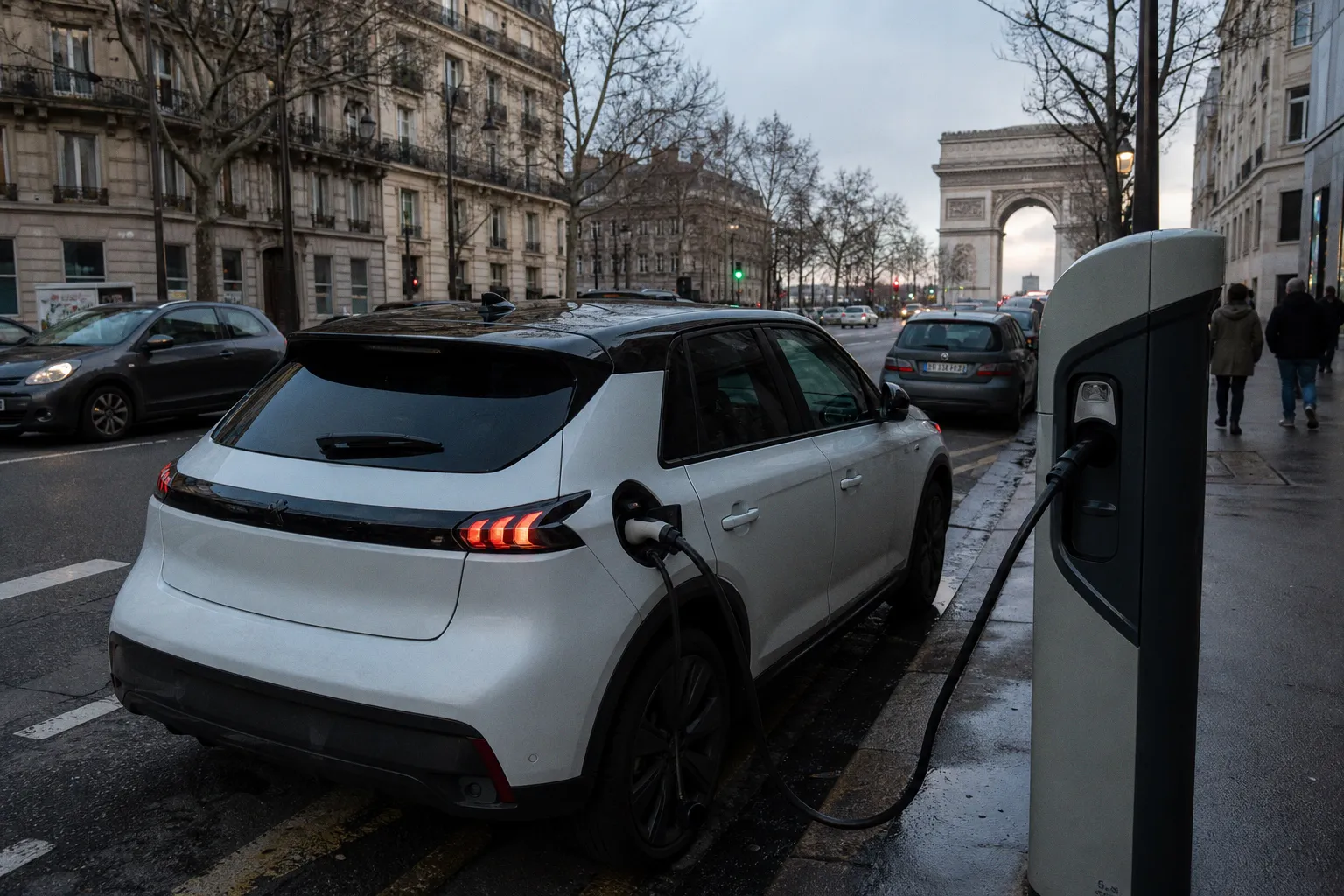
The Regulatory Fight Over the 2035 Target
The core of the conflict is the EU's de facto 2035 deadline to end sales of new internal combustion engine cars. This target, years in the making, is now in the crosshairs of a lobby arguing the transition is too costly and too fast. France's intervention is significant because it uses the lobby's own supposed evidence—rising EV sales—against them. The argument is brutally simple: the regulation is working, creating the market certainty that drives investment and adoption. To weaken it now would not be a "realistic adjustment" but a capitulation that injects chaos into the very supply chains the policy was designed to stabilize.
The Corporate Playbook on Display
What we're witnessing is the classic extraction-industry maneuver: secure a binding, long-term policy goal, then once capital is partially reoriented, argue the timeline is "unrealistic" to lock in existing infrastructure and delay full phase-out. The warning from Paris exposes this. It points to the surge in EV sales not as a reason to relax, but as proof the policy lever is exerting the intended force. To reward that success by loosening the target would be to declare the race over halfway through, guaranteeing we don't meet the finish line. It's a demand to change the rules of a game the industry is starting to lose.
What This Means for Systemic Climate Action
This is more than a transport policy squabble. It's a structural test of whether the European Green Deal's binding measures have any durability against immediate profit pressures. A weakened car target would send a catastrophic signal across every hard-to-abate sector: that committed timelines are negotiable once capital protests. France is positioning itself as the counterweight, arguing that regulatory certainty is the bedrock of a just transition, not its enemy. The material stakes are clear: either we hold the line on systemic decarbonization deadlines, or we concede that all targets are temporary, subject to revision the moment they bite into the logic of endless extraction.