World Court just ruled countries can be held liable for climate change damage – What does that mean for US?
The International Court of Justice has now said the quiet part in legal language: countries have obligations to prevent climate harm, and failure can carry responsibility for damage to communities and ecosystems.
Harrison Lockwood, Lead Columnist on Systemic Justice & Climate Action·updated July 12, 2026
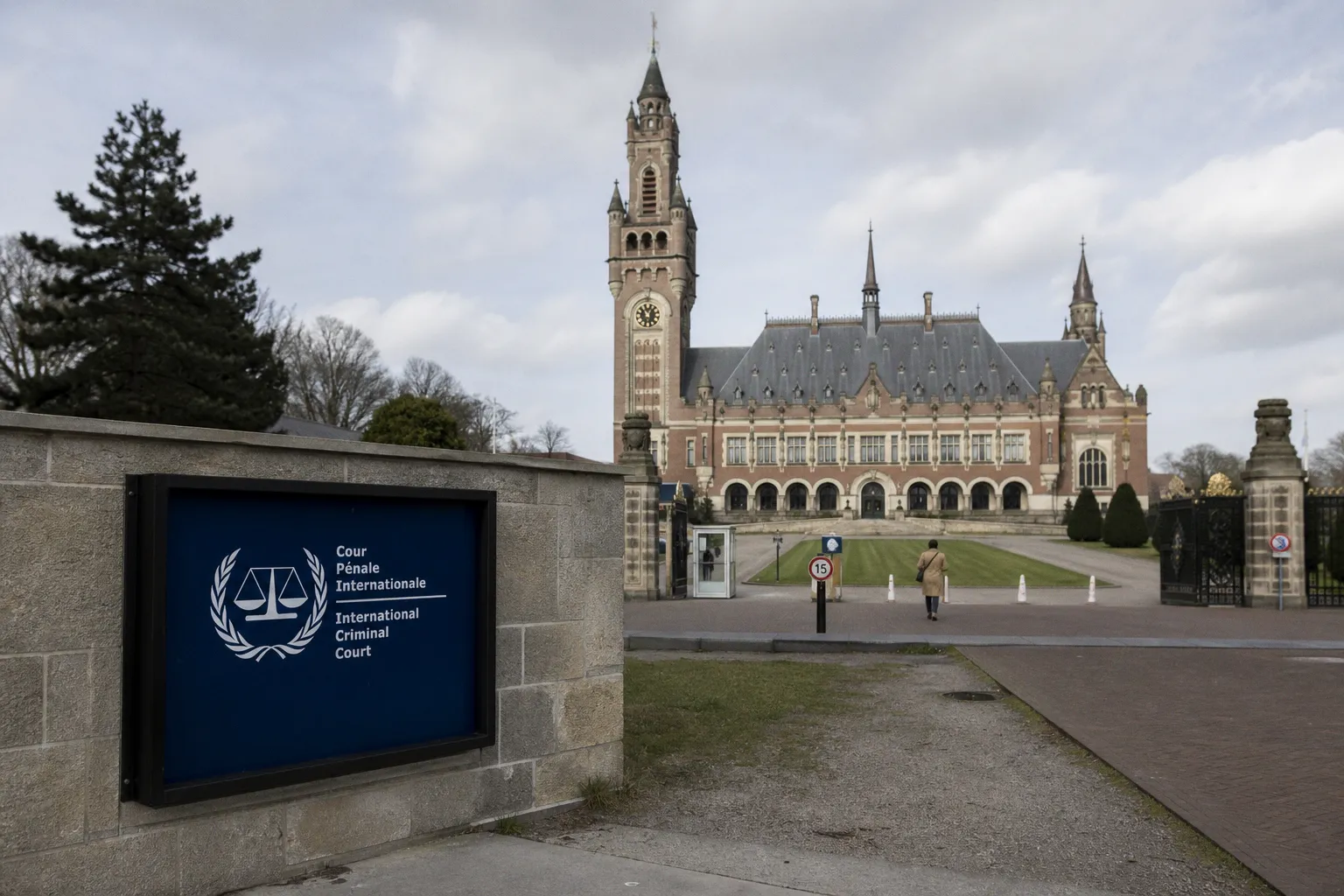
The ruling changes the terrain, even where it does not settle the fight
The World Court’s advisory opinion says countries must uphold existing international laws related to climate change and protect the climate from harm. If they fail to act, the court said, they could be held responsible for damage to communities and the environment.
That matters because climate politics has long operated on a brutal asymmetry: those with the least historical responsibility often face the sharpest material consequences. The source account points to Pacific and Caribbean island states including Vanuatu, Tuvalu and Barbados as among the most vulnerable to climate change while contributing little to global emissions. The push for the opinion came after years of grassroots and youth-led organizing by Pacific Islanders.
This is not a small procedural footnote. It shifts climate damage from the realm of “unfortunate disaster” toward the realm of legal responsibility. That does not erase the power imbalance between wealthy states and vulnerable ones. It does, however, gives those states more leverage to assert rights and seek reparations for past and ongoing climate-related harm.
For the U.S., the immediate legal effect remains murky
The key phrase for U.S. readers is not “case closed.” It is “less clear.”
The Eastleigh Voice account notes that while the ruling is a major global development, its legal effect on the United States is uncertain. That ambiguity is exactly where power likes to hide. A non-domestic advisory opinion does not function like a direct order to Congress or a bill arriving on the president’s desk. But it can still shape the legal and political field: claims, arguments, diplomatic pressure, and the way courts and governments talk about climate duty.
Inside the U.S., climate liability is already being fought through domestic litigation. One source points to Suncor Energy v. Boulder County, a Supreme Court climate case involving efforts to hold energy producers financially responsible for alleged climate-change consequences. The opinion cited in that source attacks such lawsuits as “legislating through litigation” and argues that Colorado is trying to use state tort law where federal environmental law already sets standards.
That framing deserves scrutiny. Industry and its defenders often invoke “patchwork regulation” when local communities try to recover costs from damage they did not create alone and cannot absorb alone. The question underneath is not abstract federalism. It is who pays: the public, through austerity and repair bills, or the producers and governments that helped build the conditions for the loss.
What we should watch now: liability, science fights, and the repair bill
The next phase will not be clean. Expect every fight over climate liability to become a fight over evidence, jurisdiction and modeling.
The AOL opinion highlights one such battlefield: climate damage projections. It argues that some lawsuits rely on assumptions about future emissions, temperatures and economic impacts, and points to debate over the RCP8.5 scenario after an international group working on the next IPCC assessment framework reportedly excluded an RCP8.5-like pathway from its framework scenarios. The source frames that as a reason to reassess damages in climate cases.
That does not negate the basic reality that emissions carry consequences — even the cited opinion acknowledges that serious people can recognize that point. But it does show where the legal trench warfare is headed. Defendants will challenge the models. Plaintiffs will try to prove costs, causation and responsibility. Courts will decide how much uncertainty polluters can weaponize before uncertainty becomes impunity.
Meanwhile, the damage is not theoretical. CTV News reports that extreme heat is damaging infrastructure across Canada, with experts urging proactive investment in climate-resilient public works to avoid billions in annual repair costs. That is the material condition behind the courtroom language: roads, grids, public systems, municipal budgets, and people living with the bill.
So what should readers do with this ruling? Track whether governments treat the ICJ opinion as a legal warning or as diplomatic wallpaper. Watch the U.S. Supreme Court fight over climate liability. Follow local budgets for climate-resilient infrastructure, because that is where global inaction becomes your tax bill, your blackout, your flooded road.
The World Court has not delivered climate justice. It has removed one more excuse from the powerful. Now we see who keeps using it anyway.