Aid cuts leave at least one million women and girls without vital support
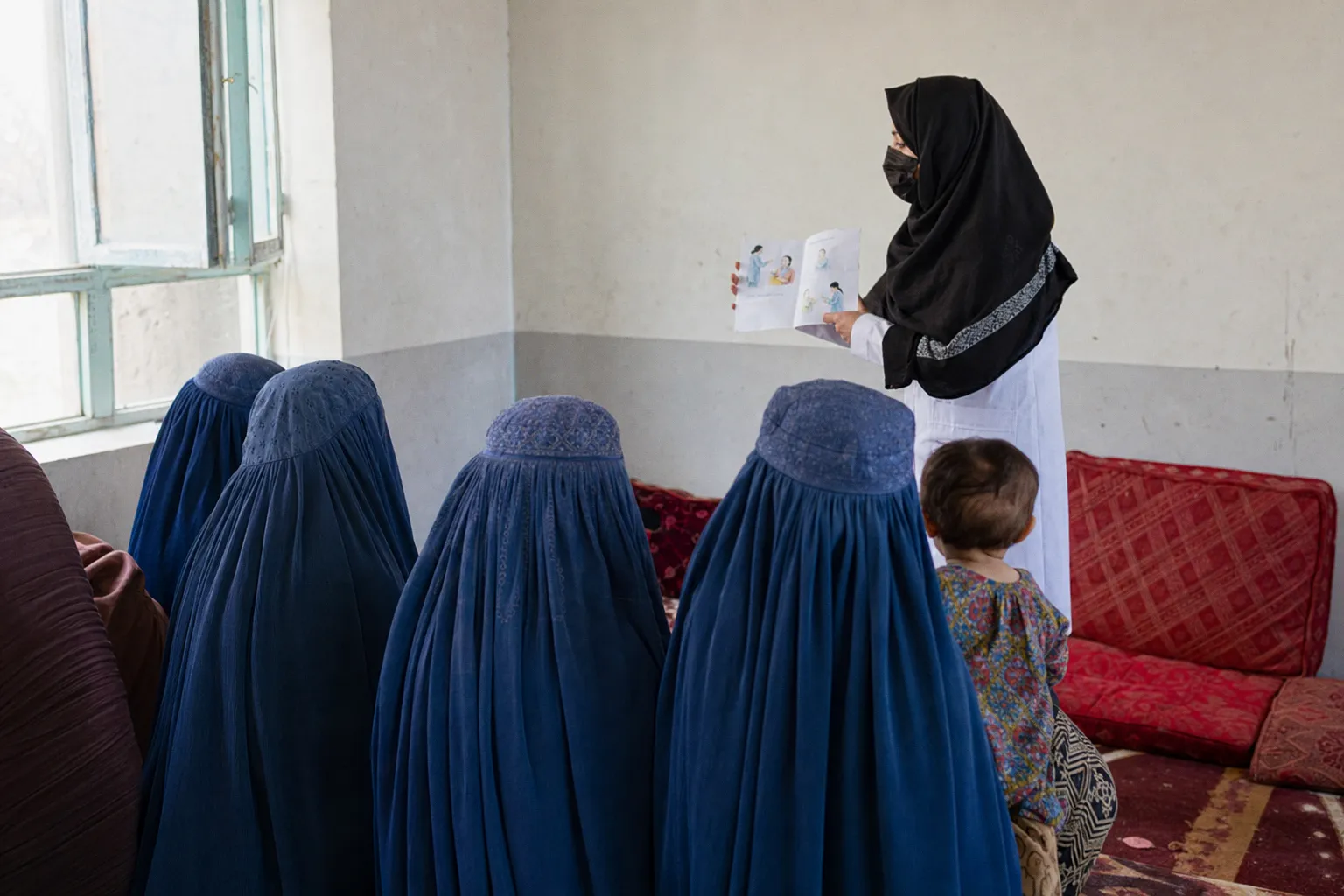
Over a million women and girls have been stripped of critical humanitarian support since the start of 2025, according to UN Women.
Harrison Lockwood, Lead Columnist on Systemic Justice & Climate Action·updated July 11, 2026
The arithmetic of austerity
UN Women's assessment is specific: aid cuts since January 2025 have left more than one million women and girls without access to the humanitarian services they depended on. That number tracks only what the agency can document through its networks. The real figure — the women and girls never reached by any program, never counted on any registry — is almost certainly larger. When aid budgets contract, the first services to disappear are invariably those serving people who generate no political friction: women in conflict zones, girls in displacement camps, survivors of gender-based violence in communities where reporting itself is dangerous. This isn't collateral damage. It's the predictable, structural outcome of a system that treats humanitarian funding as discretionary rather than obligatory.
What disappears when budgets shrink
Every dollar cut from aid doesn't vanish abstractly — it closes a clinic door, defunds a crisis counselor, eliminates a safe house bed. UN Women's reporting makes clear that the reductions are accelerating gender-based violence and deepening service gaps simultaneously. These two outcomes feed each other: fewer services mean fewer safe pathways for survivors, which means more unreported violence, which makes the crisis easier for donors to ignore. The feedback loop is vicious and self-reinforcing.
What compounds the harm is the near-total absence of sustained public attention. The infrastructure that should translate these facts into political pressure is itself under siege. Public libraries and community information hubs — one of the few remaining spaces where people without digital subscriptions or institutional access can encounter independent reporting — face their own funding crises. When austerity hollows out both the services and the mechanisms meant to hold power accountable for cutting them, the people bearing the cost become invisible twice over.
What to watch
The one million figure is a floor, not a ceiling. Track which donor governments are quietly scaling back commitments — not with press releases but with disbursement data. Watch how UN agencies frame these gaps: whether they name the governments responsible or retreat into euphemism about "funding challenges." And pay attention to local organizations filling the void, the grassroots networks absorbing the shock when international funding evaporates. They are doing the work with almost nothing, and they will not survive another round of cuts without structural change in how the global North finances its stated commitments. The women and girls already cut off from support can't wait for donor priorities to realign on their own. They never have.