Human Rights Council concludes its 62nd session with action on country crises
The UN Human Rights Council wrapped its 62nd session last week with 28 resolutions — 25 adopted by consensus — on everything from Myanmar accountability to judicial independence to climate-related disasters.
Harrison Lockwood, Lead Columnist on Systemic Justice & Climate Action·updated July 11, 2026
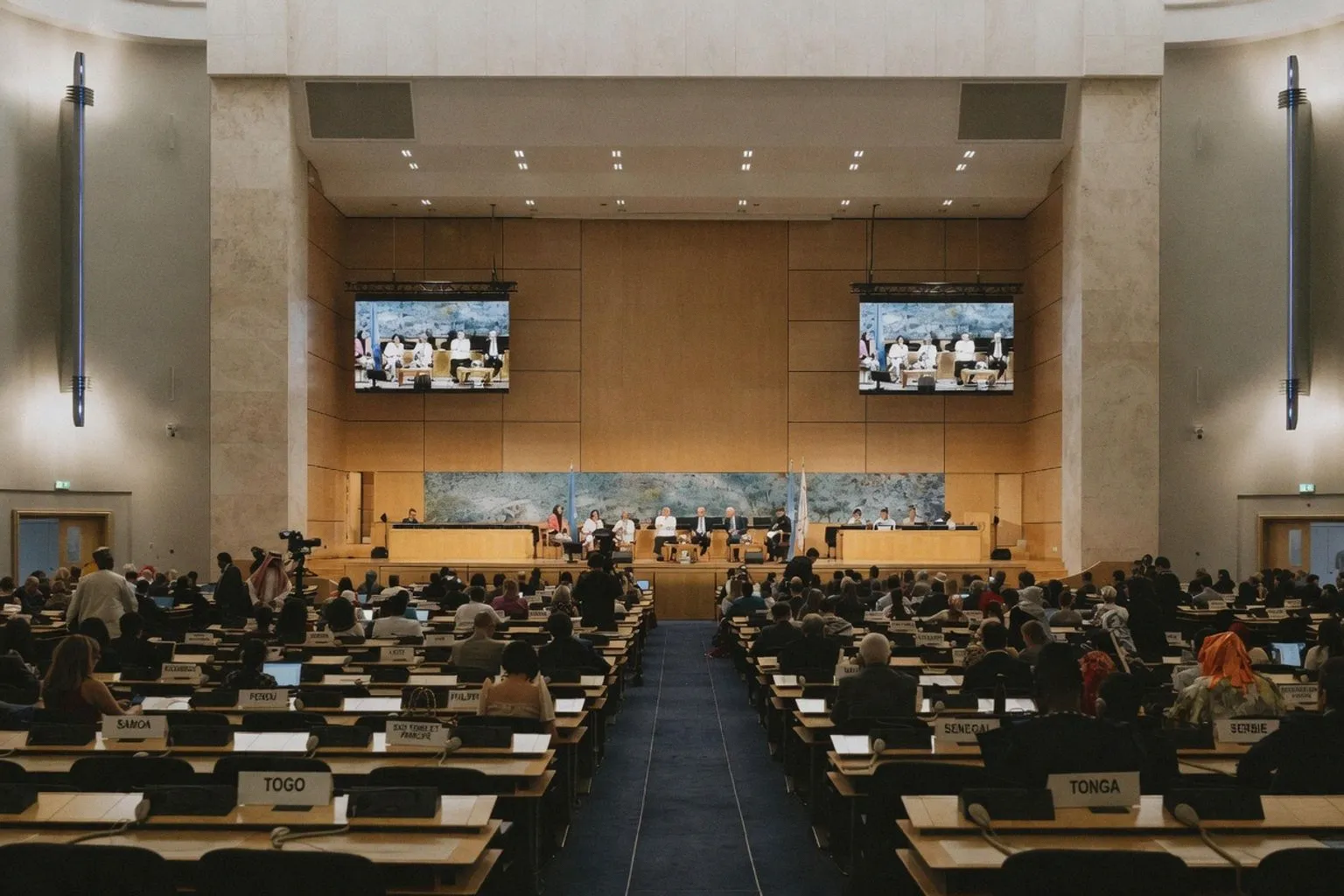
The Council Names the Crisis — Then Skips the Sponsor
The Sudan resolution is real procedural work: the Council tasked its already-established International Fact-Finding Mission to urgently investigate violations and abuses in El Obeid, where civilians have endured siege-like conditions for 18 months under relentless drone strikes as the Sudanese Armed Forces and the Rapid Support Forces battle for control. The High Commissioner for Human Rights called it "another human rights catastrophe." The resolution denounced, in the abstract, external support to the conflict — including the deployment of foreign forces and the supply of weapons such as drones. But, as the International Commission of Jurists flagged, the Council "worryingly failed to explicitly name those external actors," including the United Arab Emirates, whose support to the RSF has been well-documented. A fact-finding mandate without named complicity is structural theatre: it investigates the battlefield while shielding the arms pipeline that sustains it.
Washington's Extraction Machine Runs in Parallel
Meanwhile, the US — a Council member with significant diplomatic leverage — is operating what Amnesty International calls a "mass detention and deportation machine" that outsources its own obligations under international law. Eleven more people arrived in Eswatini on 8 July. Several reportedly held protection under the Convention against Torture, granted by the United States before being transferred anyway. Amnesty's regional director put it plainly: "The United States cannot 'country shop' to be able to implement its racist mass deportation against people who have already been granted protection." At least thirteen African states have received or agreed to receive third-country nationals under similar externalisation arrangements. This is not an aberration; it is policy architecture designed to place legal accountability beyond any single jurisdiction's reach.
What the 25-of-28 Consensus Number Actually Tells Us
Twenty-five resolutions without a vote sounds like consensus. In practice, consensus on thematic issues — judicial independence, healthcare in armed conflict, the rights of women and girls — often means the lowest common denominator: language everyone can nod at while changing nothing structurally. The Council's 20th anniversary framing celebrates "agility in combining prevention, monitoring, investigation and accountability." But prevention requires naming power, monitoring requires access, and accountability requires enforcement mechanisms that the Council simply does not possess. The Sudan resolution demonstrates the gap: investigate the violence, but leave unnamed the states fuelling it. The reproductive violence recognition is genuinely significant — a new category in UN language that could anchor future advocacy. But recognition without enforcement is a legal footnote.
What to Track From Here
Three threads demand sustained pressure. First, the Fact-Finding Mission's El Obeid investigation: will its terms of reference allow it to trace weapons supply chains and name external state actors, or will political constraints narrow the scope? Second, the US-Eswatini pipeline: Amnesty has documented at least thirteen African states participating in similar arrangements — watch for expansion and for any legal challenges in receiving states' courts. Third, the reproductive violence language: watch how advocates operationalise that recognition in national legislation and in the next cycle of Universal Periodic Reviews. Language without material conditions attached is just ink.
The Council did its procedural work. The machinery of complicity — drone supply chains, deportation outsourcing, consensus resolutions that dodge the hard names — continues uninterrupted. Structural critique starts with noticing that gap.