AI data center power demand strains global energy systems
A $67 billion utility merger doesn't happen because executives suddenly care about efficiency.
Harrison Lockwood, Lead Columnist on Systemic Justice & Climate Action·updated July 10, 2026
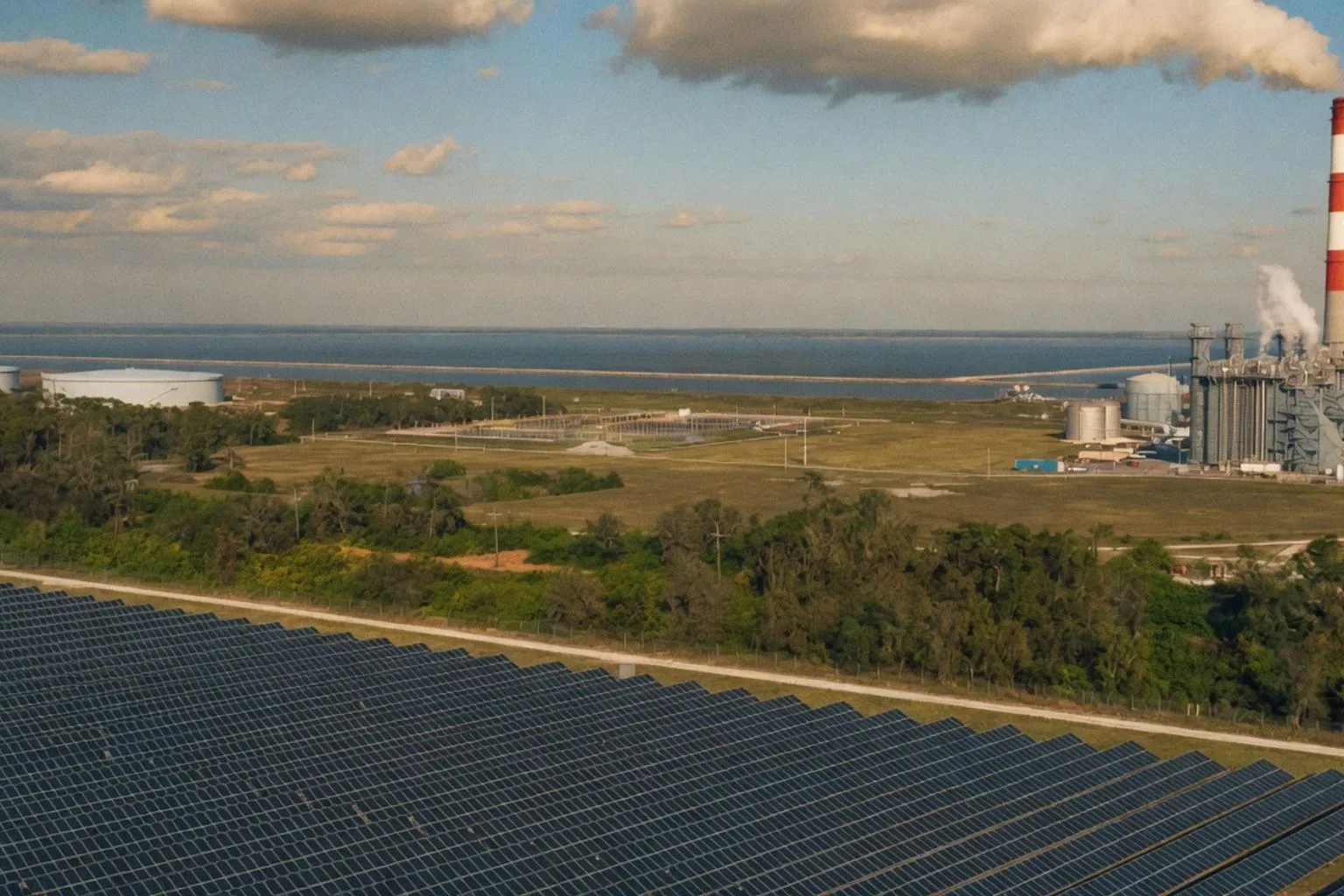
The Money Follows the Machine
The financing tells us everything. This isn't a cash deal. NextEra is leveraging debt to absorb Dominion's Virginia footprint precisely because hyperscalers—Amazon, Microsoft, Google—are flooding corporate bond markets with issuance to fund their own expansion. Bloomberg's latest market analysis traces how this debt surge is now bending interest rate curves across sectors. The extraction chain is clear: tech platforms demand unprecedented power, utilities restructure to supply it, and debt markets absorb the risk. We're watching a structural transition from cash-funded capital expenditure to debt-financed infrastructure buildout, and the complicity of financial institutions in that shift is total.
The Virginia corridor alone now functions as the load center for global AI operations. Dominion's grid assets aren't being acquired for their legacy business. They're being acquired for proximity to fiber, water, and political permission to build without friction. Mid-to-late 2027 is the regulatory timeline for approval—expect that window to become a lobbying battlefield.
The Demand Paradox Nobody Wants to Name
Here's the contradiction the energy sector won't resolve cleanly: global oil demand is expected to fall in 2026, per a major energy agency forecast this week, even as total electricity consumption from AI infrastructure accelerates. The fuel mix is shifting, but the consumption ceiling isn't dropping—it's being redrawn entirely. Energy companies positioned at the intersection of natural gas, grid modernization, and data center supply chains are already benefiting from this realignment.
The framing that this is simply a "green transition" collapses under scrutiny. What we're witnessing is demand displacement, not demand reduction. AI's appetite doesn't replace extractive energy systems; it creates new ones while older ones pivot to serve it. Even platforms marketing AI as educational infrastructure—Samsung, for instance, promoting AI-powered teacher tools at ISTE—depend on this same energy-intensive backend, a material reality their messaging carefully omits.
What We're Actually Watching
This isn't a tech story. It's an energy story wearing a tech costume. The consolidation of utility assets around AI demand will accelerate through 2027, and communities adjacent to these buildouts—water tables, land use, local grids—will absorb the externalities while shareholders capture the upside. The debt-financed model means taxpayers and ratepayers are downstream of any correction.
We should be tracking three things: which hyperscalers issue new bonds in the next quarter, the Dominion merger's regulatory hearings, and whether any energy agency revises demand projections upward before year-end. The structural direction is set. The question is whether material resistance—regulatory, local, political—can reshape its trajectory before the infrastructure locks in.