5 Takeaways From Our Investigation Into a Secretive System That Undermines Climate Action
Over 3,200 leaders gathered at London's Guildhall last week for the Climate Innovation Forum 2026, celebrating "partnerships" and "ambition." Meanwhile, Inside Climate News published an investigation…
Harrison Lockwood, Lead Columnist on Systemic Justice & Climate Action·updated July 09, 2026
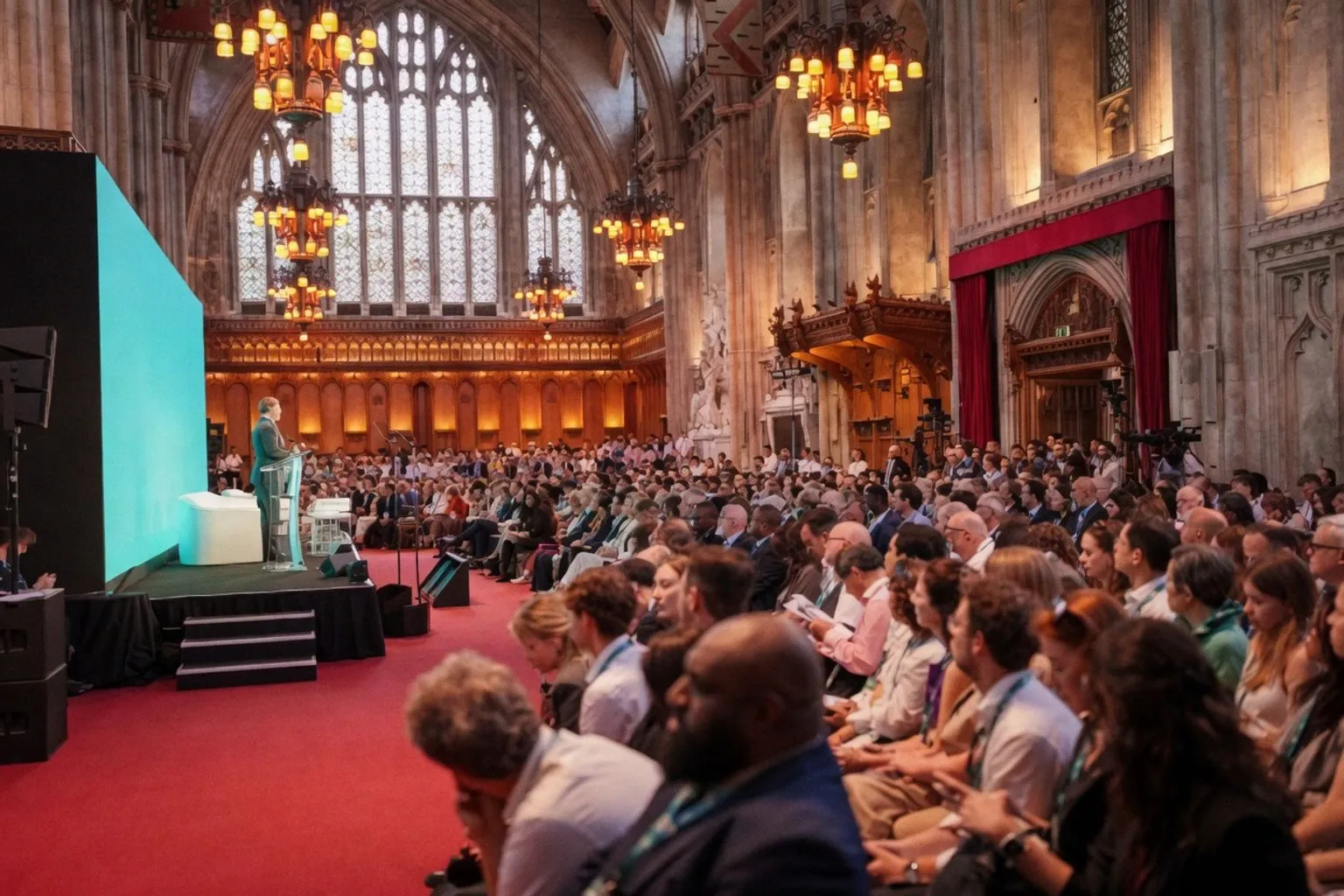
Over 3,200 leaders gathered at London's Guildhall last week for the Climate Innovation Forum 2026, celebrating "partnerships" and "ambition." Meanwhile, Inside Climate News published an investigation exposing what it calls a "secretive system" actively undermining climate action. The timing is not ironic — it's structural. When the same class of actors promising implementation are being called out for obstruction, we need to ask who actually benefits from the gap between summit rhetoric and material outcomes.
The Forum's Script: Electrification as Competitiveness
The dominant narrative at Guildhall was unmistakable: climate action repackaged as economic self-interest. Murat Kurum, COP31 President-Designate and Türkiye's environment minister, pushed the Presidency's "35x35" target — an acceleration of electrification across transport, buildings, and industry. UK Climate Minister Katie White framed clean energy as a hedge against "geopolitical instability" and "volatile fossil fuel markets." Electrify Britain's Camilla Born called for faster electrification to "reduce bills" and "strengthen domestic energy security."
Notice the language: not emissions cuts, not justice, not survival. Bills. Security. Competitiveness. This is climate policy laundered through market logic — the same logic that created the extraction economy in the first place. Rachel Kyte, the UK's climate envoy, pushed further, arguing that investment in infrastructure and communities must be seen as "economic strength" rather than cost. Fine words. But strength for whom? The 3,250 delegates at a closed industry forum, or the communities already living the material conditions of climate collapse?
What's Being Hidden — and Who's Hiding It
Inside Climate News' investigation into a "secretive system" undermining climate action landed the same week these leaders were pledging transparency and speed. We don't yet have the full details — the outlet promises a five-part breakdown — but the framing alone is damning. A system. Not a loophole, not a bad actor, but an architecture of obstruction, operating in the shadows of the very institutions claiming to lead.
This is the structural critique mainstream climate coverage avoids. We get summit communiqués. We get pledges. We get forums where the word "implementation" appears fourteen times in a keynote. What we don't get is an honest accounting of the leverage points being used — by whom, against whom — to keep the extraction economy running while the language of transition gets louder.
What We're Watching
The gap between the Forum's optimism and the investigation's exposure is the story. COP31 in Antalya is approaching, and the Presidency wants "everyone prepared and ready" to make it a success. But prepared for what? Another round of targets that existing power structures have no incentive to meet? The real question isn't whether electrification targets are ambitious enough. It's whether the systems resisting them will be named, dismantled, or simply rebranded. Inside Climate News is pointing at something the Guildhall crowd would rather not discuss. We should be paying attention.