International Climate Finance Strategy 2026
On June 22, the UK government published its fourth international climate finance strategy. Three days earlier, the UN climate talks in Bonn closed in collapse.
Harrison Lockwood, Lead Columnist on Systemic Justice & Climate Action·updated June 22, 2026
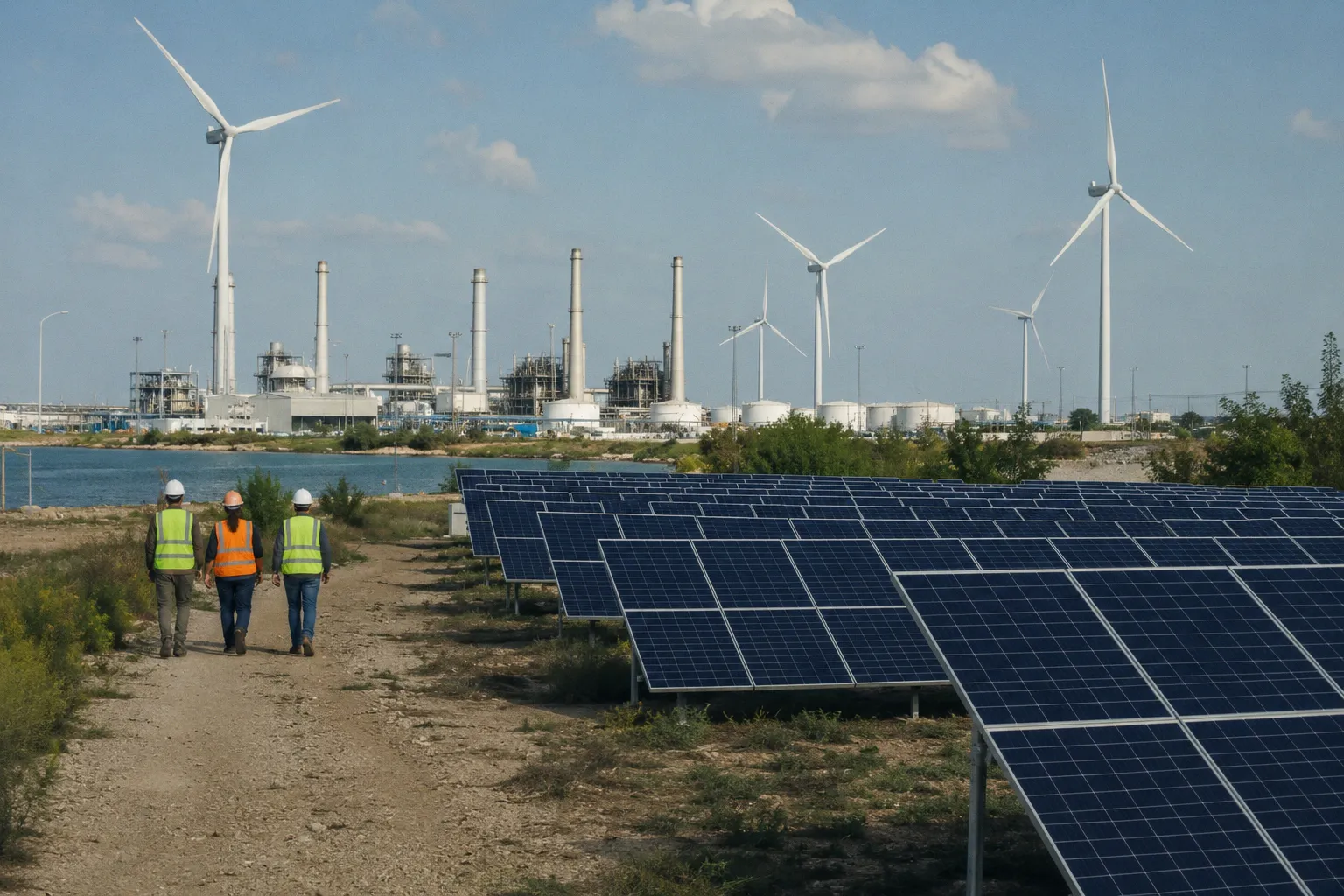
The Strategy, Stripped of Envelope
The UK government's document promises to strengthen resilience against climate shocks and support emissions mitigation through four stated priorities: technical assistance, capacity building, investment, and a framework to help developing countries confront climate shocks. We have not yet seen the headline funding number, the instrument mix, or the timeline that would distinguish this strategy from its three predecessors. Until those material conditions surface, this is choreography, not commitment. Climate finance strategies exist, in part, to demonstrate that something is being done — and the UK's record of hitting its own commitments is patchy enough that a paper without numbers is, at best, an aspiration with a cover photo.
Bonn's Gridlock, Written in Brackets
The Bonn negotiations ended with diplomats failing to reach consensus on adaptation finance and emissions reduction targets, deferring meaningful work to COP31 in Antalya. The fault line was visible. Developing countries — the African Group, AOSIS, least developed countries, Latin America's AILAC, the G77 and China — arrived demanding that the text on the Global Goal on Adaptation explicitly include the tripling of adaptation finance by 2035, a target agreed in principle at COP30 in Belém. Canada, Norway, and Japan opposed the reference. The language now sits only in brackets — literally bracketed, technically unresolved, politically frozen.
The number underneath the fight is not abstract. Earlier drafts of the Belém text referenced 2025 as the baseline, anchored to the $40 billion adaptation finance goal set at COP26. A tripling from that floor yields roughly $120 billion annually by 2035. That sum is the difference between seawalls that hold and coastlines that don't, between harvests that survive drought and governments that spend their budgets on emergency relief. Wealthy capitals blocked language that would have made the target legible — because making it measurable makes non-delivery auditable.
Who Stalls, Who Pays, What to Watch
The pattern is structural, not accidental. Canada, Norway, and Japan — countries with the fiscal capacity and the historical emissions debt — treated adaptation finance as a negotiating concession rather than an obligation. They wanted flexibility on what counts, who counts it, and from which baseline. Meanwhile, fossil-fuel interests were flagged by delegates for running "coordinated attacks" on the science underwriting the entire process. The UK's strategy lands inside that vacuum without clarifying whether its architecture will be grant-based — what vulnerable countries actually need — or whether it will lean further into the leveraged private investment model that has repeatedly delivered far less than promised.
What we track next: whether the UK strategy names a new public finance floor with hard figures; whether the COP31 adaptation text survives contact with the Canada-Norway-Japan axis; and whether the "just transition mechanism" — the only tangible outcome from Bonn — gets hollowed out before it reaches Antalya. The money is the test. Everything else is narrative.