Extreme Weather System Plunges One Million North Americans into Darkness
One million people plunged into darkness—not by a single dramatic hurricane, but by a cascading, predictable failure of the systems we rely on.
Harrison Lockwood, Lead Columnist on Systemic Justice & Climate Action·updated July 10, 2026
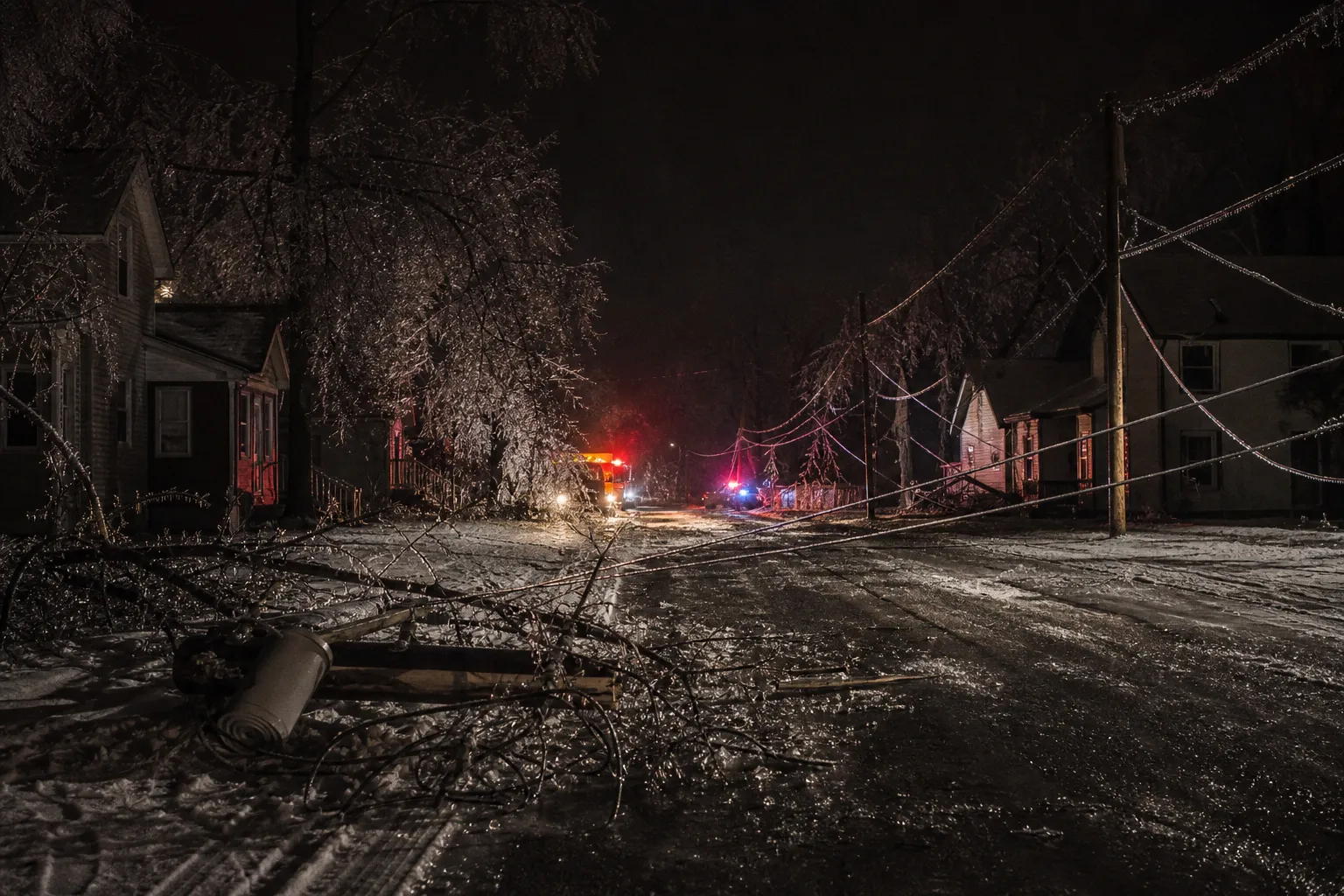
The Grid Snapped Like a Twig
The immediate culprit was a ferocious, record-breaking storm system supercharged by a lingering atmospheric dome. Straight-line winds, or a bow-echo formation, hit speeds of 104 km/h at Toronto-Pearson, snapping utility poles and uprooting trees. In Ottawa, rainfall shattered all historical records for July, with 111mm falling in 24 hours, crushing the previous 2017 high of 79mm. The scale of the grid collapse is staggering: Hydro One alone saw peak outages for 170,000 customers, while cross-border utilities in Michigan, Pennsylvania, and New York managed the remaining 830,000 darkened homes. The system’s vulnerability was exposed in its design: power lines suspended above ground in forested corridors, primed to fail under flying debris.
A Crisis Compounding a Crisis
The blackout did more than cancel Canada Day fireworks. It created an immediate, localized humanitarian emergency. For residents like 90-year-old Leonard Lesser in rural Dorchester, the loss of grid power means the loss of running water, as pumps fail. With interior temperatures soaring past 28°C without air conditioning, vulnerable populations face acute risk. The economic damage is material and mounting, projected to exceed $450 million in immediate retail losses and emergency overtime across the affected regions. This is the cost of our complicity in systems that prioritize profit over resilient, decentralized power.
The Forecast We Can No Longer Ignore
This is not an isolated incident. It is a symptom of an accelerating pattern. As global ocean surface temperatures hit a historic high in June, the UN confirmed a rapidly strengthening El Niño is driving these anomalies. A researcher at the European Centre for Medium-Range Weather Forecasts stated they’ve never seen a forecast for an "extreme event" like this confirmed by so many models. The planet’s climate feedback loops are firing, and our critical infrastructure, built for a stable climate that no longer exists, is failing the stress test. We are not watching a freak event; we are watching the material conditions of extraction and austerity come due.