LIFE Turn to e-circular wins LIFE Award for Circular Economy and Quality of Life
More than 10 million tonnes of electrical and electronic waste are dumped across the European Union every single year, while less than 3 percent of these discarded devices are ever reused.
Harrison Lockwood, Lead Columnist on Systemic Justice & Climate Action·updated June 22, 2026
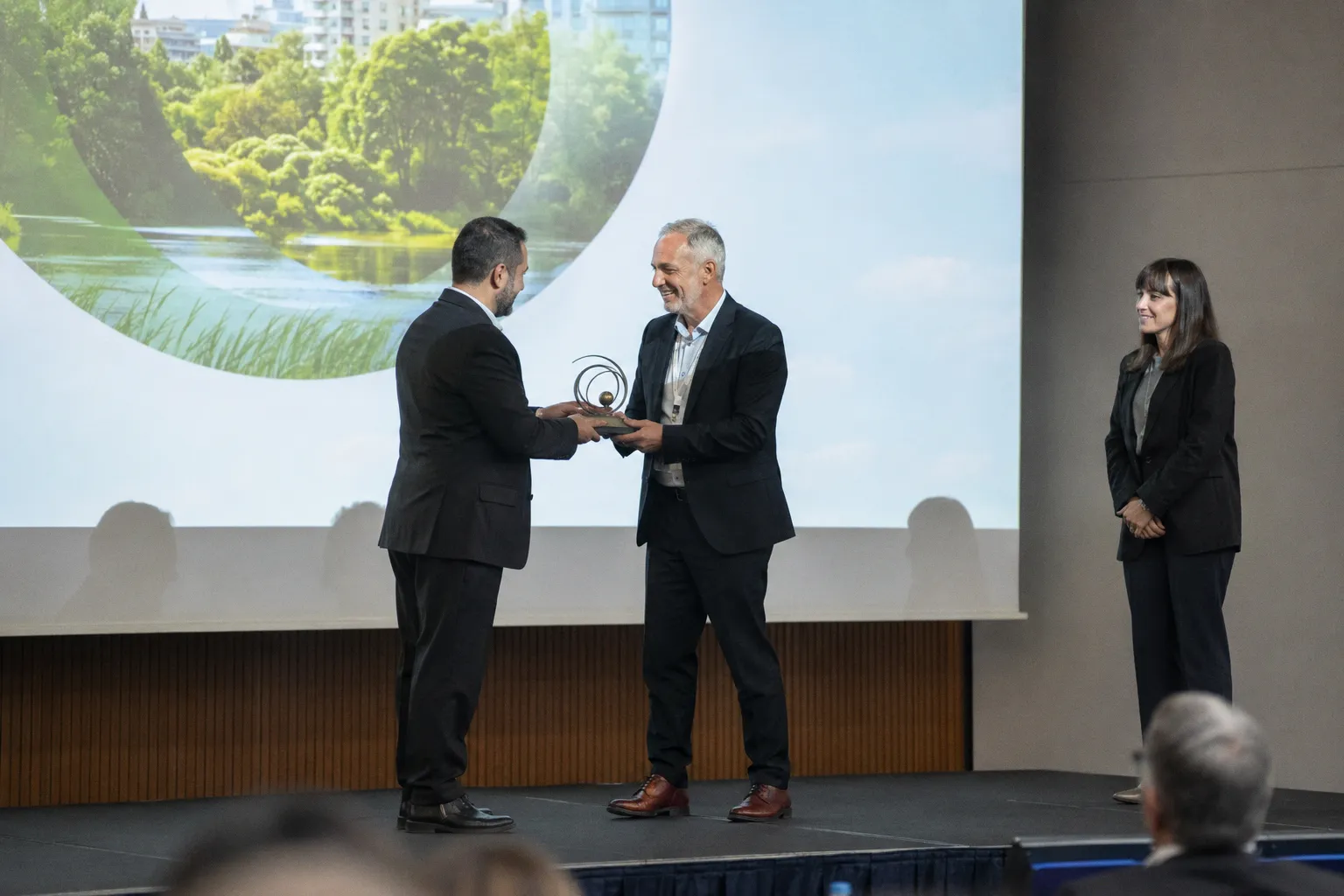
The Material Reality of Slovenian Repair
The five-year, €2.2 million "LIFE Turn to e-circular" project, which concluded its active phase in 2024, targeted the fastest-growing waste stream in the EU by building physical infrastructure where capital had left none. Under the slogan "I'm Still Useful," the project established 66 dedicated "reuse corners" across Slovenia, allowing residents to divert unwanted but functional electronics away from the dump and into refurbishment pipelines. The initiative did not rely on corporate goodwill; instead, it deployed a mobile repair van to service worn-out appliances, set up 53 repair workshops, and established 13 repair cafés to rebuild local technical capacity.
By the time the project closed, this localized network had saved 247 tonnes of electronic equipment from landfills, preventing an estimated 1,835 tonnes of greenhouse gas emissions—a reduction roughly equivalent to taking 70 city buses off the road for a year. Furthermore, the project team produced 102 instructional YouTube videos under the title Itak, da se da! (Sure, you can!) to democratize repair knowledge, directly challenging the proprietary repair monopolies that manufacturers use to force consumers into constant repurchase cycles.
Legislative Leverage and the Policy Gap
While grassroots networks in Slovenia were busy rebuilding appliances, European officials were debating the macro-economics of waste. At a recent European Economic and Social Committee (EESC) plenary debate, European Commission Executive Vice-President Teresa Ribera insisted on the strategic importance of the Circular Economy Act, with EESC members arguing that circularity must be placed at the center of Europe’s competitiveness and resilience agenda. They frame circularity as a geopolitical strategy, yet the material conditions on the ground show that policy directives—such as the Waste Framework Directive and the WEEE Directive—remain toothless without the physical infrastructure to back them up.
The Slovenian project succeeded because it actively forced national environmental authorities to adopt the project’s guidelines for reuse centers, transforming grassroots practice into state-level policy. This is the leverage we must replicate: using successful pilot programs to demand that state funding build public repair networks rather than subsidizing corporate recycling schemes that fail to reduce extraction.
Reclaiming the Right to Repair
To scale this model beyond a single award-winning pilot, we must shift our focus from individual consumer guilt to structural demands. We must pressure local and national authorities to fund public repair cafés and tool libraries, forcing municipal waste management to integrate refurbishment centers directly into local infrastructure.
We must also demand that national regulators adopt strict guidelines that guarantee the right to repair, utilizing the templates developed by projects like LIFE Turn to e-circular to write binding legislation. Until we force manufacturers to make parts and repair manuals publicly available, and until we establish public infrastructure to process these materials, the circular economy will remain a corporate marketing slogan rather than a material reality.