Nairobi Hosts Historic 2026 Innovate4Cities Global Climate Conference
The June 2026 Bonn climate talks collapsed into diplomatic gridlock as wealthy nations, including Canada, Japan, and Norway, systematically blocked commitments to scale up adaptation finance for the Global South.
Harrison Lockwood, Lead Columnist on Systemic Justice & Climate Action·updated June 20, 2026
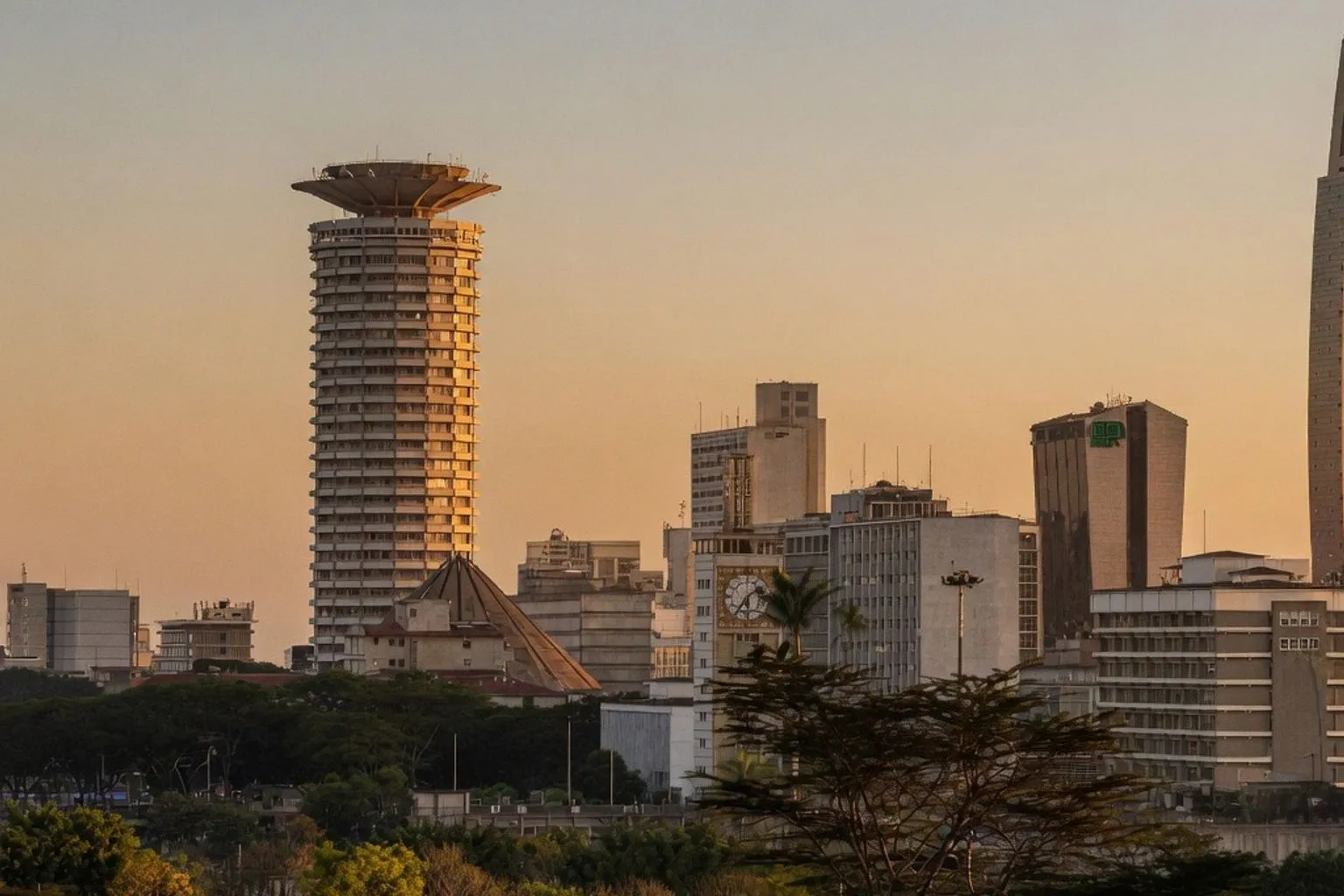
The Finance Fault Line: From Bonn to Nairobi
The UNFCCC subsidiary bodies (SB64) talks in Germany exposed the deep structural divide between developed and developing countries. Developing nations, represented by blocs like the African Group, G77, and China, pushed to integrate the COP30 target of tripling adaptation finance by 2035 into the Global Goal on Adaptation framework. Wealthy nations, however, leveraged their economic dominance to stall progress, refusing to define baselines, contributors, or binding financial mechanisms.
This austerity-driven delay directly threatens municipal survival in the Global South, where adaptation projects rely heavily on public, grant-based funding rather than the speculative private investments favored by Northern capital.
Material Realities on the Ground
The urgency of the Nairobi summit is written into the city’s geography. Just months ago, devastating March floods displaced over 35,000 people across Kenya, exposing the structural vulnerability of Nairobi’s drainage and housing infrastructure. As UN-Habitat and the Global Covenant of Mayors for Climate and Energy (GCoM) convene over 1,000 mayors, scientists, and policymakers, the focus must shift from abstract global carbon markets to the immediate material conditions of expanding municipalities.
The projected tripling of Africa's urban population requires massive infrastructure and housing expansion, a task made nearly impossible when international financial architectures restrict access to necessary capital.
Dismantling the Academic-Policy Divide
A key battleground at the conference is the review of the IPCC Special Report on Climate Change and Cities (SRCities). Historically, a profound disconnect has existed between the academic models generated in Western institutions and the practical, cash-strapped realities of a municipal planner in Kisumu or Dakar.
Translating high-level international treaties into actionable local bylaws and zoning regulations requires structural support, not just research papers. We must track whether this summit will yield concrete mechanisms to bypass Global North gatekeeping, or if it will remain another venue where local governments are left to manage systemic crises with empty coffers.