Environmental Defenders Remain Among World's Most Targeted Activists
358 human rights defenders were killed in 2025. Eighty-four of them died for protecting land and the environment — the single largest driver of targeted assassination worldwide, according to Front Line Defenders' latest annual report.
Harrison Lockwood, Lead Columnist on Systemic Justice & Climate Action·updated June 28, 2026
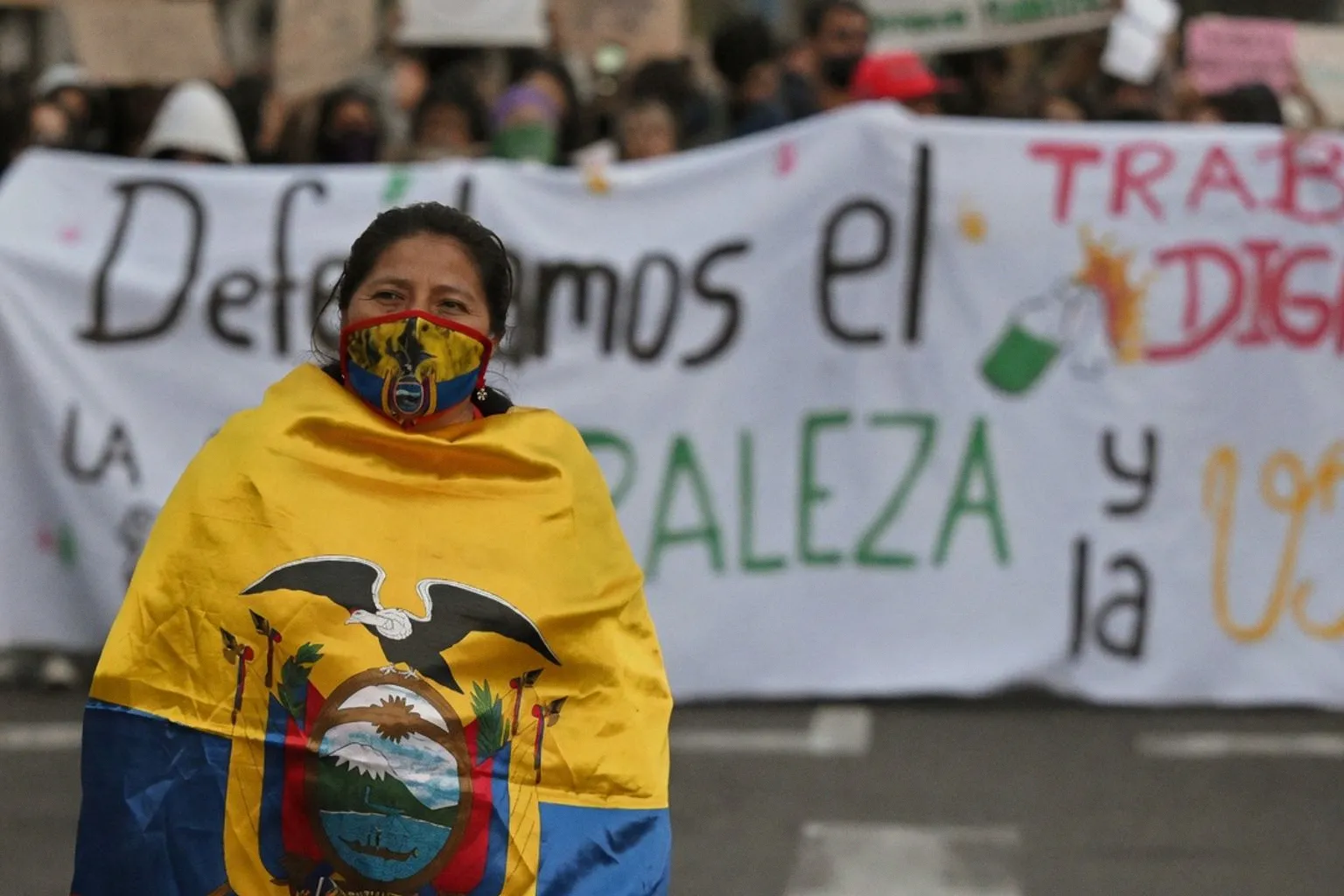
The machinery of suppression
The report identifies something that activists on the ground have known for years: the threat doesn't come from a single actor. It comes from a layered architecture of violence — state officials, corporate interests, and criminal networks operating in coordination. Governments criminalize protest, corporations bankroll paramilitaries or corrupt local enforcement, and cartels and land-grabbing syndicates finish the job. The killing of defenders in Brazil, Colombia, Mexico, the Philippines, Honduras, and a dozen other countries isn't random. It's systemic output — the predictable cost of an economic model that prices standing timber, mineral deposits, and carbon offsets higher than the lives of those who guard them.
This is the material reality behind every glossy corporate ESG report. Every "sustainable" supply chain that traces back to contested land carries this violence in its margins. The Front Line Defenders data doesn't exist in isolation; it's the human ledger on the other side of the balance sheet.
Imenti Forest: a case study in judicial defiance
While the global report was being released, a Kenyan courtroom became a live-fire demonstration of exactly what it describes. Activist Francis Awino filed urgent contempt of court proceedings in Meru Environment and Land Court against two senior government officials — Gitonga Mugambi, Permanent Secretary in the State Department for Forestry, and Alex Lemarkoko, Chief Conservator of Forests and CEO of the Kenya Forest Service. The charge: defying judicial orders protecting Imenti Forest.
Justice Oguttu Mboya issued conservatory orders on June 10, 2026, directing all parties to maintain the status quo in the protected water catchment. Mechanized clearing near Kithoka Primary School allegedly commenced days later. The target: 100 acres of gazetted forest slated for a State Lodge, an airstrip, and a luxury golf course. These aren't speculative developments — they trace back to executive campaign pledges for the Meru region, the same playbook that converts public ecological infrastructure into private political capital.
Imenti Forest isn't a patch of scenic woodland. It's a primary water catchment serving agricultural communities across Meru County and feeding river systems downstream. The Green Belt Movement has mobilized against the excision, arguing it sets a precedent for privatizing protected biomes across Kenya. For international carbon offset markets — where investors in the US and EU trade on Kenyan forestry credits — state-sanctioned deforestation in a gazetted forest introduces direct compliance risk. The canopy loss doesn't just degrade local water tables; it devalues the carbon sequestration metrics that underpin the entire regional offset framework.
What this actually demands
The Front Line Defenders report calls for urgent international intervention. But intervention from whom? The same governments whose officials are complicit in ordering clearances? The same international financial institutions that incentivize "development" projects built on resource extraction? The pattern is consistent across every country in the dataset: formal legal protections exist on paper, courts issue orders, and executive power simply rolls over them when the economic stakes are high enough.
Awino's legal escalation in Kenya is instructive. He's not petitioning for policy reform or commissioning a study. He's asking a court to jail senior officials for contempt — to make the cost of defiance tangible and personal. That's the logic that the global defender protection framework needs to internalize. Protective mechanisms without enforcement teeth are just decorative legislation. The 84 environmental defenders killed in 2025 weren't failed by a lack of international declarations. They were failed by a system that makes their deaths economically rational for the actors ordering them.
We should be watching the Imenti case not because it's exceptional, but because it's ordinary — a precise microcosm of the global pattern the report documents. The question isn't whether environmental defenders are at risk. The question is whether anyone with power will bear a cost for putting them there.