Minister Muir announces the start of Year 1 payments under the Farming with Nature Transition Scheme
489 farm businesses in Northern Ireland are receiving their first payments from the state’s new nature scheme. The total pot: £2.7 million.
Harrison Lockwood, Lead Columnist on Systemic Justice & Climate Action·updated June 23, 2026
The Scheme: Hedgerows and Carbon on Paper
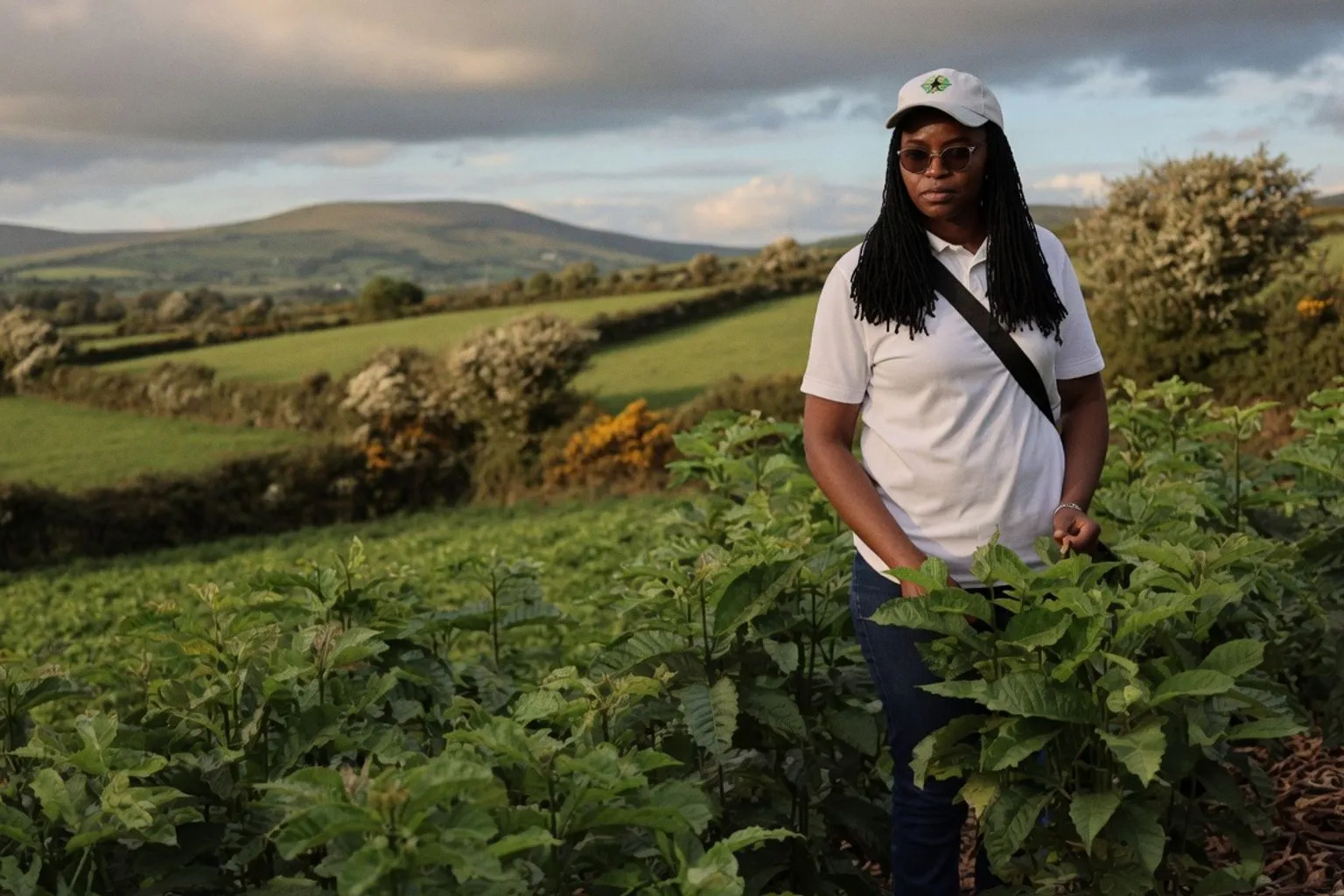
The Farming with Nature Transition Scheme is paying farmers for environmental actions completed by March 2026. The first year’s work, according to the department, includes planting 134 km of hedgerows, 28 acres of trees, and establishing over 35 km of riparian buffers. They tout this as improving water quality and increasing carbon sequestration. It’s a ledger of fixes—measured, compartmentalized, and paid for. The second year, opening June 30th, promises “enhanced flexibility” and “new actions shaped by stakeholder feedback.” The language is one of managed retreat, not systemic overhaul. They are paying to patch the wounds inflicted by industrial agriculture.
A Drop in the Reservoir
Let’s contextualize that £2.7 million. It’s a sum allocated to 489 participants—a selective group. This isn’t a broad-based transformation of farming economics; it’s a grant program. While this money helps individual farmers adopt mitigating practices, it operates entirely within the existing structure of land ownership and market pressures. It doesn’t address the power of agribusiness, the squeeze on small producers, or the fundamental logic of commodity-driven agriculture that degrades the soil in the first place. It’s environmental austerity, funding small-scale repairs while the structural drivers of the crisis remain untouched.
What We Must Demand
This scheme is a foothold, not a summit. The real test is whether it evolves into a lever for genuine material change. We must watch Year 2’s “enhanced flexibility.” Does it finally fund a just transition for farmers moving away from livestock? Does it challenge industrial consolidation? The funds for carbon sequestration and water buffers are necessary, but they cannot become a corporate offset scheme that lets the worst polluters continue business-as-usual. The state’s role shouldn’t be to merely administer a small damage-control fund. It must be to dismantle the extractive system and build one that prioritizes ecological health and food sovereignty over profit. This £2.7 million is the opening bid. The power dynamics it doesn’t confront are the real story.