Can an Art-Science Consortium Actually Save Coral Reefs from Collapse?
MSN is reportedly announcing the launch of a global art-science consortium dedicated to protecting coral reefs.
Harrison Lockwood, Lead Columnist on Systemic Justice & Climate Action·updated July 16, 2026
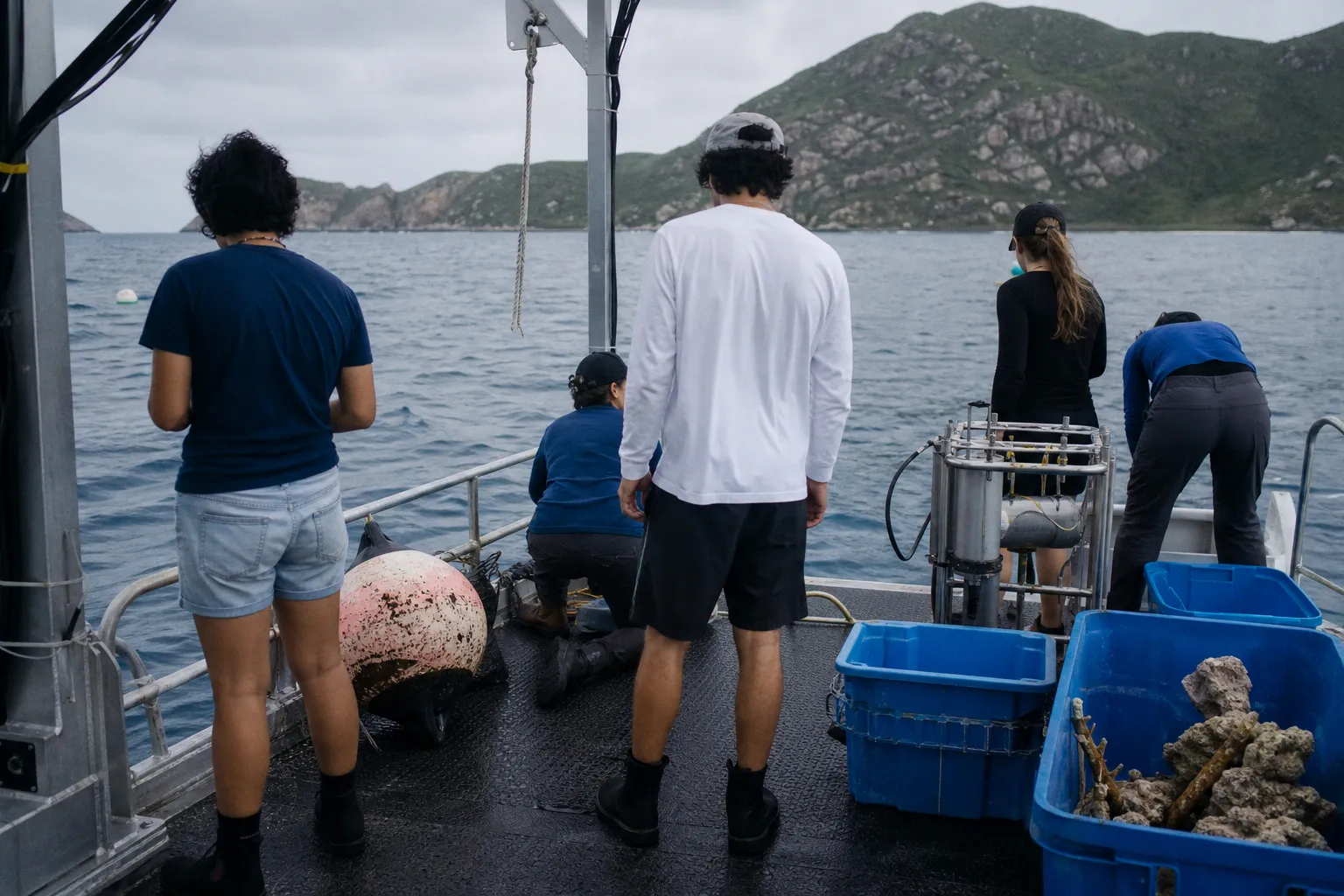
We’re told this is a collaborative effort, but in an era of escalating ecological breakdown, every such announcement must be scrutinized for its material weight. For a community fighting for a just planet, the only relevant question is whether this consortium will challenge the extractive systems killing the reefs, or provide another layer of attractive cover for them.
The Familiar Rhythm of Funding and Failure
This follows a well-worn pattern: a high-profile initiative emerges as ecosystems face irreversible collapse. The critical detail missing from the announcement is the source and condition of the consortium's funding. Will it leverage capital away from the fossil fuel subsidies that directly cause ocean warming and acidification? Or will it, like so many corporate-academic partnerships before it, operate as a closed loop of grants and prestige, leaving the physical drivers of reef destruction untouched? Real protection is measured in diverted billions and revoked permits, not in press releases.
Art as Distraction or as Hammer?
Art and science are vital, but only when yoked to structural change. If this consortium produces beautiful visualizations of bleached reefs while the political economy of extraction proceeds unimpeded, it becomes another form of aestheticized surrender. The science on coral decline is already settled and has been for decades; what’s absent is the political will to impose material consequences on the industries responsible. Any "art" from this project that doesn't start and end with that political reality is merely decorating a crime scene.
The true test of this initiative will be its relationship to power. Will it name the CEOs, the shareholders, the legislative blocs blocking climate action? Will its scientific arm publish data that specifically indicts specific petrochemical projects and water polluters? We don't need another consortium to tell us the reefs are dying. We need one willing to say who is killing them and exactly how much money they are making from it. Until then, we’ll be watching for the accounting ledgers, not the exhibition catalogues.