Global South leads energy transition, sustainable development
Forty power utilities from over twenty countries just signed onto a single initiative in Hong Kong. That is not a feel-good headline.
Harrison Lockwood, Lead Columnist on Systemic Justice & Climate Action·updated June 27, 2026
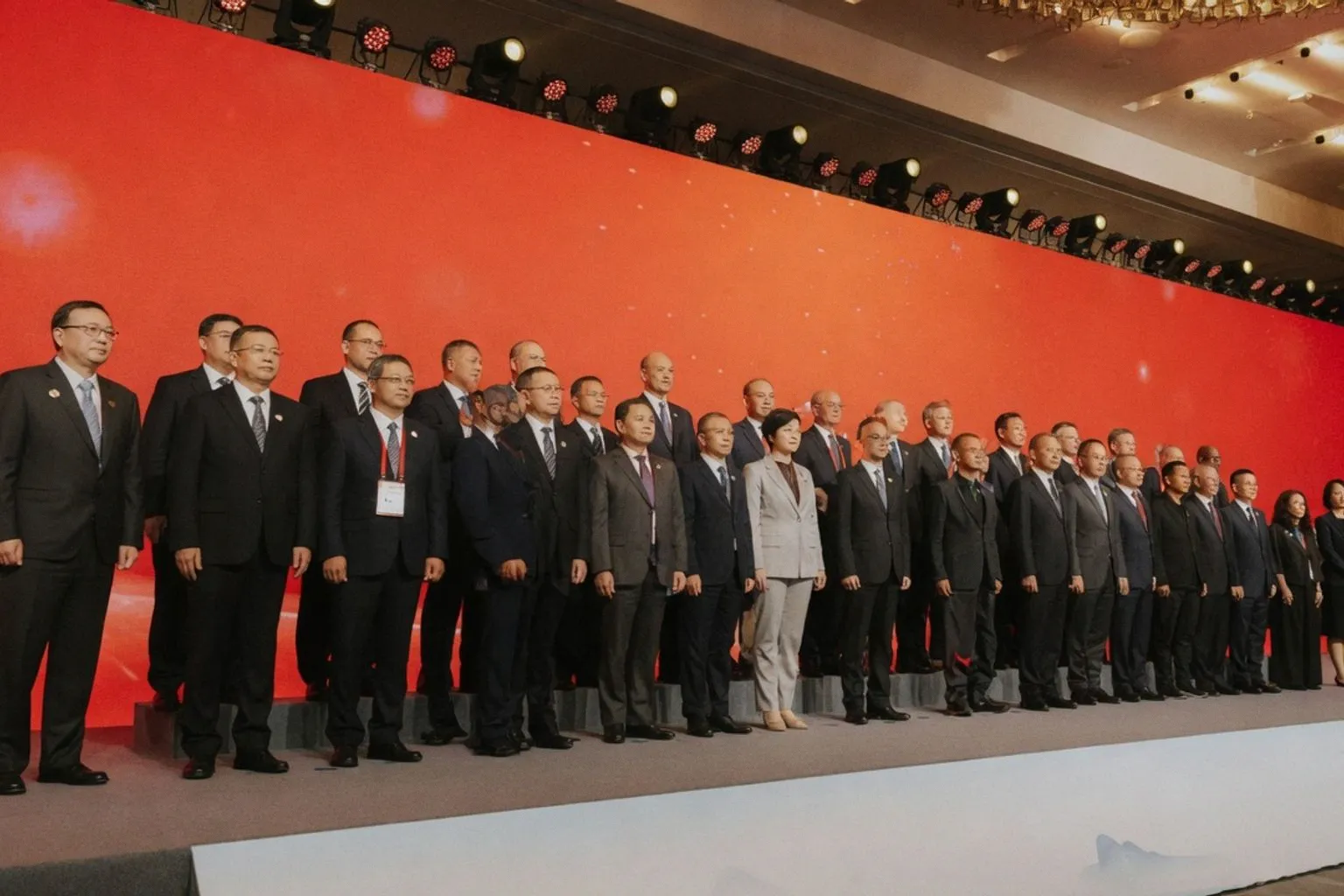
The forum, themed "Empowering the Global South and Creating a Shared Energy Future," brought together government departments, energy companies, international organizations, and financial institutions from more than twenty countries and regions, according to coverage of the event. CSG and roughly forty utility partners rolled out a cooperation and development initiative covering joint infrastructure, low-carbon technology adoption, green investment collaboration, and shared technical expertise. The stated goal: build power systems that are "safe, reliable, green, low-carbon, flexible and smart."
The Convenor Problem
Here is the part that demands honesty. The Global South's energy future is not being designed collectively — it is being shepherded by a Chinese state utility, with explicit backing from Beijing's National Energy Administration. Wei Xiaowei, the administration's director-general for international cooperation, pledged in a prerecorded video that China will "keep supporting Chinese power enterprises to deepen pragmatic cooperation with Global South partners." Translation: the contracts, the financing terms, the technology standards, and the grid architecture will travel through Chinese capital and Chinese procurement.
That is not inherently sinister. A multipolar energy order is preferable to one in which the United States and Europe dictate conditionality and lock poorer nations into fossil dependency through IMF loan structures. But a single state-owned giant serving as convenor for forty utilities across Asia, Africa, and Latin America concentrates leverage. The question is whether these partnerships operate as peer infrastructure — utilities co-designing their own grids — or as buyer-supplier arrangements in which Global South grids become long-term appendages of Chinese finance.
Why the South Is Moving
The context is overdue. The Global North spent three decades funding fossil infrastructure in developing economies through development banks and export credit agencies, then pivoted to climate finance that arrived with enough strings attached to strangle. Meanwhile, energy demand in Africa, South Asia, and Southeast Asia is rising on its own terms — not as a favor to the West's decarbonization plans. CSG Chairman Qian Chaoyang framed the partnership as a response to that material reality.
Angela Wilkinson, secretary general and CEO of the World Energy Council, put it more directly: "The Global South is not simply participating, it is helping to shape the world energy transition." She is correct, and that is worth saying plainly. The transition will be built where the demand is. Hong Kong's environment secretary Tse Chin-wan added useful data from his own jurisdiction: under twenty percent of electricity now comes from coal, roughly a quarter from nuclear imports from the mainland, and carbon emissions have fallen twenty-seven percent from their 2014 peak.
What to Watch
Three fault lines will determine whether this initiative is sovereignty or extraction in new packaging.
Financing terms. Are the loans concessional, or commercial export finance dressed in partnership language? The difference is whether countries end up with debt they control or debt they service indefinitely.
Technology transfer. The forum pledged "capacity building, technical exchanges and joint research." That phrase has a long history of meaning foreign consultants parachuting in. We will know it is real when local engineers are running the substations, not visiting them.
The renewables pipeline. Bioenergy — the focus of a parallel industry analysis tracking agricultural and forestry waste-to-power projects — is one of the few renewables that pairs with existing thermal infrastructure. It is also prone to land-use conflict. Watch whether the partnership treats biomass as a transition bridge for the communities producing the waste, or as a feedstock grab for export.
The reported Hormuz disruption is a reminder of why this conversation matters now. Energy systems built on imported hydrocarbons are policy choices, not natural facts. The Global South is finally building the alternative. Whether the architecture is liberation or a different cage depends on the contracts nobody is reading yet.