Green Assist: advancing sustainable livestock farming through AI-powered innovation
The European Union wants you to believe that the climate crisis in industrial livestock can be solved by fitting every cow with a digestive sensor and a machine-learning back-end.
Harrison Lockwood, Lead Columnist on Systemic Justice & Climate Action·updated June 24, 2026
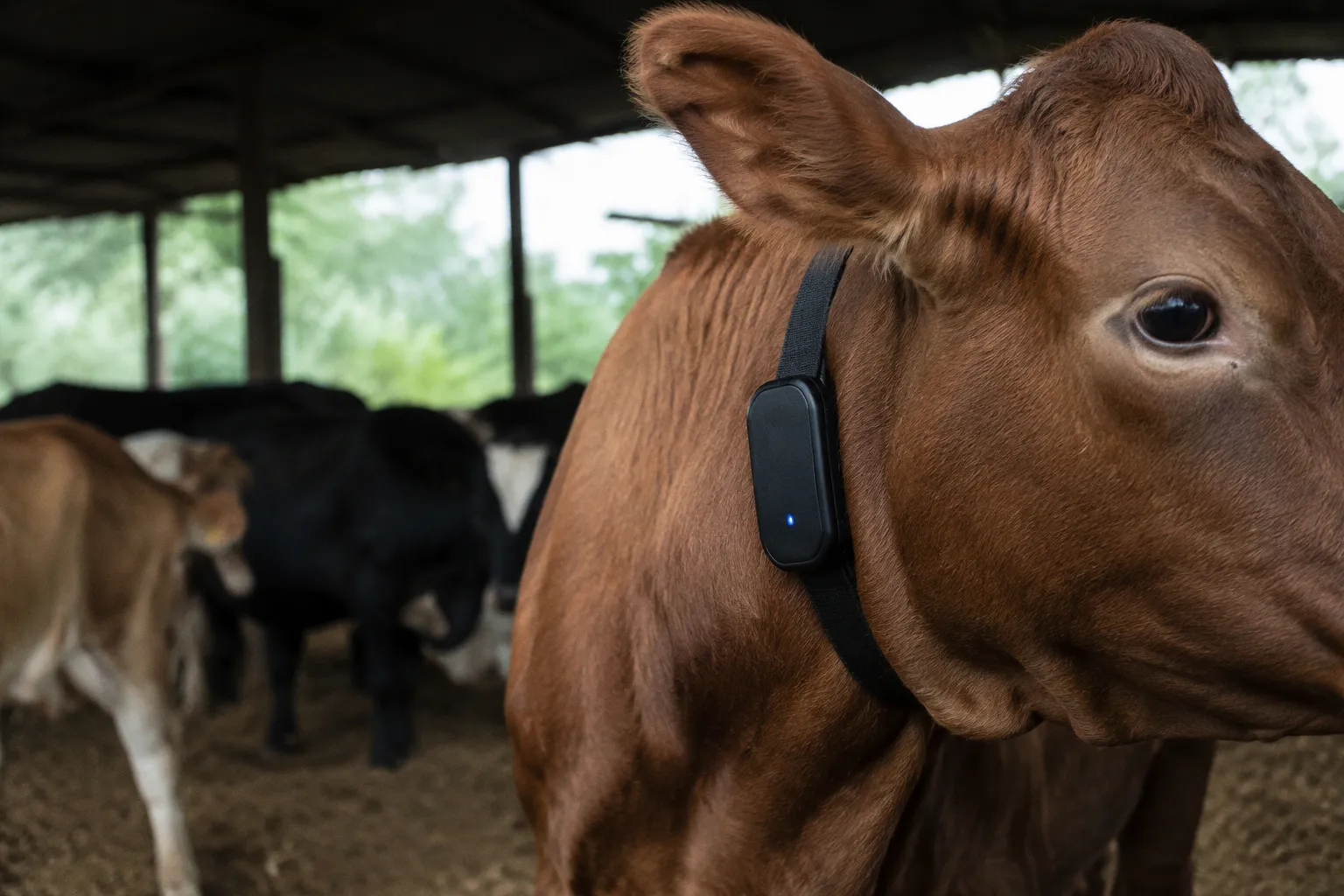
The numbers, parsed
RumenAI's own projections are aggressive: more than 10% gains in milk and meat yields, up to 50% fewer common metabolic disorders, methane monitoring accurate to more than 90%, and emissions reductions of up to 30%. Read generously, this is a productivity intervention wrapped in climate language. Read honestly, it is a productivity intervention. Higher yields per animal can mean fewer animals are needed to produce the same volume of output — that is the climate case. But the Green Assist announcement makes no commitment to herd reduction. It promises "more climate-smart livestock farming," a phrase engineered to preserve the asset base of the existing industry while appearing to confront its emissions.
The Sensing-as-a-Service question
RumenAI will operate a "Sensing as a Service" model — collecting, analysing, and interpreting biological data from individual cattle, then transforming it into "practical recommendations" for farmers. That structure inserts a private vendor into the loop between herd and producer. The advisory support Green Assist provided between June and October 2025 focused on two areas: financing strategy, including guidance on private equity and venture capital, and environmental validation, including life-cycle analysis. In other words, the Agency helped the company sharpen its pitch to investors and stress-test its sustainability credentials. Since then, RumenAI has been accepted into the ESA Business Incubation Centre NRW, secured €50,000 in funding, and joined the RWTH Incubation Program's Spring Batch '26.
What the public money is buying
European climate funding is being routed, through Green Assist, toward a technology that makes industrial livestock more legible and more efficient — not smaller. That is a political choice dressed as a technical one. The questions worth pressing are blunt: who owns the biological data extracted from these herds, who captures the value when yields rise, and whether any of this translates into fewer cattle on the land or simply more efficient extraction from the animals already there. If the answer is the latter, "sustainable livestock" is a rebrand — and the climate case for the technology collapses into a productivity case for the industry.