Online public hearing: Reforming climate governance in the light of recent international judicial decisions
The Conference of Parties has spent a decade producing communiqués while the planet burned.
Harrison Lockwood, Lead Columnist on Systemic Justice & Climate Action·updated June 25, 2026
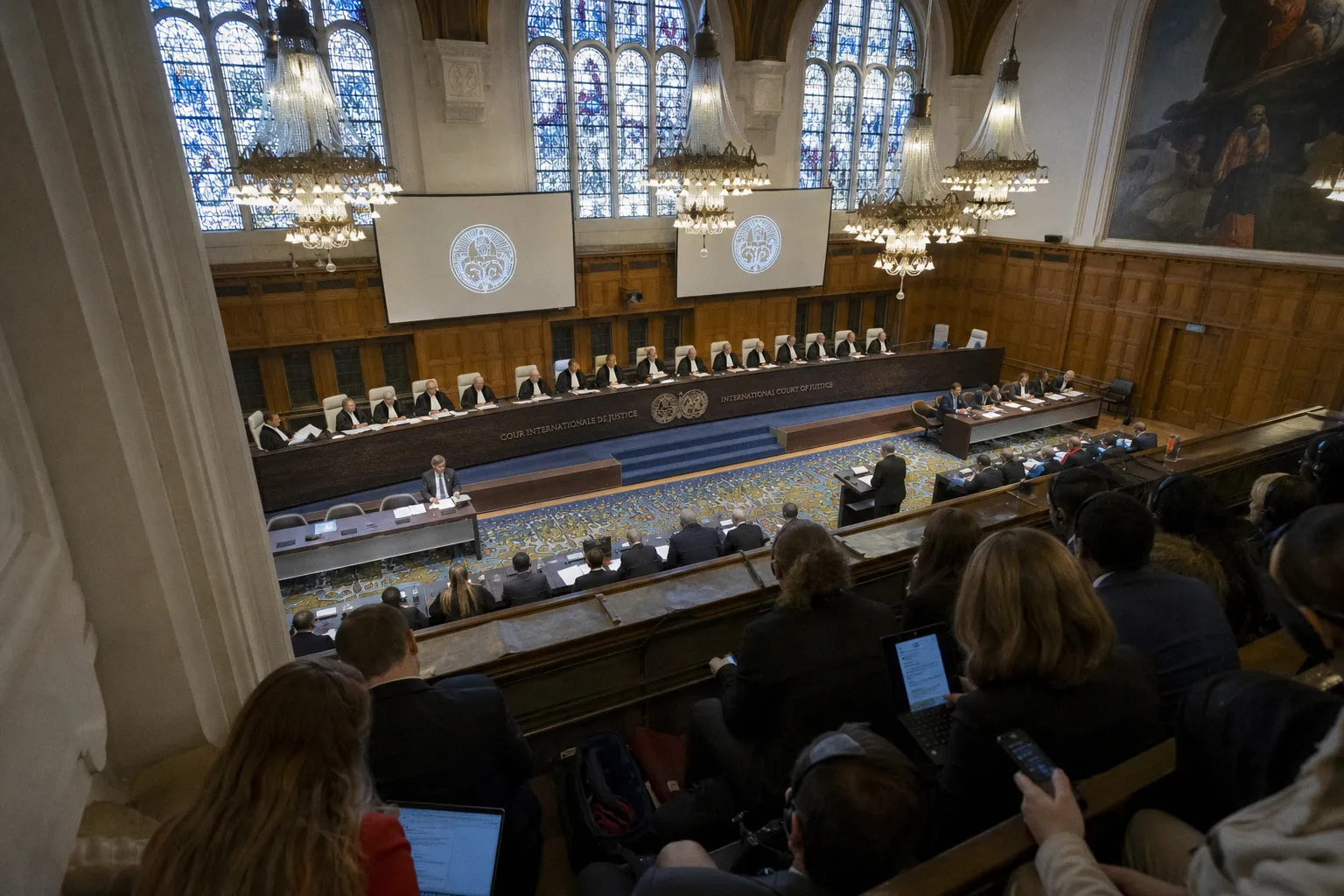
The hearing, titled "Reforming climate governance in the light of recent international judicial decisions," pulls together UN representatives, academics, businesses, trade unions, civil society groups, and youth leaders to debate two specific structural moves: ending the consensus rule that lets a single party block binding measures, and building formal mechanisms for civil society participation, transparency, and influence inside COPs. The output will be an EESC own-initiative opinion feeding into EU positions at upcoming climate negotiations.
The consensus trap
The EESC's own framing does not mince words. International climate negotiations under the COPs have become "increasingly difficult" in a "tense geopolitical context." That is diplomatic language for: the unanimity model has become a structural shield for fossil-fuel-aligned states and incumbents who prefer process to outcomes. Every binding target, every loss-and-damage mechanism, every phase-down commitment has been fought to a draw precisely because consensus gives every veto-holder leverage. Reforming that rule is not procedural housekeeping. It is the precondition for any enforcement that has teeth.
Courts as the new frontline
The second half of the reform agenda is the more interesting one. The EESC explicitly anchors the hearing to the maturation of international climate litigation. What began in the early 2010s as a domestic legal trend has produced, in recent years, rulings from international courts offering "ambitious and progressive interpretations of climate-protection obligations under the international climate treaties." Courts are now generating enforceable obligations that the COPs have refused to write. The structural significance is hard to overstate: when the negotiation room is captured, the courtroom becomes the legislative chamber. Litigation is doing the work that diplomacy has refused to do.
What this hearing will actually test
EESC opinions are consultative. The Commission and the Council are not bound to follow them. The question is whether the EU uses this opinion to push for procedural reform at the next COP — and to back civil society demands with material leverage — or files it and moves on. Watch for three things: whether the opinion explicitly endorses a shift away from the consensus rule, whether it cites specific international court rulings as pressure on member states to honor their obligations, and whether civil society and youth representatives are weighted equally with business voices in the final text. The session is video-recorded and broadcast live, with simultaneous interpretation in English, German, and Spanish. No registration required. If the eventual opinion names a court ruling and backs an alternative decision-making model, the governance debate shifts. If it produces another consultative nod, the consensus model has once again proven exactly who it was built to serve.