OR 2030 Sustainability Goals and the Economic Reality of Global Electrification Shifts Predicted by
A company called OR just unveiled its 2030 sustainability goals, wrapping them in the language of "inclusive growth for people, planet, and performance." The three Ps. The alliterative trinity.
Harrison Lockwood, Lead Columnist on Systemic Justice & Climate Action·updated June 25, 2026
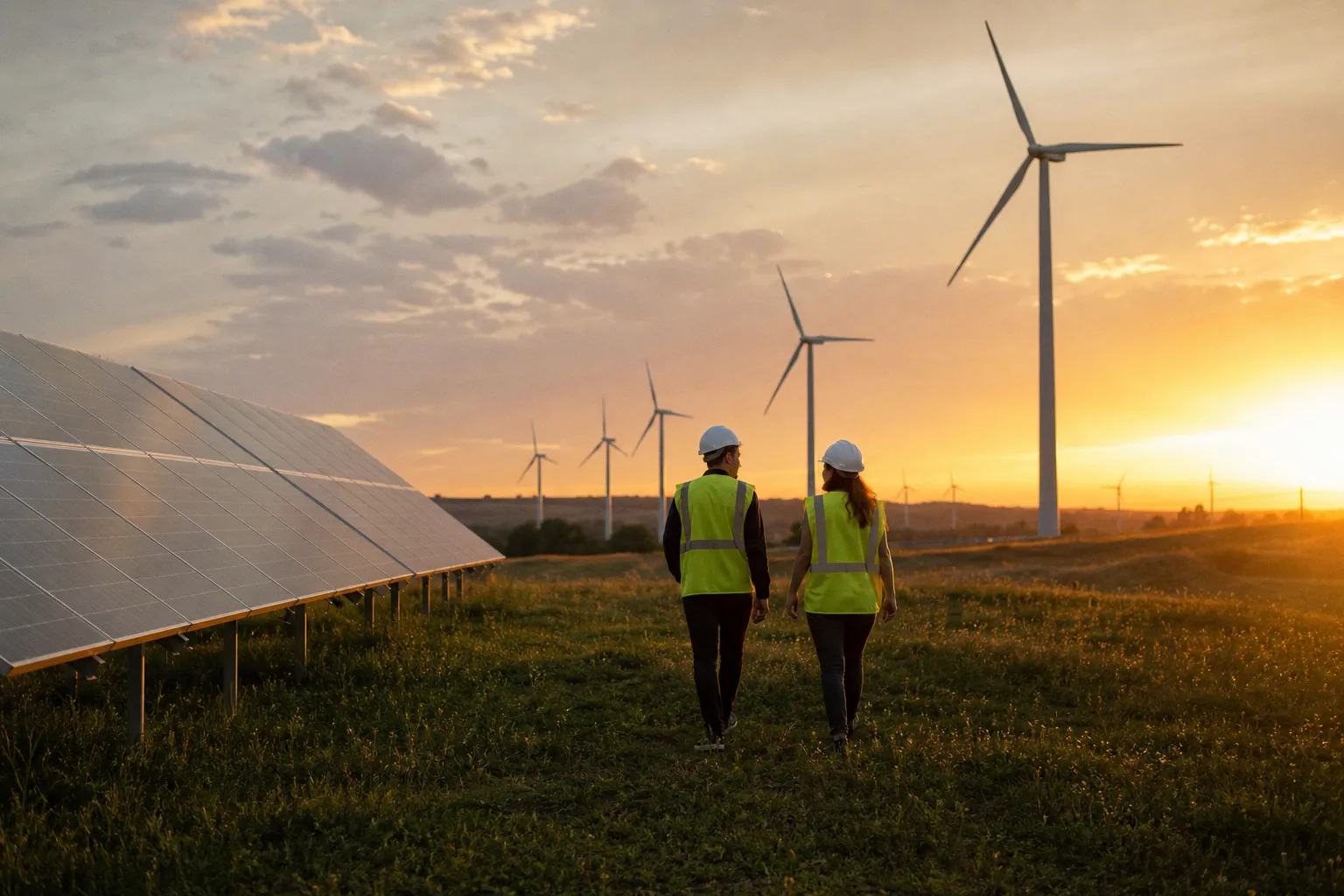
The backdrop these pledges won't name
The real story is what BloombergNEF's New Energy Outlook 2025 is actually telling us: electrification is no longer optional policy — it's economic gravity. In 2025, the EU and China were spending 2.3 to 2.7 per cent of GDP on fossil-fuel imports. Vietnam, Japan, India, and Indonesia? Between 3 and 6 per cent. That's not an environmental abstract — it's wealth extraction in real time, capital flowing out of national economies into hydrocarbon supply chains that offer no resilience in return.
"We are living through yet another crisis, but unlike previous decades, today countries have real options for response," said David Hostert, BloombergNEF's chief economist. Notice the framing: real options, deployed at scale and with speed, generally at lower system costs. That's not an aspirational pitch. That's a cost curve that already exists — and the firms still dragging their feet on transition aren't struggling with technology. They're struggling with sunk costs in extraction infrastructure and the political leverage that infrastructure buys.
Where the real demand is heading
BloombergNEF projects electricity will meet two-thirds of new energy demand in coming decades. Europe crosses the electrification tipping point by 2043, the US by 2047, India by 2041. Storage capacity is forecast to surge 17-fold by 2035 — from 225 GW to 3.8 TW. Data centres alone already consumed 1.9 per cent of global electricity in 2025; by 2050, that figure doubles to 3.6 per cent, driven by AI infrastructure.
This is the material context any serious 2030 targets need to answer to. Energy firms are calling for urgent reforms to grid and market structures, and bilateral deals like the India-Venezuela energy talks signal that countries are already hedging against supply disruption — not waiting for corporate sustainability roadmaps to materialise.
What to watch — and what to demand
OR's pledge lands in a landscape where the technology is proven, the economics have shifted, and the geopolitics are moving fast. The structural question isn't whether companies set goals — it's whether those goals survive contact with quarterly earnings pressure, lobbying budgets, and the deeply entrenched political economy of fossil-fuel dependency.
Read the fine print. Track the capital allocation. If 2030 targets don't come with measurable investment shifts — out of extraction, into electrification and storage — they're not strategy. They're reputation management.