Ten Australians Lodge Landmark UN Human Rights Case Over Fossil Fuel Expansion
Ten Australians have lodged a formal complaint with the UN Human Rights Committee in Geneva, accusing their federal government of violating the fundamental rights to life, health, and cultural…
Harrison Lockwood, Lead Columnist on Systemic Justice & Climate Action·updated June 28, 2026
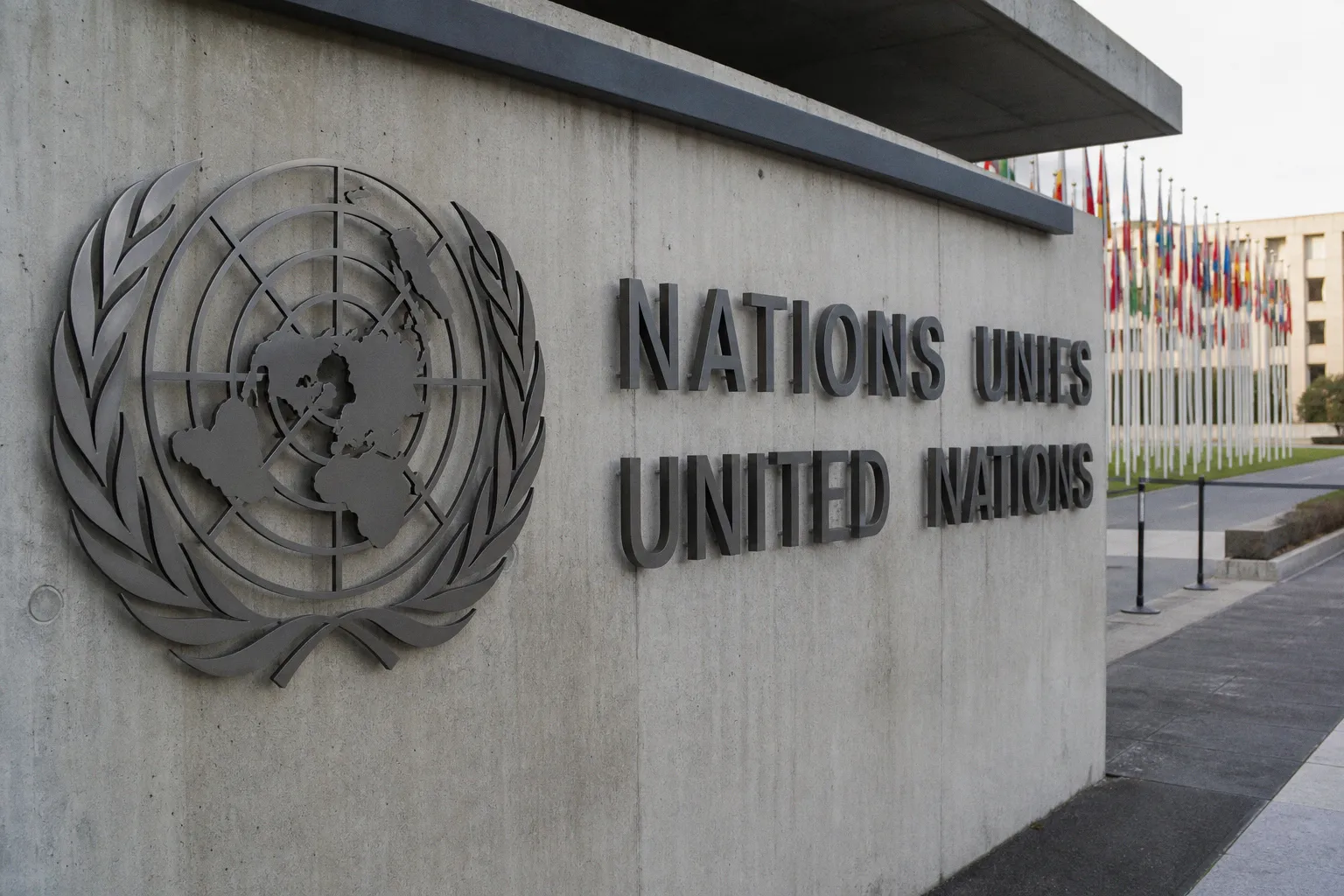
Ten Australians have lodged a formal complaint with the UN Human Rights Committee in Geneva, accusing their federal government of violating the fundamental rights to life, health, and cultural preservation by continuing to subsidise and aggressively expand the country's coal and liquefied natural gas industries. Filed in late June, the petition reframes state-backed fossil fuel expansion not as environmental policy but as a deliberate, knowing infliction of harm on citizens — a categorical shift that, if accepted by the Committee, detonates under every government still pretending extraction is a domestic policy choice.
Why Geneva, Not Canberra
The plaintiffs are not sentimental about their own courts. Australia's environmental injunctions have spent years slamming into legislative walls built specifically to shield the mining sector from accountability. So they routed around the wreckage. By invoking international treaties Australia has already signed, the petition bypasses a captured domestic forum and asks a body outside the country's lobbying orbit to treat state-subsidised carbon emissions as a direct human rights violation. The document meticulously connects escalating extreme weather — supercharged bushfires, lethal coastal flooding — to the material conditions of the ten named individuals, each chosen to illustrate that no Australian is geographically insulated from the harm. This is structural litigation, engineered to leverage every available pressure point that Canberra cannot unilaterally defund.
Standing on Torres Strait
The legal scaffolding is not improvised. The 2022 UN Human Rights Committee ruling in favour of the Torres Strait Islanders already found that Australia had failed to protect Indigenous islanders from climate-driven sea level rise and the destruction of ancestral homelands. The new case is deliberately built to widen that geography-specific victory into a universal mandate: that every citizen — whether they live on a sinking atoll or in a fire-prone Sydney suburb — suffers actionable human rights abuse under continued state-sponsored fossil fuel expansion. The argument is that if the Committee recognised the rights of low-lying Indigenous communities, it cannot logically deny the same protections to everyone else breathing the same heated atmosphere. That is the architecture. That is the threat.
A Courtroom War, Not a Climate Conference
Australians are not alone in this fight, and the filing makes no apology for joining a global pattern. The Dutch Urgenda ruling legally compelled the Netherlands to slash emissions; similar constitutional challenges are grinding through courts in South Africa and across Latin America. Citizens locked out of paralysed or captured legislatures are converging on the one institution that still moves on climate — the judiciary. Watch who intervenes in Geneva. Watch what Canberra argues in defence. Every line of their response will be a confession: an admission of what they knew, precisely when they knew it, and exactly what they chose to fund instead.