Views on LGBTQ Rights Under the Second Trump Administration
PRRI’s latest analysis lands with a blunt number: 71% of Americans say transgender people deserve the same rights and protections as everyone else.
Harrison Lockwood, Lead Columnist on Systemic Justice & Climate Action·updated June 29, 2026
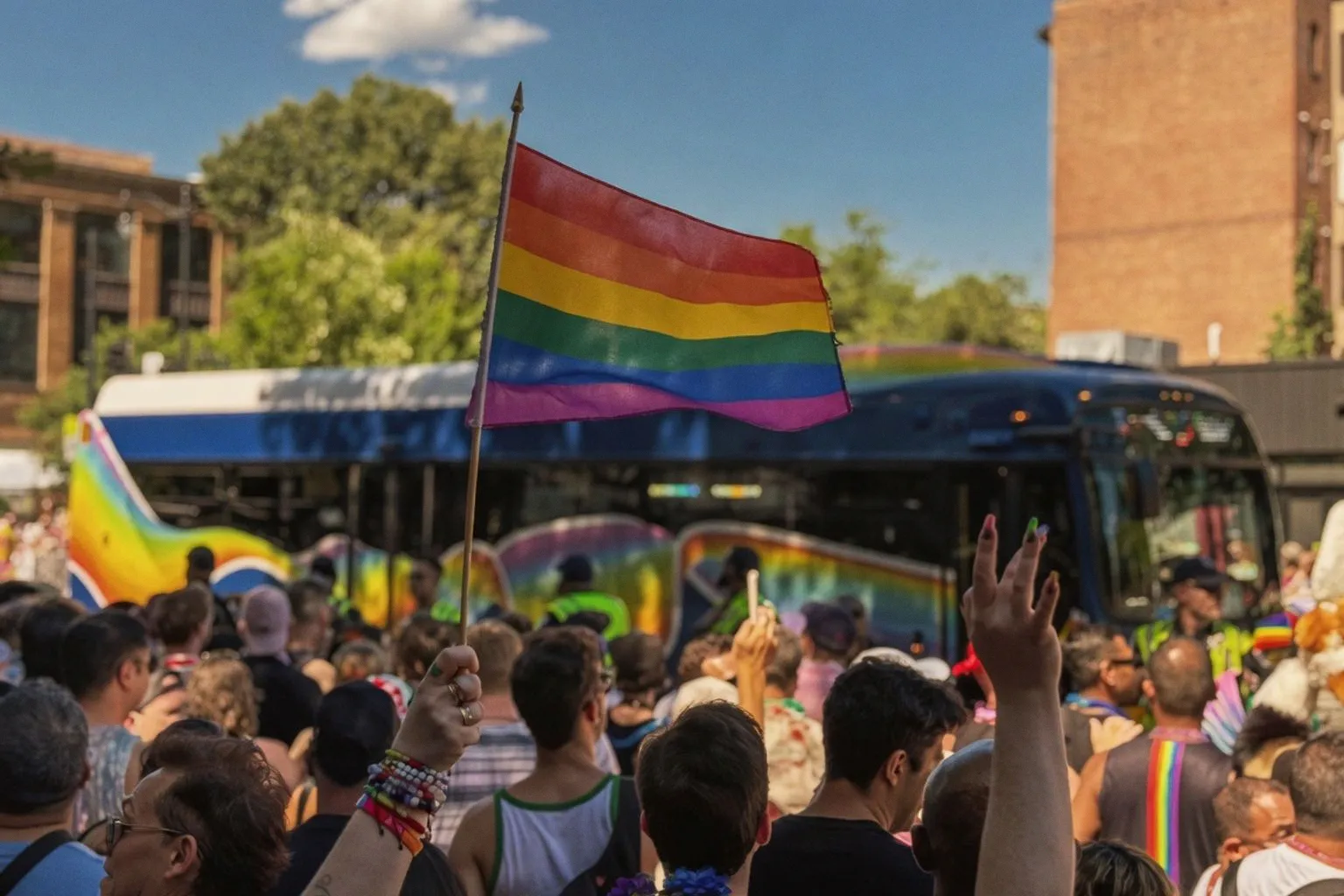
The administration is turning culture-war language into policy
According to PRRI’s analysis, LGBTQ people face a wave of anti-LGBTQ executive orders in President Donald Trump’s second term. The administration has framed its agenda as an effort to “restore biological truth to the federal government,” a phrase doing a great deal of ideological work: it converts a political project into a claim of administrative neutrality.
The specific targets are not vague. PRRI cites actions aimed at transgender women athletes, with the administration misgendering them and pressing sports associations to “keep men out of women’s sports.” It also points to a ban on transgender people serving in the armed forces, the end of federal pronoun self-identification practices, and a call to end federal funds for gender-affirming care for Americans under 19.
This is how rights contraction often works: not as one grand announcement, but as a series of bureaucratic closures. A form disappears. A funding stream gets threatened. A category gets rewritten. A person’s legal and material standing narrows while officials insist they are merely restoring order.
The public is not where the backlash machine claims it is
PRRI’s 2025 American Values Atlas, conducted across 2025 after the administration’s anti-LGBTQ executive orders, shows a durable majority in favor of LGBTQ rights. Seventy-one percent of Americans agree transgender people deserve the same rights and protections as other Americans. That includes 88% of Democrats, 77% of independents, and 57% of Republicans.
The same pattern appears on nondiscrimination protections: 72% of Americans support laws protecting LGBTQ people from discrimination. Again, the support crosses party lines — 90% of Democrats, 76% of independents, and 56% of Republicans.
This matters because the right’s preferred story depends on manufacturing the impression of a popular revolt against LGBTQ equality. PRRI’s numbers complicate that story. They do not show unanimity. They do show that the governing assault sits to the right of the public, including much of its own partisan base. That is not democracy responding to voters; it is a faction using control of institutions to discipline the social order.
The religious terrain is contested, not monolithic
PRRI’s analysis also cuts through another lazy assumption: that religious America speaks with one voice against LGBTQ rights. It does not.
Support for LGBTQ nondiscrimination protections varies across religious groups and racial groups. PRRI reports that 71% of Christians of color support nondiscrimination laws for LGBTQ people, compared with 66% of white Christians. Among Christians of color, Hispanic Protestants show the lowest support at 59%, while support stands at 73% among Black Protestants and 77% among Hispanic Catholics.
Among white Christian groups, white evangelical Protestants are the least supportive, at 54%. That is about 20 points below white mainline or non-evangelical Protestants and white Catholics, both at 74%.
The political lesson is obvious and uncomfortable for anyone selling religion as a single conservative bloc. The fight is also happening inside churches, denominations, and faith networks. PRRI notes that leaders in groups such as the Fellowship of Affirming Ministries have denounced the administration’s orders through litigation and demonstrations. That matters because authoritarian policy thrives when opponents abandon contested institutions as already lost.
LGBTQ Nation, in a separate item, frames Trump’s “deals” as increasingly dangerous rather than artful. The available excerpt does not provide details, so we should not inflate it. But placed beside PRRI’s findings, the point is clear enough: transactional politics becomes especially dangerous when human rights are treated as bargaining chips.
What should readers watch now? Not just speeches. Watch executive orders, agency guidance, federal funding threats, court challenges, and the organizations doing the unglamorous work of resistance. The public consensus exists. The question is whether institutions will reflect it — or whether organized power will keep extracting rights from the people least able to absorb the loss.