Global Hunger Crisis: How Energy Shocks and Conflict Undermine Food Security
According to ABC News, the head of the International Fund for Agricultural Development warns that conflict and disruption in global energy markets could push millions more people into hunger.
Harrison Lockwood, Lead Columnist on Systemic Justice & Climate Action·updated July 27, 2026
The warning lands beside a UN food-security report showing only modest progress: more than 500 million people could still face chronic hunger by 2030. This is not a failure to grow food. It is a failure of power, price and political priorities.
Energy is part of the food system
IFAD President Alvaro Lario told the Associated Press that sustained shocks to shipping and energy supplies could leave an additional 9 million to 18 million people facing hunger. Fuel prices do not stay at the petrol station. They move through fertilizer production, irrigation pumps, harvesting equipment and transport to market—then arrive as a higher bill for food.
Small-scale farmers absorb this extraction first. Many depend on diesel to pump water, harvest crops and move goods. When energy costs rise, their margins disappear; when food prices rise, households already priced out of healthy diets lose more ground. The system then calls this a “market shock,” as if the market were weather rather than a structure built around volatile fuel and fragile supply chains.
The report’s central fact is brutal: global food production continues to rise, yet roughly one-third of people cannot afford a healthy diet. In low-income countries, Lario said, that share reaches about 77%. Availability without affordability is not food security. It is abundance fenced off by price.
Conflict compounds a crisis already engineered by inequality
Lario identified conflict as one of the largest obstacles to reducing hunger, linking war and geopolitical tension to disrupted shipping, energy supplies and agricultural inputs. Hunger, displacement and refugee flows expand together. None of that is mysterious: war destroys livelihoods while energy shocks make the basic work of growing and distributing food more expensive.
Africa is expected to carry the heaviest burden. The UN report projects that nearly 60% of the world’s chronically undernourished people could live on the continent by 2030; it has now overtaken Asia in the number of hungry people. That outcome should end the comforting fiction that hunger is a technical problem waiting for better yields.
It is a material distribution problem intensified by conflict, inflated input costs and an economic order that leaves farmers and low-income households exposed to every geopolitical rupture.
Adaptation cannot remain an afterthought
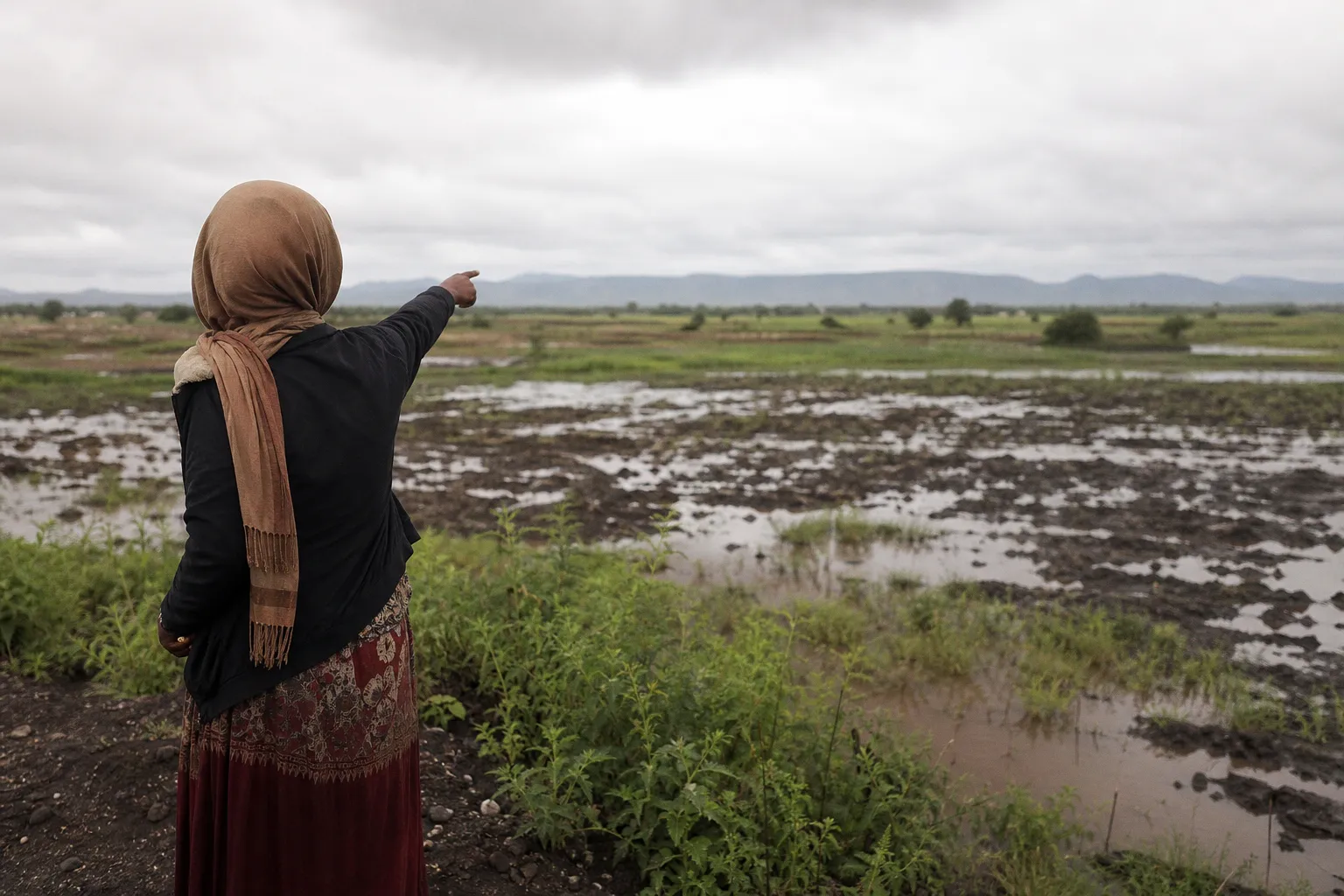
Climate disruption tightens the vice. Lario pointed to floods, expanding droughts and extreme heat as recurring pressures on agriculture and rural livelihoods, arguing that governments must fund resilience and adaptation before disasters strike rather than staging emergency responses afterward.
That means watching the connection policymakers often sever: energy policy, conflict policy, climate adaptation and food prices are one chain. When shipping routes become unstable or fuel costs spike, the consequences do not remain in boardrooms and commodity markets. They land in fields, kitchens and communities already carrying the least protection.
The relevant measure is not whether global output rises. It is whether people can afford to eat—and whether the farmers producing that food can survive the next drought, flood or fuel shock.