Global South Nations Unveil New Framework to Trade Sovereign Debt for Climate Action
Fifteen nations from the Global South just announced, at the Nairobi Summit, a coordinated mechanism to cancel sovereign debt in exchange for verifiable commitments to biodiversity conservation and…
Harrison Lockwood, Lead Columnist on Systemic Justice & Climate Action·updated July 24, 2026
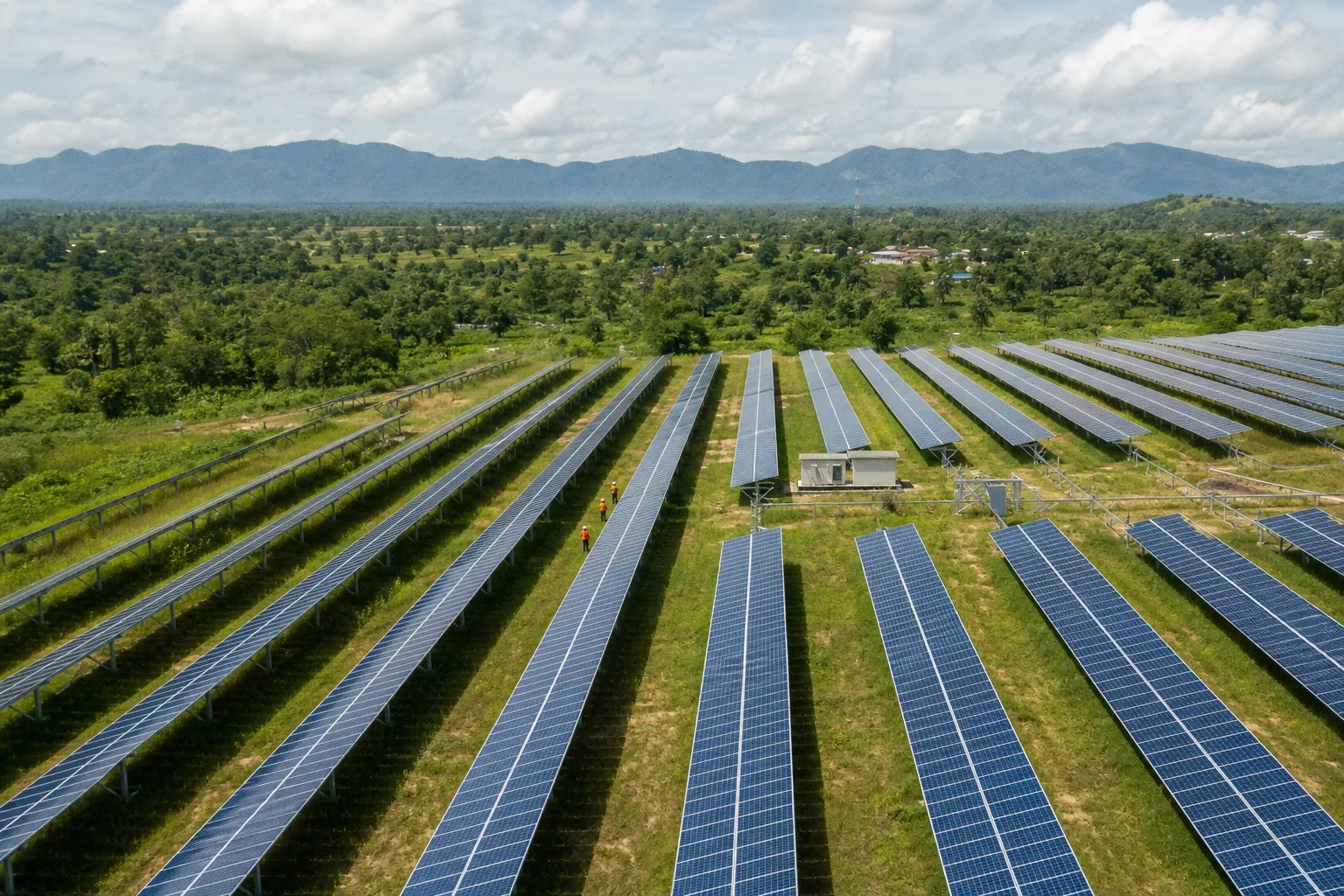
Fifteen nations from the Global South just announced, at the Nairobi Summit, a coordinated mechanism to cancel sovereign debt in exchange for verifiable commitments to biodiversity conservation and renewable energy expansion, according to Al Jazeera. This is not charity. This is a coalition of countries with the material conditions to demand structural leverage — rewriting the terms of financial extraction that have locked entire continents into austerity while their ecosystems fuel the Global North's consumption. Whether this framework holds depends entirely on who controls verification, and who defines what counts as "commitment."
The debt trap they're finally naming
For decades, sovereign debt has functioned as the primary instrument of neocolonial extraction. Countries rich in biodiversity, mineral wealth, and renewable energy potential have been forced to service loans at terms that strip their capacity to invest in their own populations or ecosystems. The structural logic is simple: lend, extract interest, demand austerity, repeat. "Green debt swaps" have existed before — and most of them collapsed into greenwashing exercises where creditor nations got cheap climate offsets while debtor nations saw no meaningful relief. The question now is whether a coalition-led framework, built from the debtor side rather than imposed from the creditor side, changes the power dynamics. Fifteen nations acting in coordination is not a petition. It's a bloc. That distinction matters.
What verification actually means
The confirmed details are thin: verifiable commitments to biodiversity conservation and renewable energy expansion. That phrase — "verifiable commitments" — is where this framework will either succeed or get swallowed by the same logic it claims to dismantle. Historically, verification has been wielded as a control mechanism: external auditors, multilateral institutions, and corporate consultants set the metrics, and debtor nations scramble to comply while sovereignty erodes. If this coalition retains control over what gets measured, how, and by whom, the framework has teeth. If verification becomes another instrument of leverage for creditor nations and multilateral lenders, it's just debt restructuring dressed in green language. The Nairobi announcement gives us the architecture. The implementation — who audits, who enforces, who benefits — will tell us if this is extraction rebranded or extraction interrupted.
Why this matters beyond the summit
We're watching the early architecture of climate debt justice take shape in real time, and the stakes are not abstract. Every dollar locked into debt servicing is a dollar not spent on adaptation, renewable infrastructure, or ecosystem protection in the countries least responsible for the climate crisis and most devastated by its consequences. The fact that this emerged as a coalition initiative rather than a top-down multilateral program signals a shift in who holds negotiating power. Fifteen nations coordinating demand rather than accepting terms individually — that's the structural move worth tracking. Whether creditor nations and institutions engage in good faith, or stall and dilute, will reveal whether "debt-for-climate" means anything beyond the press release.