Satellite Monitoring Exposes Methane Leaks, But Enforcement Remains the Real Challenge
According to UN News, the UN Environment Programme has launched an initiative, backed by Bloomberg Philanthropies, to help countries investigate and fix 80% of major methane leaks detected by satellite by 2030.
Harrison Lockwood, Lead Columnist on Systemic Justice & Climate Action·updated July 23, 2026
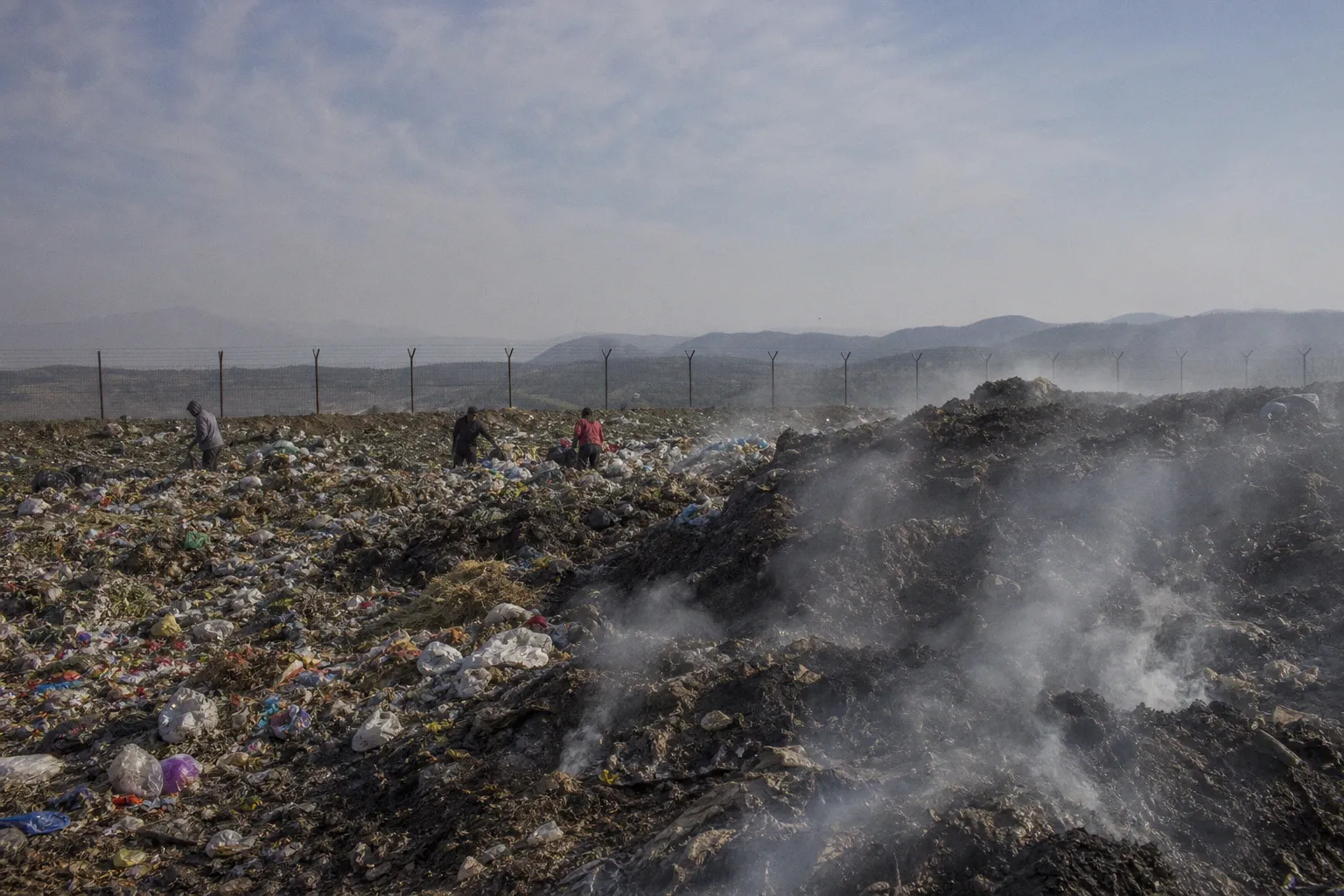
Methane drives around one-third of today’s global warming. The technology is not the breakthrough on its own; the test is whether governments force the companies and agencies responsible for the leaks to act.
For years, the political alibi has been convenience: emissions were hard to see, hard to attribute, hard to police. Satellite detection strips away part of that excuse. A major leak can now become a visible public fact rather than an invisible cost shifted onto everyone living with a destabilising climate.
Detection is not enforcement
UNEP’s stated goal matters because it joins monitoring to repair: countries are meant to investigate satellite-detected leaks and get them fixed, not merely add another dashboard to the climate-policy cemetery.
But the target itself reveals the material problem. We are not dealing with an absence of information. We are dealing with the power to delay, deny and avoid paying for repairs. A leak spotted from orbit still needs investigators on the ground, a responsible operator, public disclosure and an authority prepared to impose consequences when the operator stalls.
Without those links, satellite data can become another form of institutional theatre: precise evidence, weak obligations, no structural change. The atmosphere does not care whether methane came with an elegant interface or an annual sustainability statement.
Follow the accountability chain
Readers should watch what participating countries actually publish: which major leaks were identified, whether investigations began, whether repairs were completed, and whether the results can be independently checked. “Investigate” and “fix” are not interchangeable verbs, especially where extractive industries hold considerable leverage over regulators and public budgets.
The 2030 objective also creates a straightforward standard against which to judge the initiative. Not how many leaks were detected. Not how many meetings were convened. Whether 80% of the identified major leaks are genuinely repaired.
That distinction is central to climate politics. Measurement can expose a harm; only enforcement changes the conditions that produce it. The same question shadows debates about financial infrastructure and power — including what Aave’s Global Dollar Hub could unlock: who designs the system, who sets the rules, and who bears the risk when accountability fails?
A narrow but real opening
Methane’s share of current warming makes rapid leak repair an unusually concrete front in a crisis too often buried under distant targets. There is no need to wait for a new technology miracle if major leaks already appear in satellite data.
The political task is less glamorous and much harder: make the information public, resource the investigations, compel repairs and refuse the familiar austerity logic that treats enforcement as optional while treating climate damage as inevitable. Satellites can identify the problem. They cannot make powerful institutions stop looking away.