Why Public Recognition of Climate Change Is Not Yet Political Power
According to asatunews.co.id, American voters are linking extreme weather to the climate crisis.
Harrison Lockwood, Lead Columnist on Systemic Justice & Climate Action·updated July 19, 2026
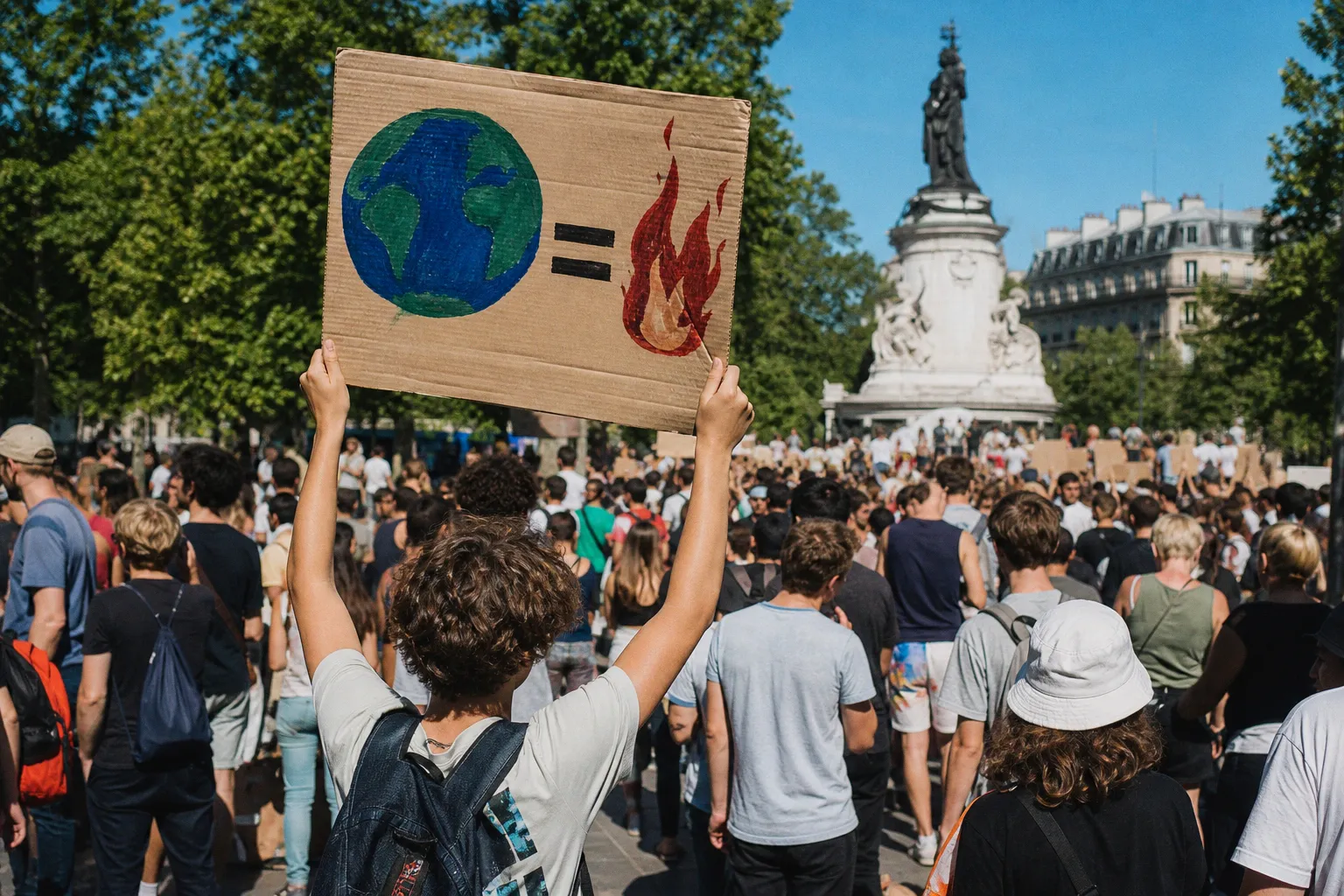
That is the entire confirmed claim available here—and its limits matter as much as its headline: the material provides no pollster, sample, methodology, question wording, figures, or account of what voters expect governments and corporations to do next.
A public that recognizes climate disruption is not yet a public with power over the institutions driving it. The crucial question is whether that recognition becomes leverage against extraction, or merely another finding that politicians acknowledge while approving the material conditions of disaster.
Recognition is not climate policy
“Voters link” is a political opening, not a result. Without the underlying evidence, we cannot responsibly infer how broad the view is, whether it crosses party lines, or whether people connect extreme weather to particular policy choices. We also cannot pretend a headline establishes public support for any specific response.
That restraint is not pedantry. Corporate and political actors routinely convert public concern into a permission slip for delay: acknowledge the crisis, announce ambition, preserve the machinery that produces it. They can absorb belief far more easily than they can absorb enforceable limits.
For readers, the practical task is simple: when polling claims circulate, demand the missing architecture. Who commissioned it? Who was surveyed? What was asked? Did it measure abstract concern, or support for concrete measures? If the evidence cannot answer those questions, its usefulness ends at the headline.
The funding question does not disappear
A separate report from EnviroNews Nigeria describes SRADeV Nigeria’s call for renewed financial commitments, institutional support, and faster implementation of the Kigali Amendment. It places that demand in the context of the Montreal Protocol, the global agreement designed to phase out ozone-depleting substances, and notes that countries face implementation pressures amid economic uncertainty, energy-market volatility, fiscal pressure, and intensifying climate impacts.
The report also identifies a material divide often scrubbed from climate rhetoric: countries facing complex obligations need financial and technical support to meet them. That is not a side issue. A climate agenda built on targets without resources simply transfers the burden downward—to governments with constrained capacity and to communities already living through the consequences.
What to watch beyond the headline
The next meaningful evidence will not be another declaration that people see what is happening around them. It will be whether institutions publish usable data, whether finance follows international commitments, and whether climate policy confronts power rather than managing its public-relations problem.
We should refuse the familiar bargain: the public supplies alarm; the powerful supply speeches. Recognition has value only when it compels redistribution of resources, enforceable obligations, and accountability for those who have treated a livable planet as expendable.