Jackson Transit Workers Strike Over Wages and Mandatory Overtime
According to the Mississippi Free Press, JTRAN workers represented by Amalgamated Transit Union Local 1208 have gone on strike in Jackson, Mississippi, demanding higher pay, stronger sick-leave…
Harrison Lockwood, Lead Columnist on Systemic Justice & Climate Action·updated July 20, 2026
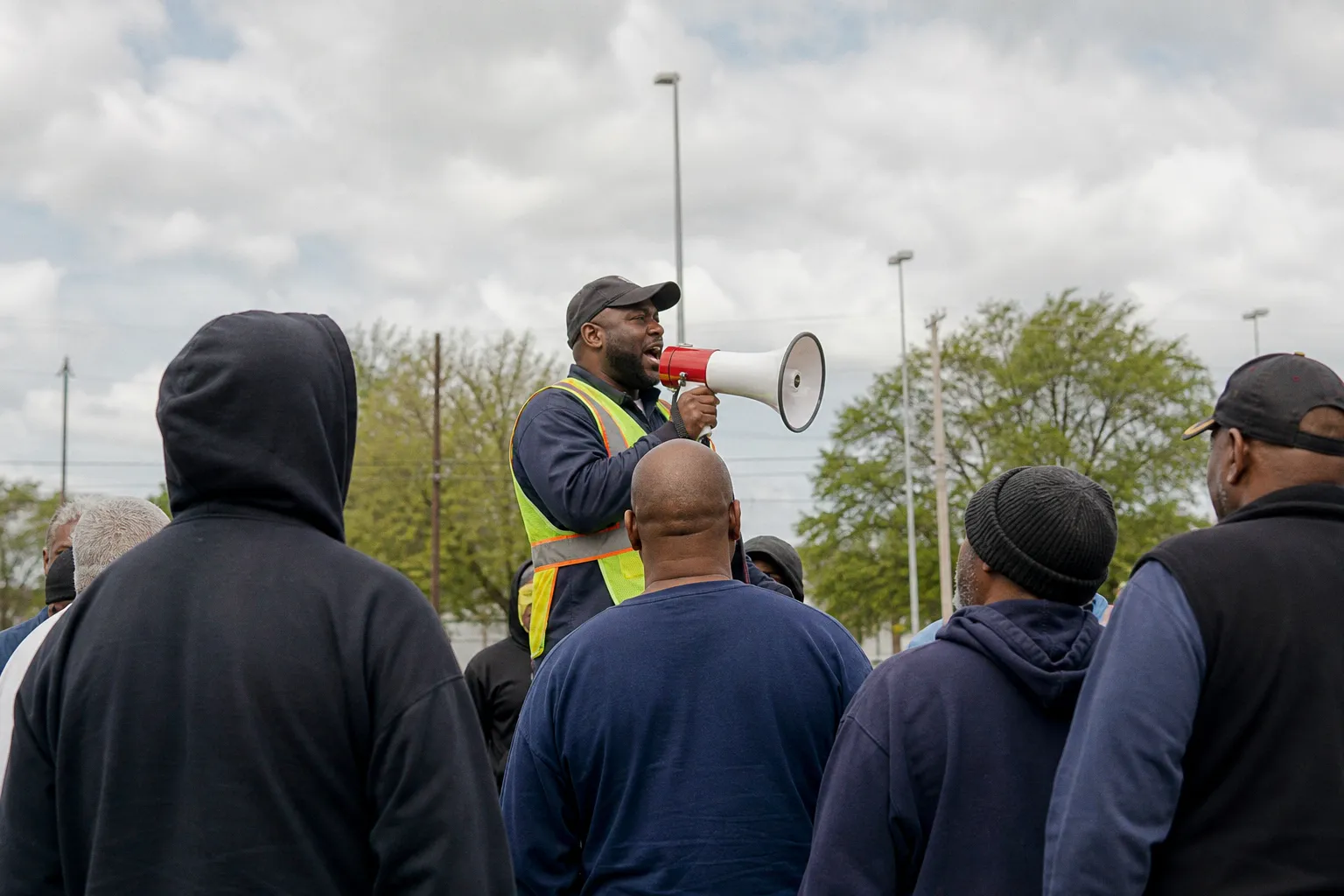
According to the Mississippi Free Press, JTRAN workers represented by Amalgamated Transit Union Local 1208 have gone on strike in Jackson, Mississippi, demanding higher pay, stronger sick-leave protections and an end to mandatory overtime. These are not decorative bargaining points. They describe the material conditions of the people expected to keep a public transit system running.
The dispute follows a breakdown in negotiations with MV Transportation, JTRAN’s contractor. MV says it wants to raise pay, but that it would need to alter the current route schedule to fund those increases. That formulation deserves scrutiny: workers are being asked to accept that dignified wages depend on cutting or reshaping the service their city relies on.
A contractor’s arithmetic, workers’ lives
Mandatory overtime and inadequate sick leave are not separate workplace annoyances. Together, they shift the cost of staffing a transit system onto the bodies and time of its workforce.
When a contractor frames raises as affordable only through schedule changes, it identifies a budget constraint without explaining who created it or why workers must absorb it. Public transit cannot function on goodwill, exhaustion and the permanent availability of drivers and other frontline staff. Yet that is precisely the extraction model implied by a system that leans on compulsory extra hours while bargaining over the basic right to recover from illness.
The workers’ demands make the conflict plain: pay must rise, sick leave must be protected, and mandatory overtime must end. There is no mystery in that agenda. It is a refusal to treat labor as the elastic line item that stretches whenever public infrastructure is underfunded or contracted out.
Transit riders have a stake in the settlement
The usual effort in disputes like this is to pit riders against workers: any disruption becomes evidence that workers have asked too much. But the conditions workers are contesting also shape the transit service riders receive.
A route schedule is not an abstract spreadsheet. It determines whether people can reach work, school, appointments and family obligations. And a workforce pushed into mandatory overtime cannot be separated from the service system it operates. The contractor’s proposal, as reported, puts schedule changes at the center of its case for paying workers more. That is exactly the leverage point the public should follow.
We should ask what changes are proposed, who would lose access if routes are modified, and why a company running public transportation has made wage increases appear conditional on reducing or restructuring service. Those are not secondary details. They reveal where power sits in a contractor-run system.
This is part of a wider public-sector wage fight
Jackson’s strike is not occurring in isolation. In Washington state, the Spokesman-Review reports that the Washington Federation of State Employees—representing more than 50,000 public-sector workers—has announced plans for an August 31 walkout after state negotiators offered no wage increases in contract talks.
The disputes involve different employers and places, but the pattern is hard to miss: workers who sustain public systems are being pressed to defend the premise that their labor deserves a wage increase and workable protections at all. Management calls this bargaining. Workers are showing us the underlying question: who bears the cost when public services are treated as obligations, but the people delivering them are treated as expendable?
For JTRAN riders and Jackson residents, the immediate task is to watch the negotiations beyond the strike images. Pay, sick leave, overtime and route schedules belong in the same frame. Separating them is how the institutions with the most leverage keep the public arguing over symptoms instead of the structure producing them.